New Atlanta event features art and performances by Jews of color
Inaugural Jewish Diversity of Arts Showcase takes places Sunday at the Breman Museum
Graphic by Angelie Zaslavsky
By TaRessa Stovall November 11, 2022
The Atlanta Jews of Color Council is ready to make history in the South.
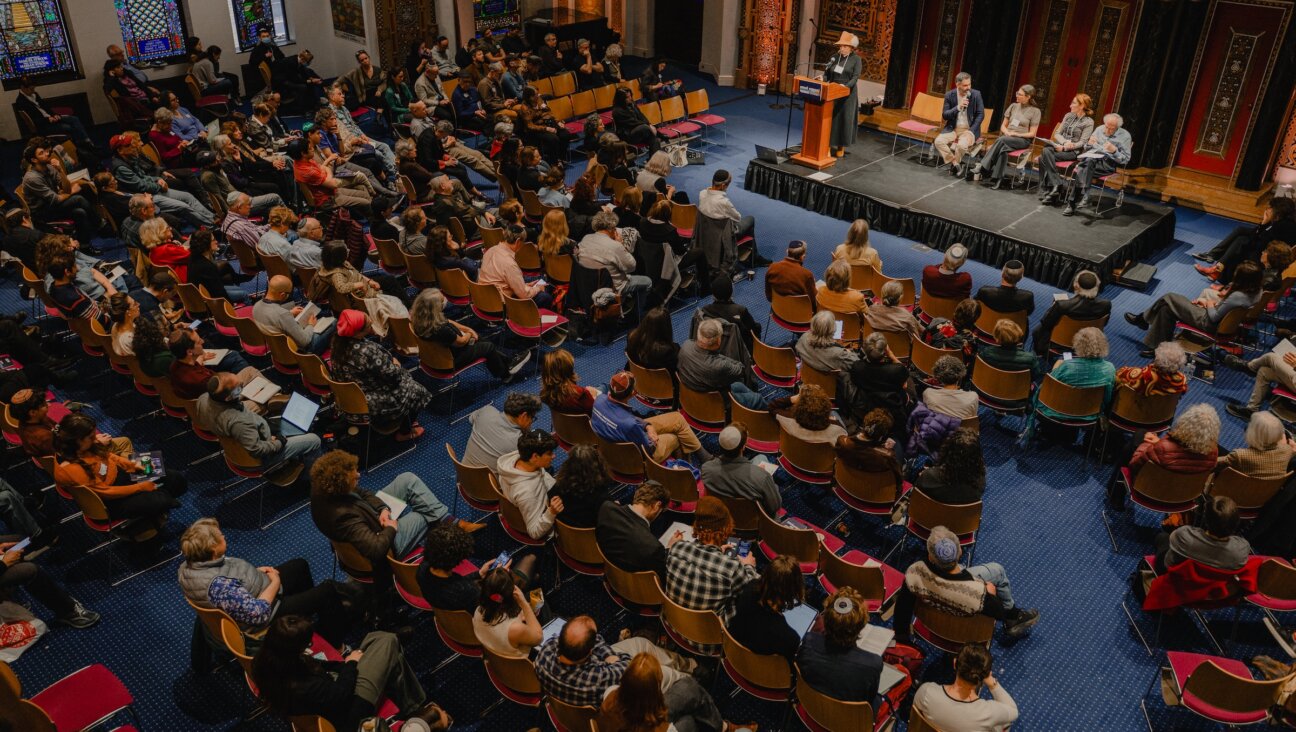
The council’s inaugural Jewish Diversity of Arts Showcase will celebrate diversity, creativity and mental health. The free event, scheduled for Sunday, Nov. 13, in Atlanta’s Breman Museum, features work from Jews of color and other artists from marginalized communities.
“While we’ll specifically illuminate the experiences of Jews of color, we’ll also examine the intersection of marginalized identities by incorporating artists with disabilities and artists from the LGBTQ community,” said Victoria Raggs, co-executive director of AJOCC. “Our collective future depends on everyone in our community having an equitable opportunity for health, well-being, and economic vitality.”
The showcase will uplift Jews of color voices, experiences and stories and celebrate the multiplicity of Jewish identities through live music, visual arts and a roundtable discussion. Participants will include Yiddish performer Anthony Mordechai Tzvi Russell, visual artist Ayeola Omolara Kapan, Turkish percussionist Emrah Kotan, Brazilian guitarist Yehoshua HaLevi, who will sing in Portuguese and Ladino, and rap artist Shem Levi.
A ‘Black Jewish aesthetic’
“The creative and cultural contributions of Jews of color don’t receive enough attention,” said Russell. He’ll share a film, a reading and a musical performance, which he described as “my ongoing project of establishing for myself and delineating a Black Jewish aesthetic that has in its contents historical and cultural affinities and touchstones from the respective histories of Black and Jewish people — specifically, in my case, Ashkenazi people.”
Kapan, who describes herself as an abolitionist, artist and healer, says her art is a spiritual and political medium. “The fact that this showcase is centering art by Jews of color is very unique and necessary in this time. Being a Black Jew impacts my art — I’m really familiar with what it’s like to be completely unseen and to not have your experiences depicted, considered, or talked about. In my art I try to amplify other marginalized identities as well as other aspects of myself — being neurodivergent, being queer. I feel like these things can add a lot to conversations about how we can improve our world.”
After the performances, a panel of local artists, mental health experts and racial justice advocates will discuss mental health and intersectionality of the Jewish faith. Along with artists Kapan and Russell, panelists will include Laura Cummings Balgari, a nurse and director of the Atlanta Indigenous Peoples Association; visual artist Barbara Nesin; therapist La’Mar Walker and psychologist Stephanie Haft.
“Creativity contributes to having a sense of identity — knowing who you are and where you come from to honor and express your culture, along with having a strong spiritual understanding and upliftment to connect with physical and mental wellness,” said Walker. “It’s all connected and contributes to a sense of balance.”
The Jewish Diversity of Arts Showcase takes place 3 p.m.-6 p.m., Nov. 13. Registration is required but tickets are free.
This is a moment of great uncertainty. Here’s what you can do about it.
We hope you appreciated this article. Before you go, we’d like to ask you to please support the Forward’s independent Jewish news this Passover.
This is a moment of great uncertainty for the news media, for the Jewish people, and for our sacred democracy. It is a time of confusion and declining trust in public institutions. An era in which we need humans to report facts, conduct investigations that hold power to account, tell stories that matter and share honest discourse on all that divides us.
With no paywall or subscriptions, the Forward is entirely supported by readers like you. Every dollar you give this Passover is invested in the future of the Forward — and telling the American Jewish story fully and fairly.
The Forward doesn’t rely on funding from institutions like governments or your local Jewish federation. There are thousands of readers like you who give us $18 or $36 or $100 each month or year.
Support our mission to tell the Jewish story fully and fairly.