She thought she knew her mother. Then she learned about the concentration camp
In the documentary ‘My Underground Mother,’ Marisa Fox uncovers her mother’s hidden past as a Holocaust survivor
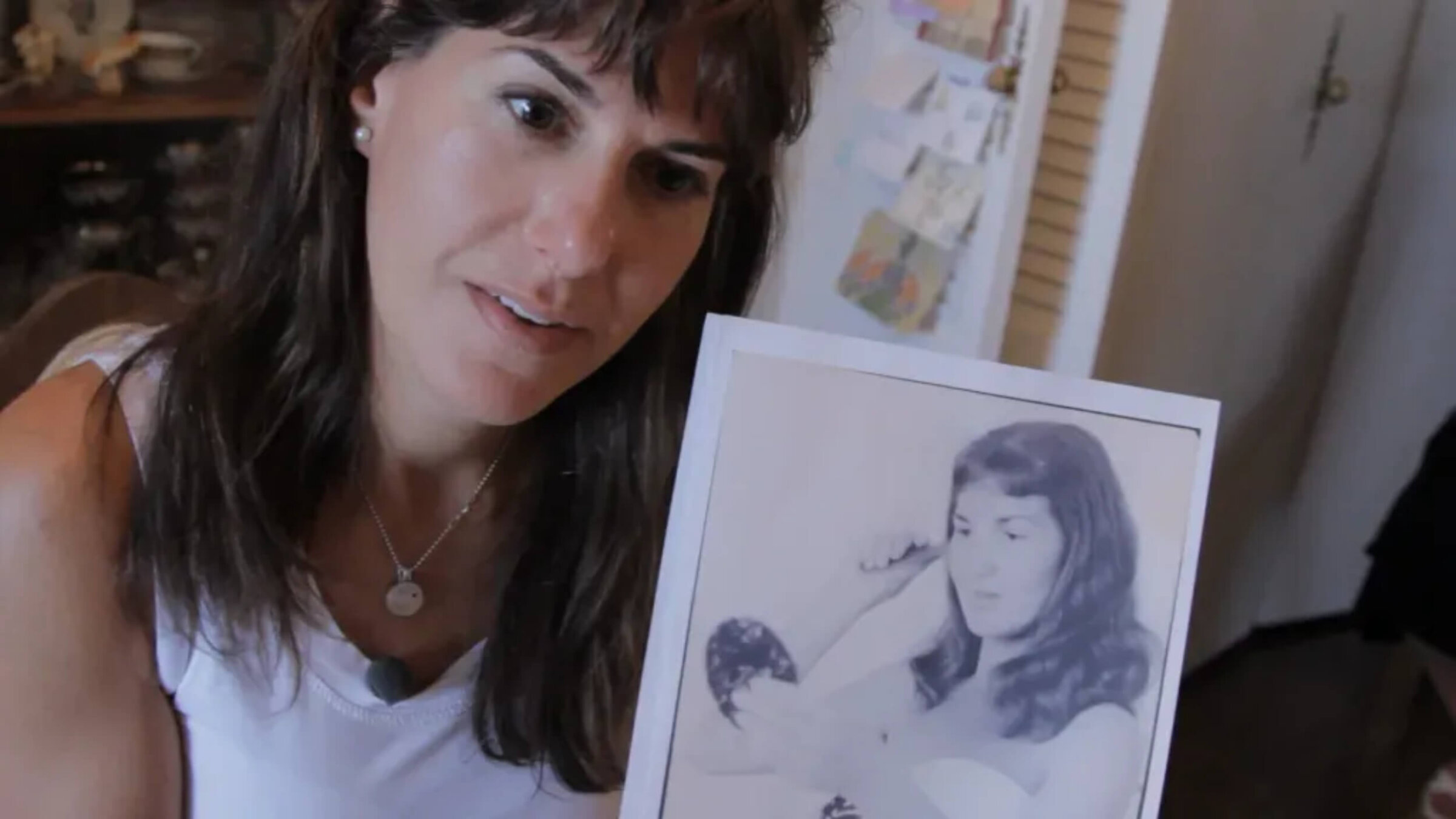
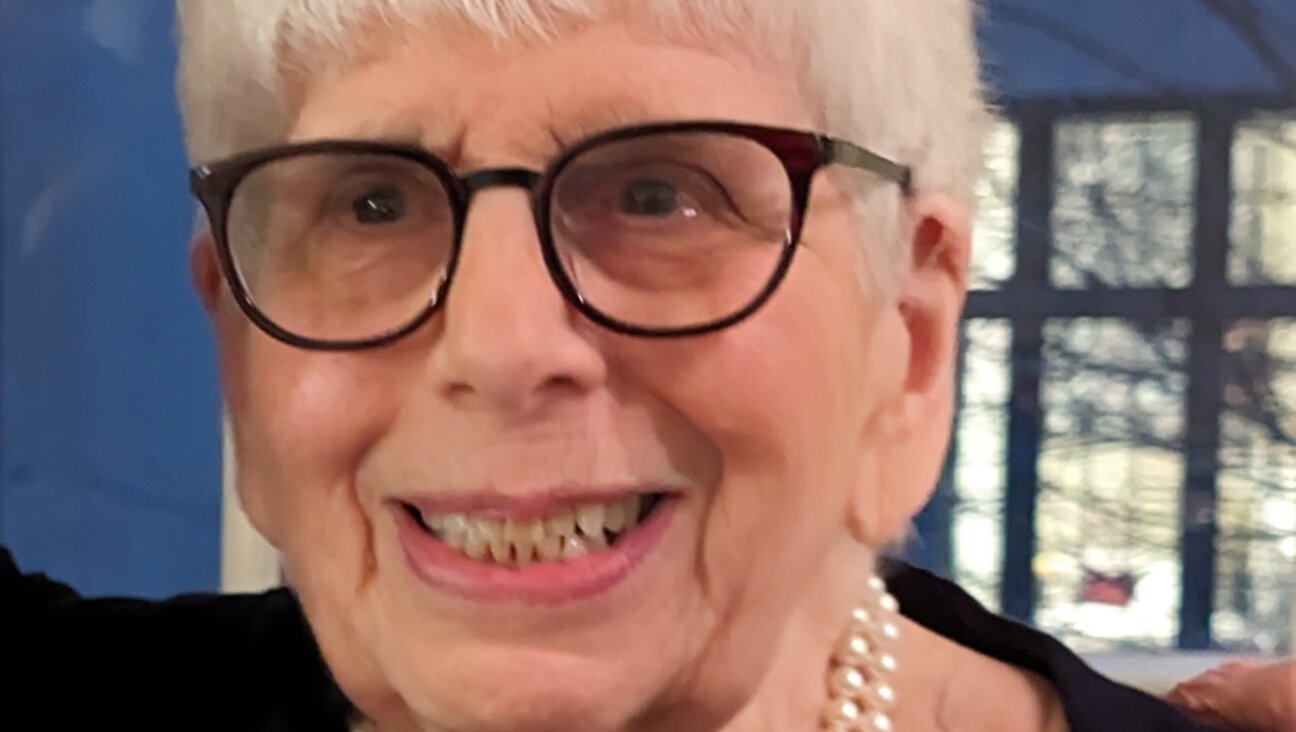
Marisa Fox with a photo of her mom, Alta (also known as Tamar). Courtesy of The 2050 Group

By Olivia Haynie January 22, 2026
Marisa Fox always knew her mother, Tamar Fromer-Fox, had secrets. Tamar never shared the circumstances under which her family had left Poland for Mandatory Palestine, only saying that they avoided the worst of the Holocaust. But years after her mom’s death in 1993, while searching for family records in Dąbrowa-Górnicza, Poland, Fox learned her mom had spent four-and-a-half years in Gabersdorf, a labor camp that became a concentration camp in what was then Czechoslovakia.
In the documentary My Underground Mother, Fox, who is also an occasional Forward contributor, tries to piece together her family history (such as that her mother’s birth name was Heal, not Tamar) and understand why her mother never admitted she was a Holocaust survivor.
Making the film took more than a decade. Fox’s search took her across the globe: Tel Aviv; Berlin; Melbourne; Malmö, Sweden; Silver Spring, Maryland. She tracked down and interviewed dozens of women who had grown up with her mother or survived Gabersdorf with her. Most of them, including Fox’s mother, were teenagers when they were taken.
Although the film starts with Fox’s mother, it quickly expands into a larger story about the experiences of Jewish women during the Holocaust. The narrative is primarily driven by the survivors’ interviews, which are particularly powerful given how few Holocaust survivors are left to tell their stories. At the film’s New York Jewish Film Festival premiere, Fox said that only a handful of the people she interviewed are still alive.
Among their memories of the labor camp are those of brutal sexual violence. The women recall being lined up naked and paraded for visiting SS officers, who would then choose which of the girls — many of whom were 16 or younger — they wanted to sleep with.
These organized assaults are an aspect of the Holocaust that have not received much attention, partially because they were not highlighted on the international stage at the Nuremberg trials. Benjamin Ferencz, a chief prosecutor for the United States Army at the trials, told Fox that the American lawyers thought it would be difficult to convince Russians to prosecute sexual violence as a crime against humanity, given that Soviet troops themselves committed mass rape in liberated areas (American soldiers were also known to perpetrate this offense).
But amid the horror, the women in the camp bound together. One woman, Helene, remembers teaching the other girls Hebrew songs. When Fox’s mother fell ill during a shift, one of her friends did her work for her when the guards weren’t looking. The women also documented their experiences in a shared diary and wrote about their hopes that they would soon be free. Miraculously, the diary survived the war and its owner, Regina, passed it onto her daughter. Fox was able to use excerpts from the diary in the film, including a passage her mother had written.
After the war, Hela was smuggled to Mandatory Palestine by the Haganah and joined the Lehi, a Zionist paramilitary organization, and adopted the name Tamar. She later immigrated to the United States where she started college at 30. She married a native Brooklynite and created a new life for herself.
While some of the survivors condemn Tamar’s decision to hide her past, others understand that it could be easier to invent a whole new identity than try to reckon with such a traumatic experience. One woman, Sara, tells Fox that she named her son Christian so that he wouldn’t be seen as Jewish. Fox herself was originally named Mary Teresa (she changed it as soon as she could).
Growing up, Fox always heard her mother say “I was a hero, never a victim,” and her secrecy may have been essential to keeping that narrative alive. But by shining a new light on the strength of female survivors, My Underground Mother shows that telling the hard truths can also be heroic.
The documentary My Underground Mother will be screening at the Fort Lauderdale International Film Festival and the Boca International Jewish Film Festival in February.
Correction: An earlier version of this article misstated the birth name of Marisa Fox’s mother. Her birth name was Hela, not Alta.
Correction: An earlier version of this article, relying on information from the film’s website, misstated the name of the film festival in Boca. My Underground Mother will be screening at the Boca International Jewish Film Festival, not the Boca International Film Festival.