White House Says ‘All’ Iran Sanctions Will Be Reimposed, With Exceptions

President Donald Trump speaks about the Iran deal from the Diplomatic Reception room of the White House in Washington, DC in October 2017. President Trump on October 13 refused to certify the 2015 Iranian nuclear deal, and warned the United States may yet walk away from ‘one of the worst’ agreements in history. Image by Getty
WASHINGTON (JTA) — The Trump White House on Friday announced that “all the sanctions” relieved under the 2015 Iran deal would be reimposed, but top Trump officials were simultaneously listing caveats.
“On November 5, 2018, all United States sanctions that were lifted under the disastrous Iran nuclear deal will be fully reimposed,” the White House statement said. “Together with the unprecedented sanctions actions taken by the Trump Administration, this will be the toughest sanctions regime ever imposed on Iran.”
It added, “sanctions will target critical sectors of Iran’s economy, such as its energy, shipping, shipbuilding, and financial sectors.”
But officials would not yet outline which entities would face sanctions. It was clear already there would be exemptions, making it difficult to assess whether the new sanctions would outdo the multinational sanctions coordinated in 2010 by the Obama administration, considered the toughest ever on Iran.
Bloomberg News earlier Friday reported that at least eight countries — including major Iranian oil consumers India, South Korea and Japan — would get cutouts allowing them to continue purchasing Iranian oil.
Secretary of State Mike Pompeo and Treasury Secretary Steve Mnuchin, in a conference call with reporters, acknowledged there would be eight cut-outs, but said these would be temporary, and that six of the countries would be expected to “greatly reduce” oil purchases and two will eventually have to cut off Iran completely. They would not name the countries.
Pompeo and Mnuchin also declined to say whether Iran’s Central Bank would be on the list. Cutting off the Central Bank from dollar markets, as was done under the Obama sanctions, was critical in starving Iran’s economy from cash.
Alyssa Fisher is a news writer at the Forward. Email her at [email protected]
"Why I became the Forward’s Editor-in-Chief"
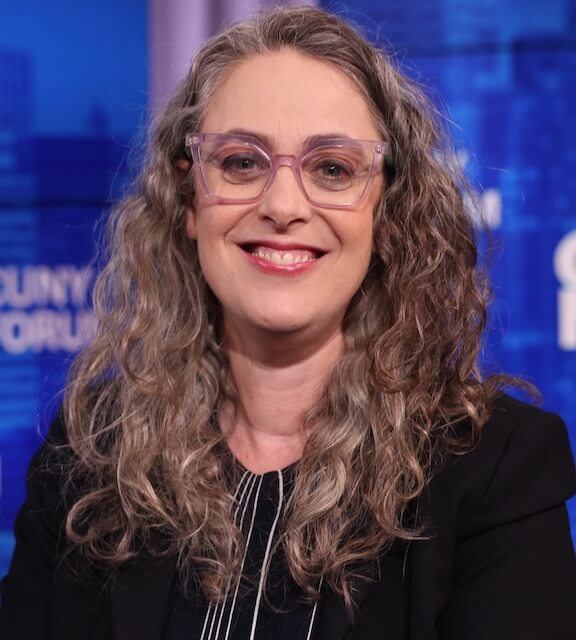
You are surely a friend of the Forward if you’re reading this. And so it’s with excitement and awe — of all that the Forward is, was, and will be — that I introduce myself to you as the Forward’s newest editor-in-chief.
And what a time to step into the leadership of this storied Jewish institution! For 129 years, the Forward has shaped and told the American Jewish story. I’m stepping in at an intense time for Jews the world over. We urgently need the Forward’s courageous, unflinching journalism — not only as a source of reliable information, but to provide inspiration, healing and hope.
Support our mission to tell the Jewish story fully and fairly.