New York City will install 100 new security cameras in Haredi neighborhoods

A NYPD car patrols in South Williamsburg, Brooklyn on December 30, 2019 in New York City, two days after an intruder wounded five people at a rabbi’s house in Monsey, New York during a gathering to celebrate the Jewish festival of Hanukkah. Image by KENA BETANCUR/AFP via Getty Images
(JTA) — New York City will install 100 new security cameras in neighborhoods in Brooklyn with large haredi Orthodox Jewish populations.
New York Mayor Bill de Blasio announced the new security measure on Friday.
The neighborhoods slated to get the cameras are Williamsburg, Crown Heights and Borough Park, the Associated Press reported.
The first 30 cameras are scheduled to be installed by March, and the remaining 70 will be installed with input about where to locate them from community representatives, the Brooklyn Paper reported.
“An attack on the Jewish community is an attack on all New Yorkers,” de Blasio said in a statement published by local media. “These new security cameras will increase the NYPD’s visibility into these neighborhoods, and help our officers on the ground keep New Yorkers safe.”
The three neighborhoods have been the sites of numerous anti-Semitic incidents ranging from verbal assault to physical attacks, including sucker punches and the ripping off of kippahs and women’s head coverings.
Meanwhile, there has been an increase in applications filed by Orthodox residents of Rockland County for gun permits, the New York Post reported.
In the week following the Dec. 28 stabbing attack at the home of a rabbi in Monsey, New York, there were 65 new applications filed county-wide, with 23 from Monsey. All but five of the new applications came from within the heavily haredi town of Ramapo, which includes Monsey and other heavily Jewish areas, according to the Post. In the two months prior to the attack, an average of six applications a week were filed throughout the county, with only two from Monsey.
The post New York City will install 100 new security cameras in haredi Orthodox Brooklyn neighborhoods appeared first on Jewish Telegraphic Agency.
Why I became the Forward’s editor-in-chief
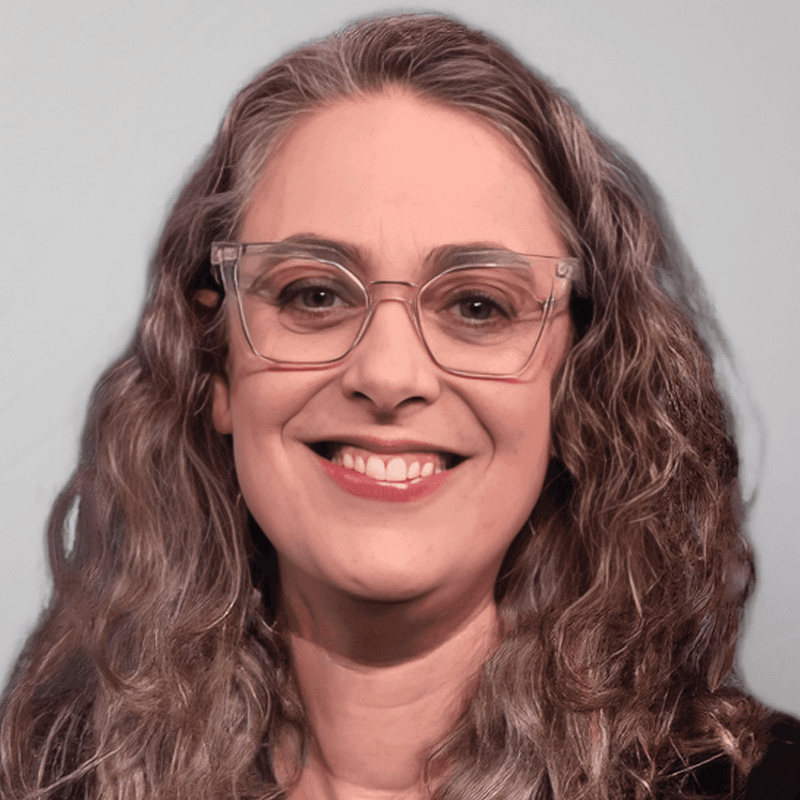
You are surely a friend of the Forward if you’re reading this. And so it’s with excitement and awe — of all that the Forward is, was, and will be — that I introduce myself to you as the Forward’s newest editor-in-chief.
And what a time to step into the leadership of this storied Jewish institution! For 129 years, the Forward has shaped and told the American Jewish story. I’m stepping in at an intense time for Jews the world over. We urgently need the Forward’s courageous, unflinching journalism — not only as a source of reliable information, but to provide inspiration, healing and hope.
 , editor-in-chief
Support our mission to tell the Jewish story fully and fairly.