Where Serious Torah Study for Women Is a Top Priority
By Debra Nussbaum Cohen May 15, 2009
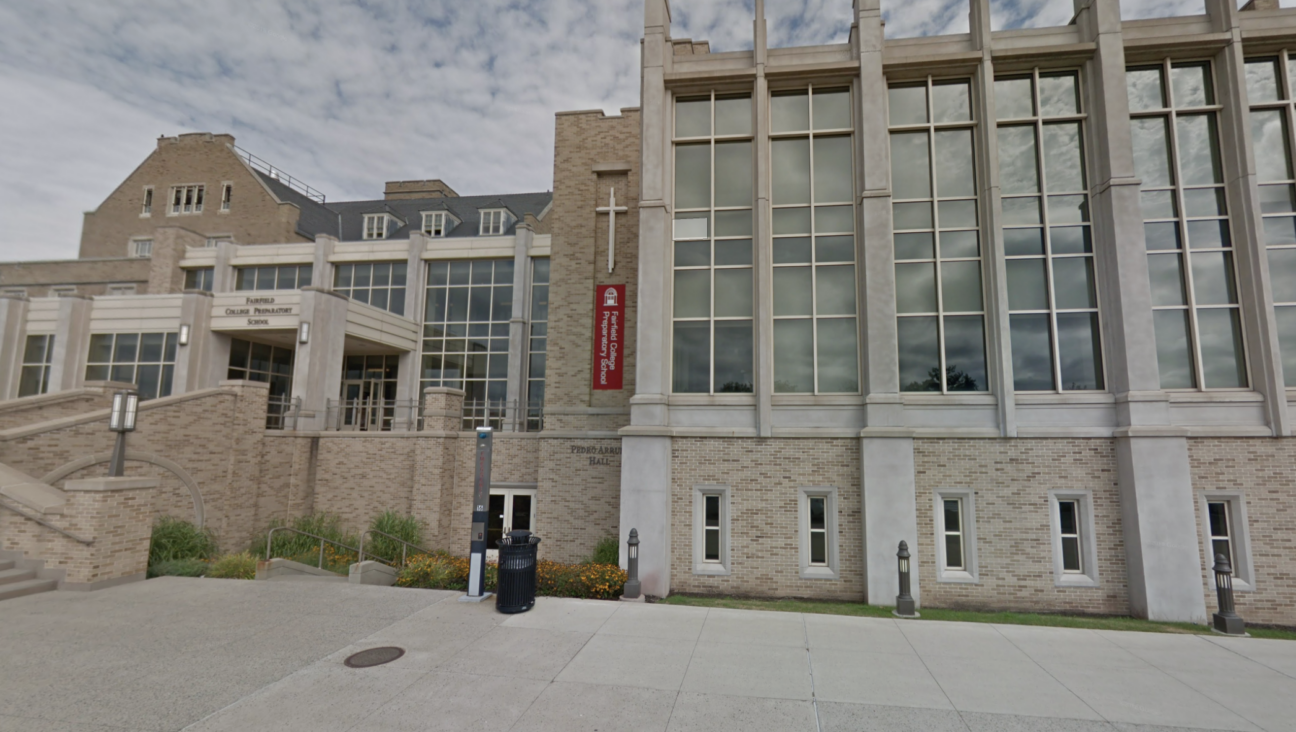
There were a couple of notable things about the annual dinner held on Mother’s Day by the Drisha Institute for Jewish Education. The dinner celebrated the 30th anniversary of Drisha — a small but influential center for women’s advanced Torah study where I’m concluding a year of learning as an Arts Fellow.
Drisha’s currently most famous alumna is Maharat Sara Hurwitz the in-all-but-name female Orthodox rabbi working as an educator and spiritual guide at the Hebrew Institute of Riverdale. She’s a graduate of the Drisha Scholar’s Circle, a three-year course of study comparable to what men learn on their way to earning rabbinic ordination, and was honored at the dinner along with two Drisha lay leaders.
Drisha’s range of supporters is unusual for a religious American Jewish institution. Lots of men sporting the close-cropped yeshiva guy hairstyle and married women wearing “shul suits” and coordinating hats were there. But there were also lots of women who don’t cover their hair and wear pants and t-shirts when not at a fancy-shmancy dinner.
It was nice being at a dinner where a focus on one commitment brought everyone together, and their differences mattered not at all. It’s a lovely thing to have the luxury of being immersed in Torah, especially in a place where the people seriously believe there is inherent value in women studying all of Torah’s many facets.
And speaking of serious Torah study for women: Rabbi Avi Weiss this week announced the opening of Yeshivat Mahara”t to train women to become part of the Orthodox rabbinic clergy à la Hurwitz.
This is a moment of great uncertainty. Here’s what you can do about it.
We hope you appreciated this article. Before you go, we’d like to ask you to please support the Forward’s independent Jewish news this Passover. All donations are being matched by the Forward Board - up to $100,000.
This is a moment of great uncertainty for the news media, for the Jewish people, and for our sacred democracy. It is a time of confusion and declining trust in public institutions. An era in which we need humans to report facts, conduct investigations that hold power to account, tell stories that matter and share honest discourse on all that divides us.
With no paywall or subscriptions, the Forward is entirely supported by readers like you. Every dollar you give this Passover is invested in the future of the Forward — and telling the American Jewish story fully and fairly.
The Forward doesn’t rely on funding from institutions like governments or your local Jewish federation. There are thousands of readers like you who give us $18 or $36 or $100 each month or year.
Support our mission to tell the Jewish story fully and fairly.