Reb Shmuley’s Candidacy Challenges Jewish Voters
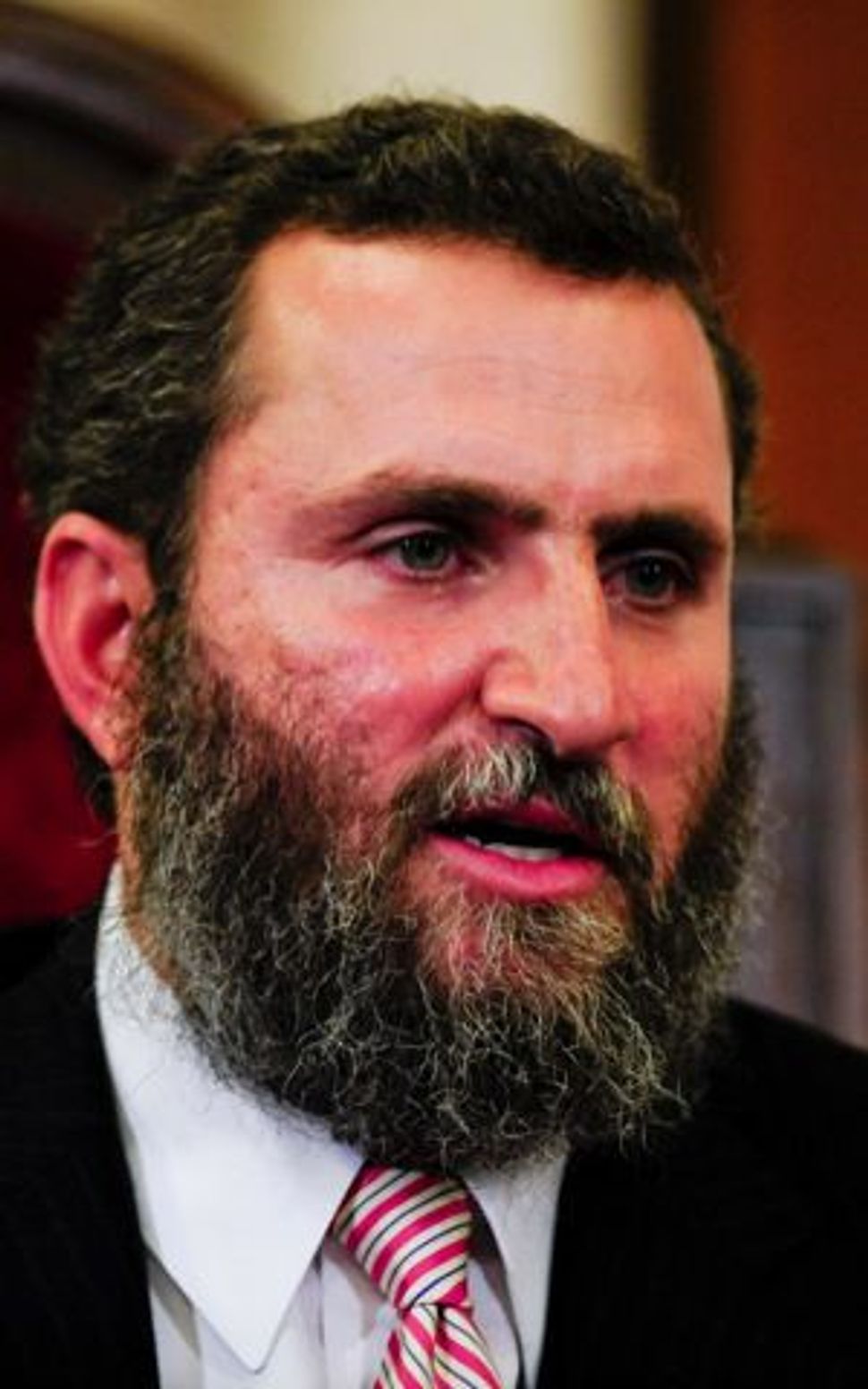
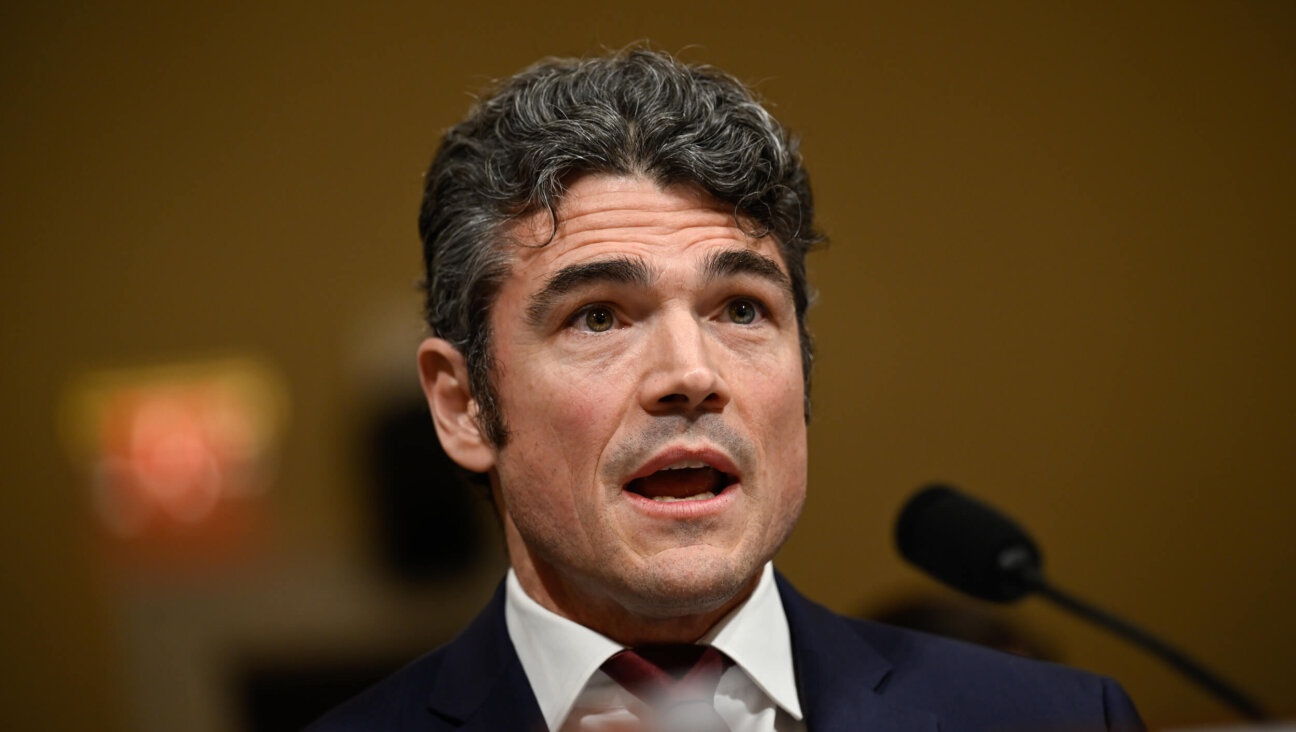
Rabbi Shmuley Boteach Image by getty images

Nathan Guttman June 11, 2012
New Jersey Congressman Steve Rothman’s defeat in the Democratic primary on June 5 has presented the state’s 9th district Jewish voters with a choice, between a non-Jewish Democrat and his rival, a Jewish Republican.
Democrats consider the district safe, meaning they do not feel it is in danger of falling into Republican hands and most Jewish residents of the newly-drawn 9th district, which includes Bergen, Passaic and parts of Hudson counties, are also seen as leaning heavily toward the Democratic side.
For them, Steve Rothman was an ideal candidate. One of the top players on the pro-Israel scene, a moderate in his views, and well known to his fellow Jewish constituents.
His rival, and now the Democratic candidate, Bill Pascrell has less of a track record with the Jewish community. He previously represented a district with a more significant Muslim population and had less contact with Jewish voters and activists.
Pascrell will be facing in November Rabbi Shmuli Boteach, the winner of the Republican primary. Boteach, who aims to be the first rabbi elected to Congress, is well known both within the Jewish community and outside. A rabbi to the stars who has broadened his reach to write about sex, family life, and Jesus Christ, Boteach is hoping to win over Jewish voters who might have voted for Rothman but are now wary about Pascrell.
Pascrell came under fire by groups on the right for signing on to a J Street-sponsored letter in 2010 and for maintaining close ties with Muslim-American activists.
But these claims aren’t, as of now, having much of an impact on the race.
NORPAC, the powerful New-Jersey-based pro-Israel PAC, has decided to reserve judgment on the Pascrell-Boteach race. The PAC, which endorsed Rothman in the primary race, will not put up any of its own funds in favor of either of the candidates. However, the group will host fundraising event for Pascrell or Boteach if individual PAC members serving as bundlers for either campaign request them.
“Pascrell has his supporters in the Jewish community and Shmuley [Boteach] obviously has many Jewish friends, so each one will work with his own people,” said NORPAC president Ben Chouake. He described Pascrell’s record on Israel, as being “okay.”
“He has a 16 year record in which he voted the right way on all the key issues,” said a Democratic political activists involved in the New Jersey race. “He may not be a top leader, but he is pro-Israel.”
Pascrell’s challenge will be reaching out to Jewish donors for his campaign. Top dollar givers who are aligned with the American Israel Public Affairs Committee might be uncomfortable throwing fundraisers for a candidate who cooperated with their archrival J Street, although some, according to local activists, have already expressed their support. Pascrell will also try and go after NORPAC donors, who are known as leaning more toward the right on issues relating to Israel. The question of his religion, however, is not expected to play a role. “Jewish voters have gotten passed the ethnic pride issue,” said Chouake.
Much of this discussion, however, has little significance beyond Jewish circles. Given the strong Democratic leaning of the district, it will take more than a few Jewish swing votes to flip the seat.
This is a moment of great uncertainty. Here’s what you can do about it.
We hope you appreciated this article. Before you go, we’d like to ask you to please support the Forward’s independent Jewish news this Passover.
This is a moment of great uncertainty for the news media, for the Jewish people, and for our sacred democracy. It is a time of confusion and declining trust in public institutions. An era in which we need humans to report facts, conduct investigations that hold power to account, tell stories that matter and share honest discourse on all that divides us.
With no paywall or subscriptions, the Forward is entirely supported by readers like you. Every dollar you give this Passover is invested in the future of the Forward — and telling the American Jewish story fully and fairly.
The Forward doesn’t rely on funding from institutions like governments or your local Jewish federation. There are thousands of readers like you who give us $18 or $36 or $100 each month or year.
Support our mission to tell the Jewish story fully and fairly.