We’re forgetting the lessons of the Triangle Shirtwaist Factory fire
States have been gradually rolling back the protections that activists like Pauline Newman and Clara Lemlich bravely fought for
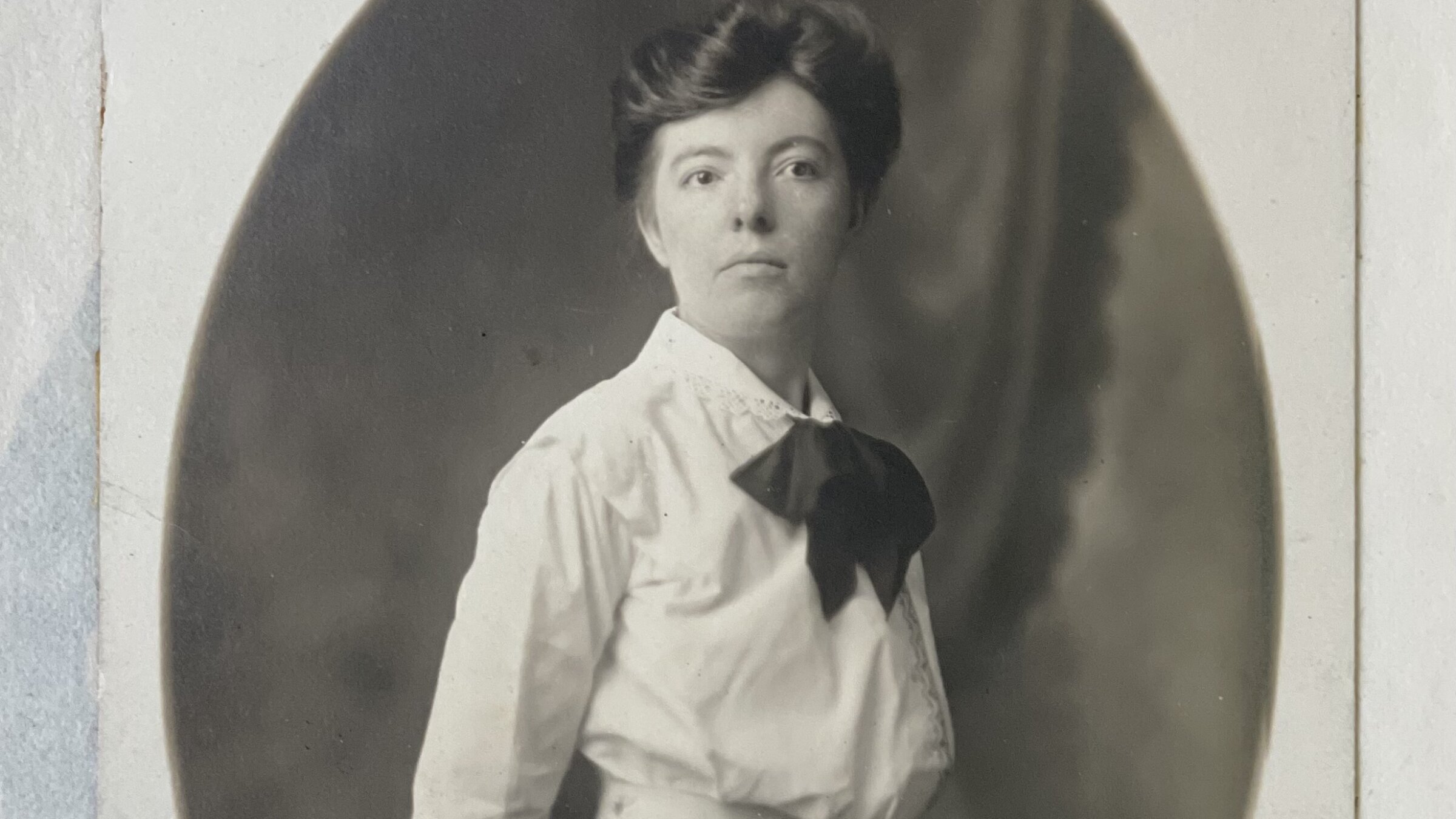
Born in Lithuania, Pauline Newman became one of the most influential labor organizers of the early U.S. labor movement. Courtesy of Cathryn J. Prince
When the young women of the Triangle Shirtwaist Factory sat down before their Singer sewing machines on Saturday, March 25, 1911, they could not know that their lives would soon be extinguished because of a lit cigarette.
At around 4:40 p.m., a worker flicked a still-smoldering cigarette butt into a bin filled with paper patterns and fabric scraps. The contents ignited instantly. Someone threw a bucket of water to douse the flames — to no avail. Eighteen minutes later, 148 people were dead: 123 women and 25 men, many of them teenagers, many of them Jewish, most of them immigrants.
The Triangle Shirtwaist Factory fire, which remains the deadliest workplace disaster in New York City and one of the worst in the country, not only shocked the nation, it transformed American labor law. Locked doors, unsafe conditions, and the exploitation of young workers came to symbolize an industrial system that all too often treated human beings as expendable. Public outrage led to sweeping workplace reforms and helped launch modern labor protections.
Now, 115 years later, those hard-won safeguards are eroding.
Across the country, child labor violations are rising. Teenagers are working longer hours and, in some cases, dangerous jobs like working in industrial freezers, on construction sites, and in meat-processing facilities. According to the U.S. Department of Labor’s Wage and Hour Division, the number of children employed illegally nearly quadrupled between 2015 and 2024; meanwhile, the companies that hire them often face minimal penalties.
The lesson of Triangle was clear: When economic pressure meets diminished regulations, minors become the most vulnerable workers. Today’s legislative rollbacks and declining enforcement risk recreating the very conditions reformers fought to eliminate.
Few understood those stakes better than Pauline Newman, one of the most influential labor organizers of the early U.S. labor movement. Born in Lithuania, Newman immigrated to the United States with her mother and sisters after her father’s death. By age 9, she was climbing dark factory stairs to work in a hairbrush factory. Later, she rolled cigars, and by 12, she found work at the Triangle Shirtwaist Factory, laboring 14 hours a day in what workers called the “kindergarten,” trimming loose threads from finished garments. Shirtwaists arrived piled in cases taller than some of the children themselves.
“We were too young to do anything else,” Newman later recalled.
In one of several pieces she wrote for the Forward, she chronicled her experience working at The Triangle and what she described as her “own drab existence,” wondering “dear God will it ever be different?”
Although Newman had left Triangle before the fire, the disaster changed her life. The deaths of former coworkers propelled her into a lifetime of labor organizing and fighting to protect workers, especially minors, from exploitation. Her activism helped reshape public understanding of workplace safety and child labor, showing that reform comes only when society decides certain risks are unacceptable.
Throughout the 19th century, reformers had pursued piecemeal protections. Religious leaders fretted over working children who couldn’t read scripture, while secular advocates argued democracy required an educated citizenry. Early laws limited hours or required factory owners to provide basic education, but enforcement was inconsistent and protections varied state-by-state. When Newman arrived in New York City in 1901, meaningful safeguards were largely absent.
The Triangle fire changed that calculus. By 1913, Newman and her fellow organizers, including Rose Schneiderman, Clara Lemlich and Frances Perkins, helped push legislation that moved thousands of children from factory floors into classrooms and introduced workplace safety standards. The culmination came in 1938 with the Fair Labor Standards Act, establishing nationwide rules governing wages, hours and child labor.
Now many of these protections are being undermined. Since 2021, at least 17 states have rolled back child labor protections, while others have introduced legislation to diminish existing safeguards.
In Florida, proposed legislation would remove limits on working hours for 16- and 17-year-olds, potentially allowing overnight shifts during the school year. In 2023, Iowa passed laws permitting minors to work in previously restricted environments, including meat coolers. Arkansas, Missouri, Ohio and other states have pursued similar measures.
Supporters argue the changes provide flexibility for families and help businesses facing labor shortages. Opponents warn they expose minors to injury and undermine education.
Many young workers entering hazardous jobs today come from immigrant families struggling with rising living costs. Some are recent arrivals, including unaccompanied minors particularly vulnerable to exploitation. For these families, work isn’t an extracurricular activity; it means economic survival. But hardship does not make dangerous labor safe, nor should it justify dismantling protections.
Families facing financial instability often feel they have little choice but to send children into the workforce. But no family, however, should face the choice Pauline Newman once did: education or survival.
Nostalgia often shapes today’s political arguments. Lawmakers recall babysitting, shoveling snow, or scooping ice cream as teenagers. But many modern violations occur not in safe, supervised settings but in industrial workplaces where injuries can be life-altering or fatal; as was the case when, in 2023, a 16-year-old Wisconsin boy died in a cotton-packing machine.
Weakening protections risks reversing more than a century of progress, undermining not only individual futures but an economy and democracy that depend on an educated workforce.
Preventing a return to early industrial exploitation doesn’t require reinventing labor law. It requires enforcing and modernizing protections already proven to work.
States can strengthen work-permit systems, as Illinois did in 2024, improving oversight and reducing violations. Civil and criminal penalties must increase so illegal child labor is not treated as a routine business expense. For example, New York has expanded enforcement authority and centralized employment records for minors, enabling fines upwards of $50,000 for serious and repeat violations. Policymakers should eliminate subminimum wages for young workers and tighten prohibitions on hazardous work, particularly in agriculture and manufacturing. Colorado has taken steps allowing injured minors to pursue private legal action, strengthening employer accountability.
The Triangle Shirtwaist Factory fire compelled Americans to confront what happens when profit outweighs protection. Reformers like Pauline Newman spent decades ensuring children would no longer bear the cost of unsafe workplaces. Reform was hard-won, and progress is never inevitable. More than a century later we ought to remember why those protections exist.
This is a moment of great uncertainty. Here’s what you can do about it.
We hope you appreciated this article. Before you go, we’d like to ask you to please support the Forward’s independent Jewish news. All donations are still being matched by the Forward Board - up to $100,000 until April 24.
This is a moment of great uncertainty for the news media, for the Jewish people, and for our sacred democracy. It is a time of confusion and declining trust in public institutions. An era in which we need humans to report facts, conduct investigations that hold power to account, tell stories that matter and share honest discourse on all that divides us.
With no paywall or subscriptions, the Forward is entirely supported by readers like you. Every dollar you give is invested in the future of the Forward — and telling the American Jewish story fully and fairly.
The Forward doesn’t rely on funding from institutions like governments or your local Jewish federation. There are thousands of readers like you who give us $18 or $36 or $100 each month or year.

Support our mission to tell the Jewish story fully and fairly.