As protests grip Iran, fears grow for a Jewish New Yorker held prisoner there
Kamran Hekmati, a Iranian-American from Great Neck, is being held in Evin prison
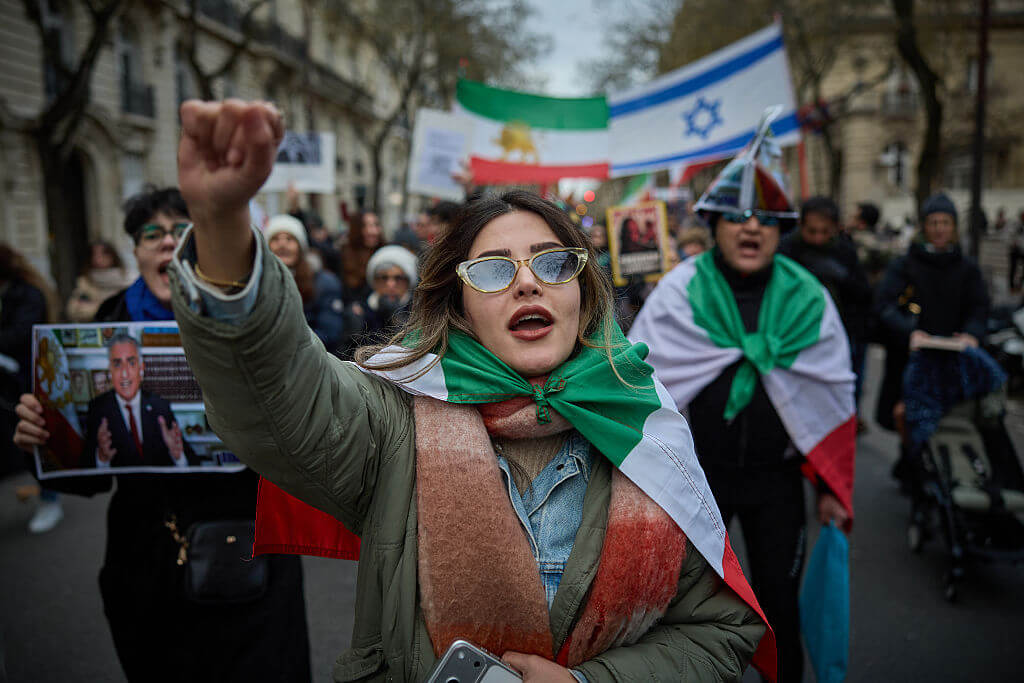
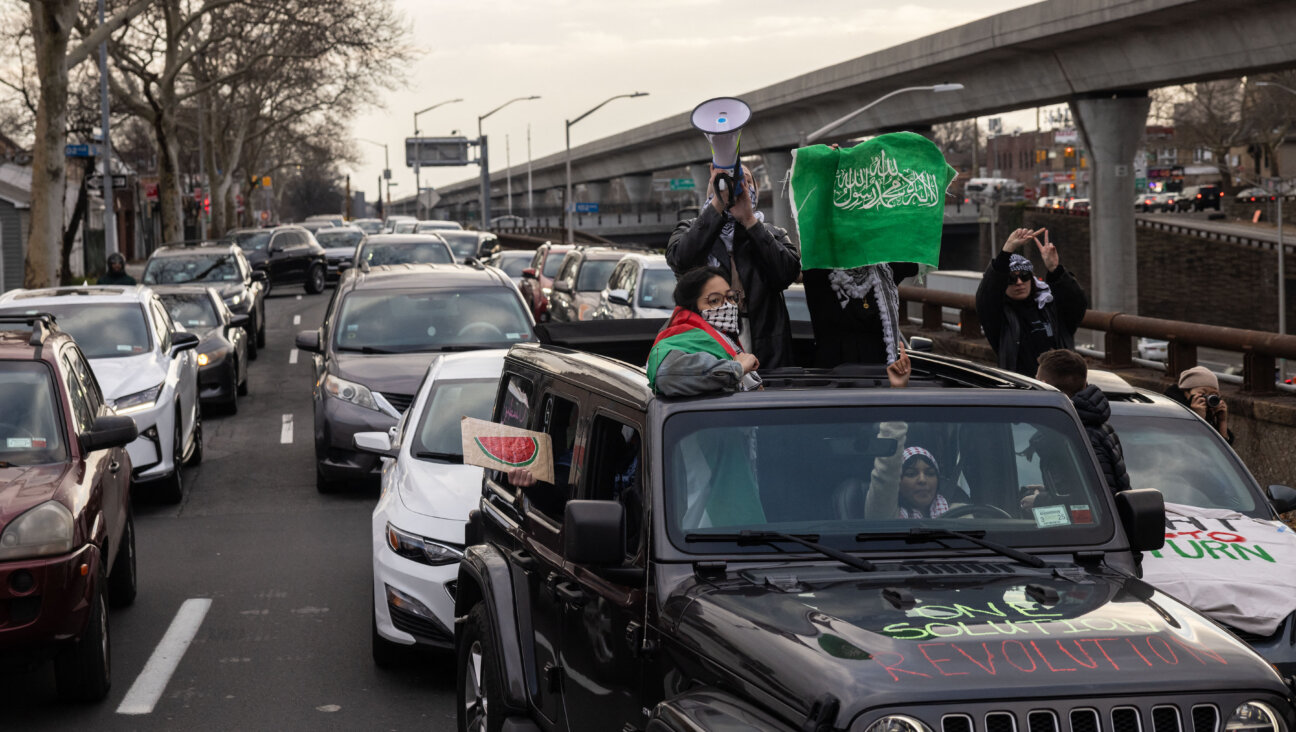
Protestors shout slogans during a demonstration to support mass rallies denouncing the Islamic republic in Iran in Paris on January 11, 2026. Photo by Kiran Ridley/AFP via Getty Images
By Simone Saidmehr January 13, 2026
As Iran is gripped by its most intense wave of protests in years, concern is mounting over the fate of Americans imprisoned by the Islamic Republic — particularly Kamran Hekmati, an Iranian Jewish man from Great Neck, New York, who was sentenced to two years in prison while traveling to Iran for business. His crime was traveling to Israel 13 years ago for his son’s bar mitzvah.
Hekmati, 70, suffers from aggressive bladder cancer and is currently being held at the Evin prison in Iran, which is notorious for its particularly harsh conditions. Hekmati, a father and husband, is a jeweler and a member of the Zoning Board of Appeals of the village of Great Neck Estates. He was born in Iran, moved to the United States over 55 years ago, and holds dual Iranian and American citizenship. Prior to his arrest, Hekmati had reportedly traveled to Iran about three times a year without issue.
Barry Rosen, a Jew and former U.S. diplomat who was held hostage in the U.S. embassy in Iran for 444 days, said there are currently about eight Americans wrongfully imprisoned in Iran. Hekmati is the only Jewish captive.
Amid the current unrest in Iran, Rosen, a founding member of Hostage Aid Worldwide, said his organization is facing major challenges “getting information out about what is happening to the hostages.” “Right now,” he said, “the captives are not the most important issue in Iran for the State Department” or other organizations that could help.
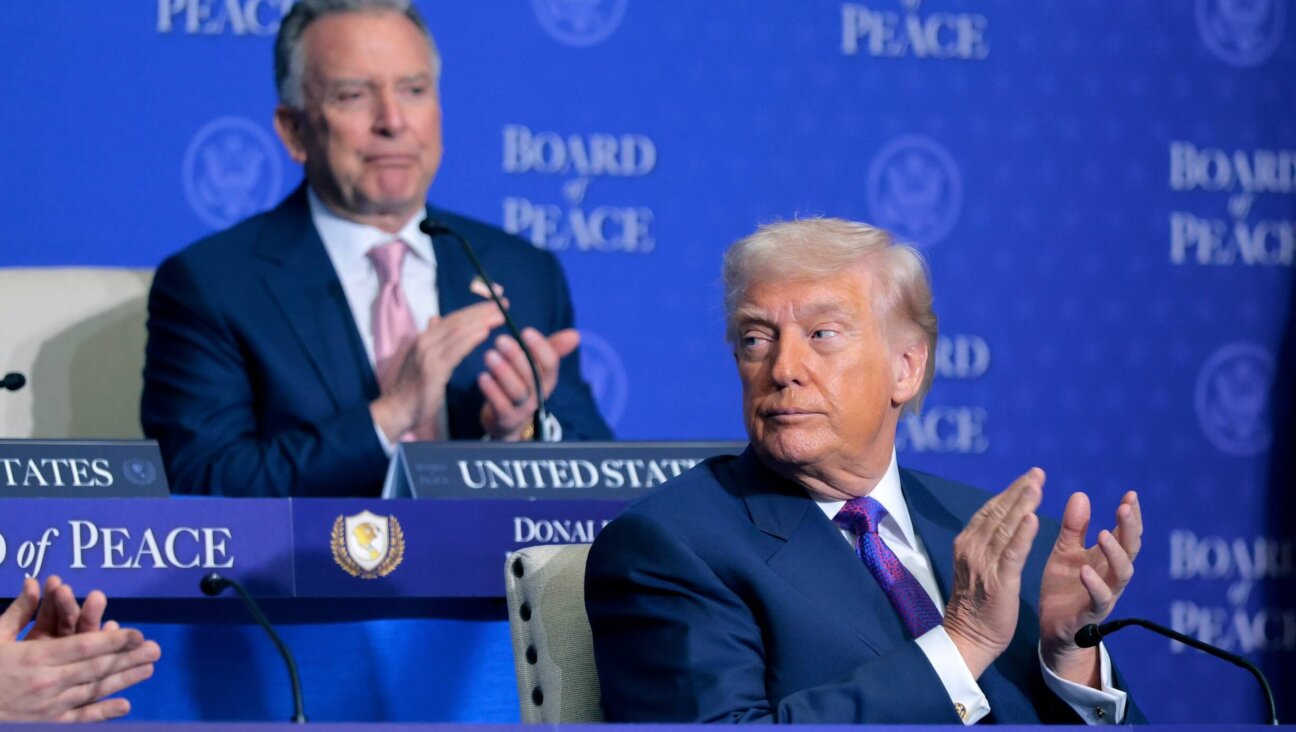
Despite those challenges, Rosen said the current moment could present a rare opportunity to see American prisoners like Hekmati freed, as the United States comes to the negotiating table with significant leverage amid President Donald Trump’s threats to involve the U.S. militarily.
“There could possibly be a deal,” Rosen said, “but there has to be three or four prongs to this situation.” Any agreement, he added, would necessarily involve not only freeing American prisoners, but also restrictions on key security issues like Iranian nuclear enrichment and ballistic missile production.
That leverage comes against the backdrop of heightened regional conflict following the war between Israel and Iran this summer. Community members in Great Neck say Hekmati was captured by Iranian authorities around the time of the Twelve-Day War. “The regime wants to use him as an example of Israel’s use of Iran’s Jewish population as ‘Israeli’ infiltrators,” Rosen said.
Fear and hope among Great Neck’s Persian community
News of Hekmati’s imprisonment reverberated through his hometown of Great Neck, which has a significant Iranian population that is largely Jewish, and where nearly half of all households include a Jewish resident.
For Elizabeth Shirian, who was aware of Hekmati’s frequent travel to Iran, the news was both frightening and grimly unsurprising. About 10 years ago, while on a family trip to Istanbul, she ran into Hekmati at a restaurant as he was on his way to Iran. Even then, she said, “We thought, ‘Wow, he’s such a risk taker.’”
Shirian said her uncle was taken prisoner around the time of the Islamic Revolution in Iran for his alleged connection to Israel and was released after about a year. As unrest in Iran grows, she said her concern for Hekmati has only intensified. “Being a Jew imprisoned in the Islamic Republic of Iran is not something that typically ends well,” she said. “And now I think they’re even more ruthless than they were back then.”
Another community member, Ebby Victory, said Hekmati’s imprisonment has erased any lingering sense of normalcy for Iranians in Great Neck who had continued traveling to Iran prior to his arrest. “His situation has definitely made people more cautious about going back to the country,” Victory said.
The case has also drawn attention from elected officials representing the area. “When Mr. Hekmati was unjustly imprisoned in Iran late last year, I immediately reached out to Secretary Rubio and urged him to take swift action,” Rep. Tom Suozzi, whose district includes Great Neck, said in a statement to the Forward. My staff will be receiving an updated briefing from the State Department on Mr. Hekmati’s status in the coming days,” he said. Rep. Suozzi added that he will “continue to both work for his release and stand with courageous Iranian protestors.”
Amid protests, Jews in Iran retreat from public life
Rosen said Hekmati’s imprisonment reflects the increasingly precarious position of Iran’s Jewish community during moments of national crisis. “The Jewish community in Iran is playing a very tough balancing act,” Rosen said. “The balancing act is, ‘I’m Jewish and I’m not pro-Israeli.’” This distinction becomes even more critical during moments of upheaval. “The Jewish community knows that they have to be very, very careful in what they say and do right now,” said Rosen.
According to Rosen, between 20 and 30 Jewish Iranians have been taken prisoner in Iran since the Twelve-Day War, most accused of working with the Mossad or Israel. That number is significantly higher than anything he has seen from the regime in many years. Since the war, Rosen said, the situation for Jews in Iran has grown deeply precarious, and the protests have only intensified that reality.
“From what I gather, they’re not out,” Rosen said. “They just are not congregating anywhere, because they don’t want to get caught up in a situation where they might get arrested for some demonstration.”
For Iran’s Jewish community, Rosen said, the overriding priority remains survival. “It’s a vise that they’re in right now,” he said. “How do you survive in this situation?”