Why the Forward launched a Yiddish podcast
Each episode features one or two articles in Yiddish related to a specific theme
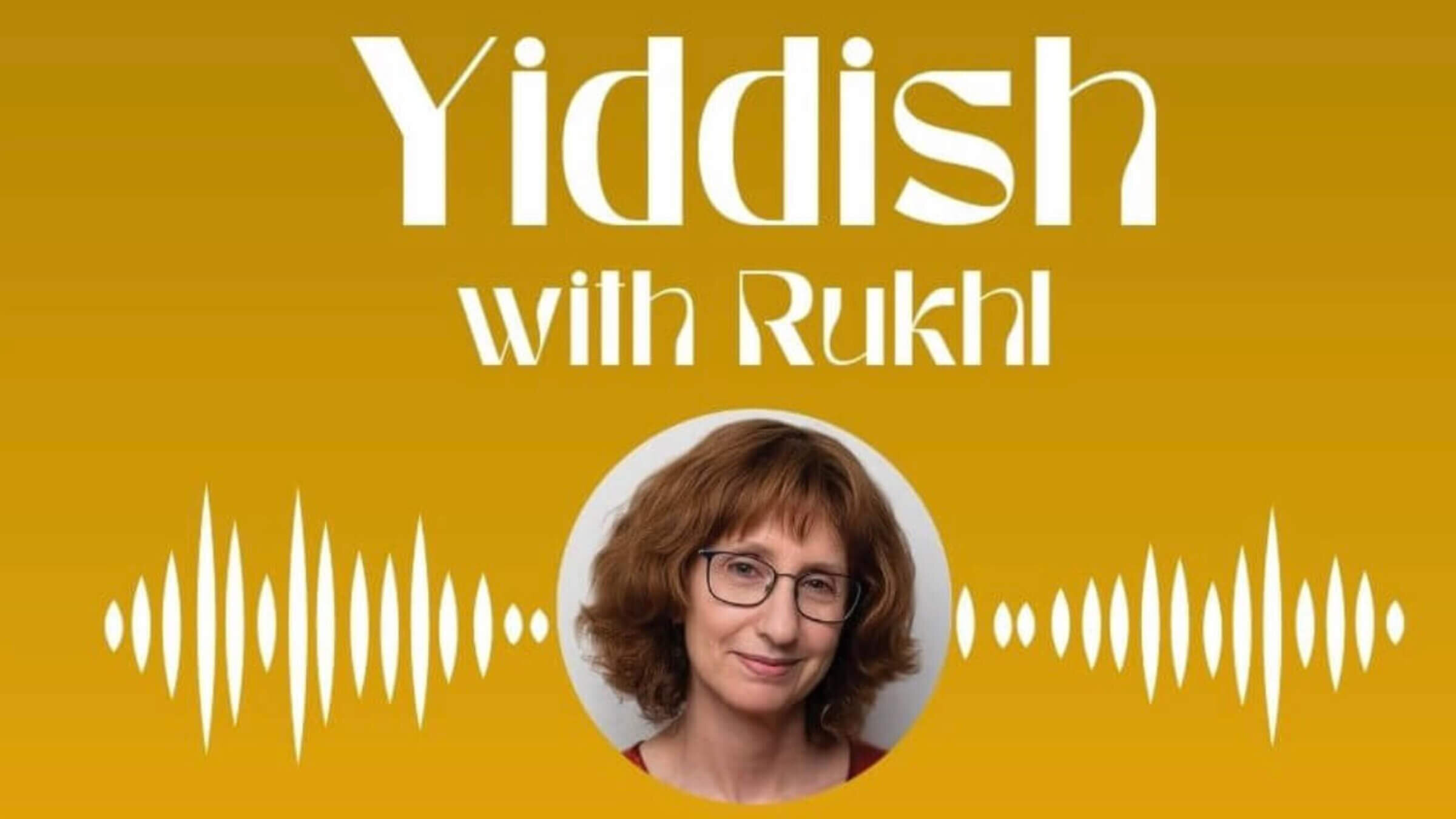
Photo by the Forward

By Rukhl Schaechter February 5, 2026
In April 2020, right after the COVID virus sequestered us all in our homes, the Forward staff huddled about what we could do for the many people who felt isolated, unable to go to work or to see their friends and family.
A colleague turned to me and said: “Hey Rukhl, how about starting a YouTube series called ‘Yiddish Word of the Day’?” I did, and to my surprise, it immediately drew in many viewers and is still going strong six years later.
This was a wake-up call. Judging from the comments on YouTube and Facebook following each episode, I realized that there were many people who were fond of Yiddish but didn’t necessarily speak or even understand it. Although we had been producing Yiddish videos with English subtitles for decades, geared towards those who didn’t know Yiddish (like our cooking shows), this was our first entry into actually teaching the language to our viewers.
I learned something else from the viewers’ reactions to YWOD. Many said that it was great to hear the Yiddish, that they understood most of it but sadly, never heard anyone speak it anymore. Others said they weren’t Jewish but understood a lot of it because they knew German.
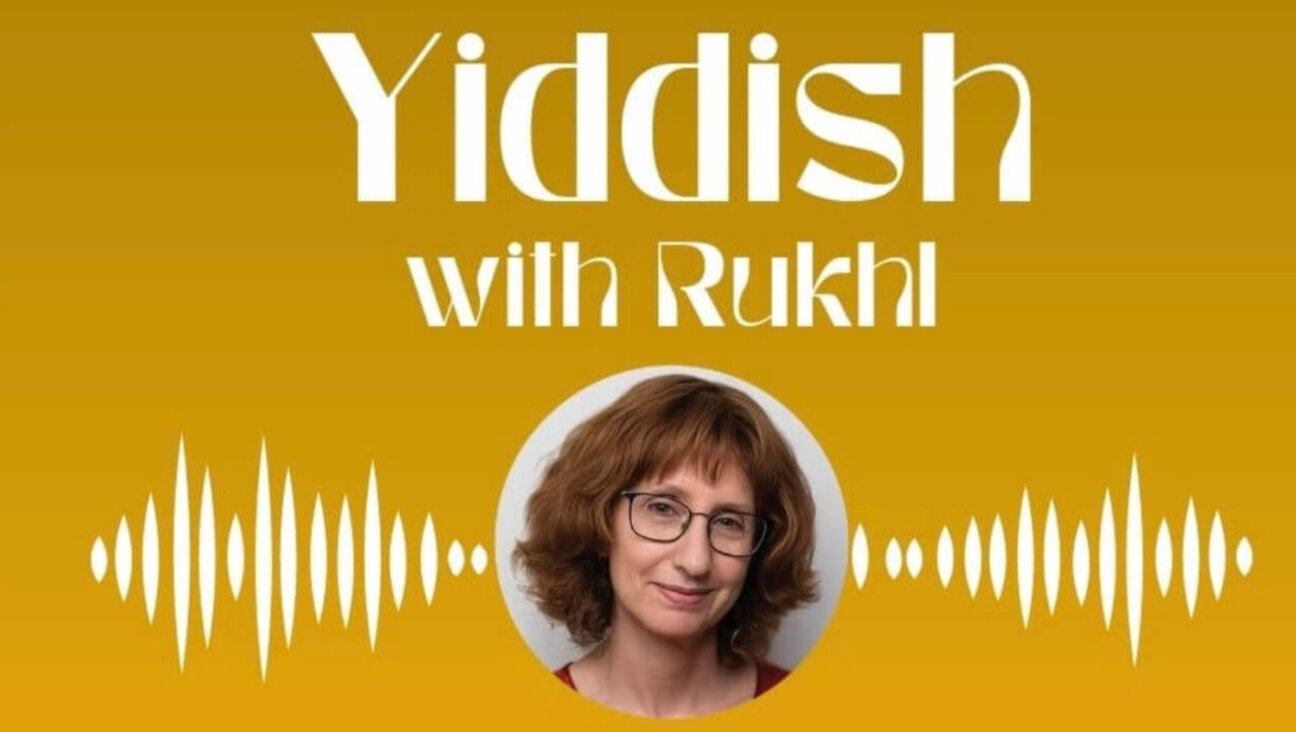
I kept wondering what we could do for this segment of our audience that understands Yiddish but can’t or doesn’t have time to read it. After fellow Yiddishists urged me to start a Yiddish podcast, I jumped in. Called simply Yiddish With Rukhl, the weekly podcast episodes have me reading two Forverts articles in Yiddish related to a given theme. The first episode was about coffee; the second — about seeking love.
The limited series, which was launched in early January, consists of 12 episodes that drop each Sunday morning.
As I explain in my introduction to each episode, listeners don’t have to understand every word. What’s important is getting an opportunity to hear the language, to learn how these words are pronounced and to absorb the intonation, or the musical cadence of the Yiddish language.
To my surprise, within the first three days of launching the podcast, it had been downloaded over a thousand times. Many people emailed me or commented on Facebook about it. One woman wrote: “Your two podcasts were really enjoyable and got me through 40 minutes on the treadmill.”
Another listener wrote: “With near to zero knowledge of Yiddish, but with my native Dutch and fairly good German, I could understand quite a lot, even at speed 1.5! Listening a second and third time helped to understand more. Very clear and quiet diction. Many thanks. Hoping for more.”
Several listeners also gave us a great suggestion: that the landing page of the podcast include the links to the original printed articles, since being able to read and listen to the article simultaneously could turn the podcast into a great language learning tool. Happily, we obliged.
Yiddish with Rukhl can be accessed from the Forward’s landing page, as well as on Apple Podcasts, Amazon Music and Spotify.
This is a moment of great uncertainty. Here’s what you can do about it.
We hope you appreciated this article. Before you go, we’d like to ask you to please support the Forward’s independent Jewish news this Passover. All donations are being matched by the Forward Board - up to $100,000.
This is a moment of great uncertainty for the news media, for the Jewish people, and for our sacred democracy. It is a time of confusion and declining trust in public institutions. An era in which we need humans to report facts, conduct investigations that hold power to account, tell stories that matter and share honest discourse on all that divides us.
With no paywall or subscriptions, the Forward is entirely supported by readers like you. Every dollar you give this Passover is invested in the future of the Forward — and telling the American Jewish story fully and fairly.
The Forward doesn’t rely on funding from institutions like governments or your local Jewish federation. There are thousands of readers like you who give us $18 or $36 or $100 each month or year.
Support our mission to tell the Jewish story fully and fairly.