EU to Iran: Negotiate or Face More Sanctions
The European Union will further tighten economic sanctions if Iran does not curb its nuclear activities, EU leaders said on Friday, urging Tehran to engage in “meaningful” negotiations.
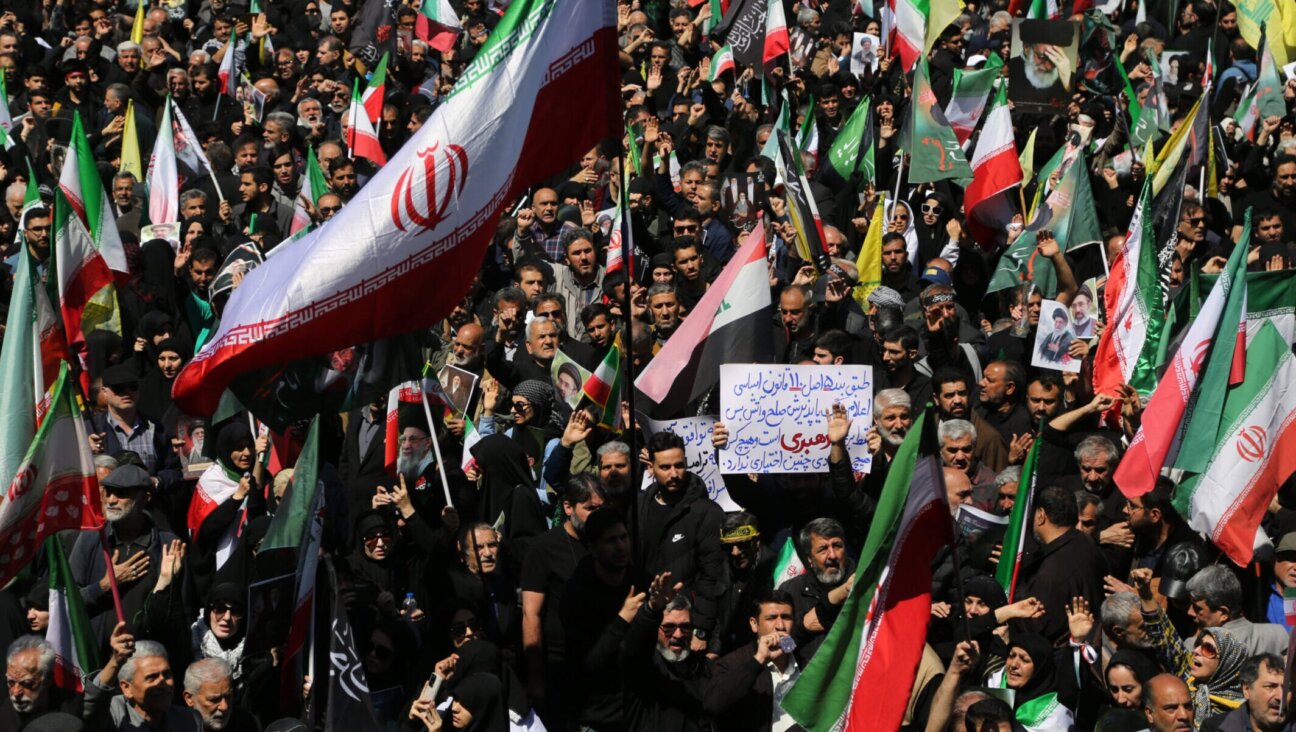
Europe imposed new sanctions on the Islamic Republic this week, targeting trade, energy and shipping, as part of a Western push to force Iran to make concessions over the nuclear work.
In a statement after a regular two-day summit, EU leaders said Iran was in “flagrant violation” of nuclear non-proliferation rules but that if it moved to comply the sanctions could be lifted.
“The Iranian regime can act responsibly and bring sanctions to an end,” they said. “But as long as it does not do so, the EU remains determined to increase, in close coordination with international partners, pressure on Iran.”
Western governments hope to restart diplomacy with Iran after the Nov. 6 U.S. election, diplomats say, after the failure of three rounds of talks this year. But they are wary of allowing diplomacy to resume without meaningful results.
A solution is increasingly urgent as Israel, widely seen as the Middle East’s only nuclear power, threatens air strikes against Iranian nuclear installations, a move that could spark a new war in the region.
Tehran denies it is seeking nuclear weapons and says its atomic work is for peaceful purposes only.
Sanctions have made it harder for Iran to sell and transport its oil and have likely contributed to a crash in the currency and soaring inflation, but Tehran has shown no sign of backing down on the nuclear work which it says is its sovereign right.
This is a moment of great uncertainty. Here’s what you can do about it.
We hope you appreciated this article. Before you go, we’d like to ask you to please support the Forward’s independent Jewish news this Passover. All donations are being matched by the Forward Board - up to $100,000.
This is a moment of great uncertainty for the news media, for the Jewish people, and for our sacred democracy. It is a time of confusion and declining trust in public institutions. An era in which we need humans to report facts, conduct investigations that hold power to account, tell stories that matter and share honest discourse on all that divides us.
With no paywall or subscriptions, the Forward is entirely supported by readers like you. Every dollar you give this Passover is invested in the future of the Forward — and telling the American Jewish story fully and fairly.
The Forward doesn’t rely on funding from institutions like governments or your local Jewish federation. There are thousands of readers like you who give us $18 or $36 or $100 each month or year.

Support our mission to tell the Jewish story fully and fairly.