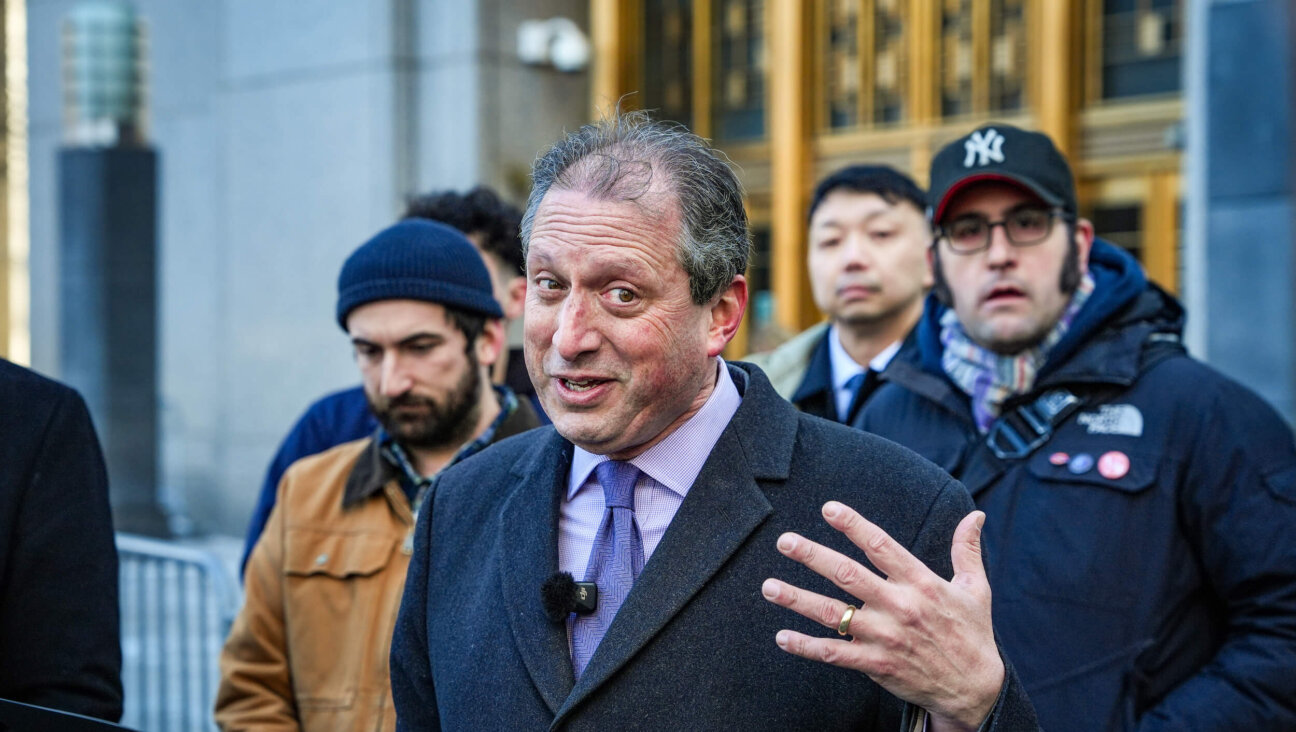
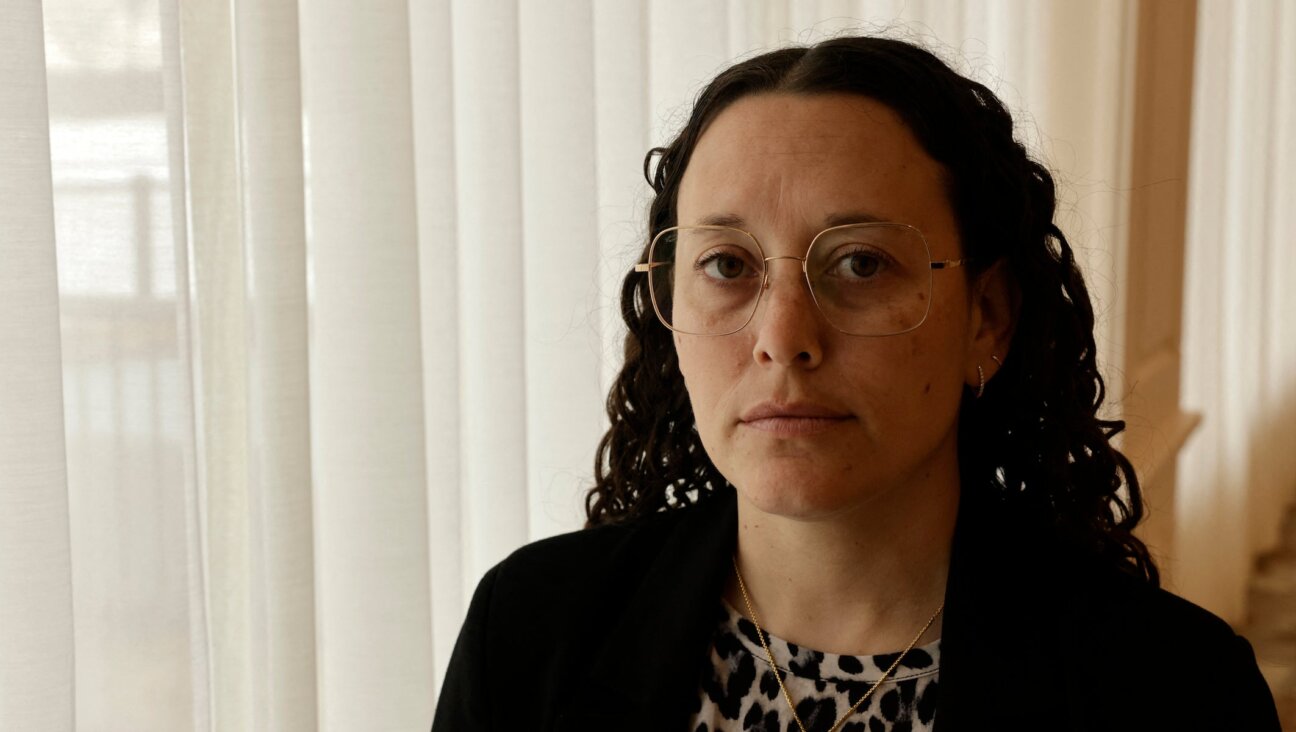
Brad Sherman
Graphic by Angelie Zaslavsky
Brad Sherman is a survivor. Left for dead in the fiercest Jewish political battle of the 2012 election cycle, the 58-year-old California Democratic Congressman defied a fundraising deficit and an embarrassing viral video to pull off a convincing victory over his foe Howard Berman.
Sherman shouldn’t have had to fight for his spot in Congress. First elected in 1997, the California Jewish congressman was a Democrat in Democrat-controlled Los Angeles district. But with the nationwide redrawing of district lines, Sherman found himself fighting for his political life against fellow Democrat Berman.
Berman, who had served in Congress since 1983, represented a district that now overlapped with Sherman’s. The former allies found themselves head- to-head in one of the most heated campaigns of the year.
The tone of the campaigns grew increasingly bitter in early fall, as the two candidates traded allegations of unethical conduct and fiscal impropriety. The tension seemed to get to Sherman in particular. In October, the congressman actually grabbed Berman’s shoulder in the middle of a debate at a California college, seemingly challenging him to a fight.
“You want to get into this?” Sherman cried. Berman didn’t, and the incident ended — though the Berman campaign made sure it wasn’t forgotten.
Beyond the damage his temper caused, Sherman also suffered from a decision by pro-Israel donors to side with his opponent. Experts said this was because of a perception that the older congressman had more D.C. clout.
Despite all this, however, Sherman won handily on Election Day. Now he’s headed back to Washington, where he could replace Berman as one of the most visible Jewish Democrats in the House.
This is a moment of great uncertainty. Here’s what you can do about it.
We hope you appreciated this article. Before you go, we’d like to ask you to please support the Forward’s independent Jewish news. All donations are still being matched by the Forward Board - up to $100,000 until April 24.
This is a moment of great uncertainty for the news media, for the Jewish people, and for our sacred democracy. It is a time of confusion and declining trust in public institutions. An era in which we need humans to report facts, conduct investigations that hold power to account, tell stories that matter and share honest discourse on all that divides us.
With no paywall or subscriptions, the Forward is entirely supported by readers like you. Every dollar you give is invested in the future of the Forward — and telling the American Jewish story fully and fairly.
The Forward doesn’t rely on funding from institutions like governments or your local Jewish federation. There are thousands of readers like you who give us $18 or $36 or $100 each month or year.

Support our mission to tell the Jewish story fully and fairly.