Bruce Lee Was Jewish?

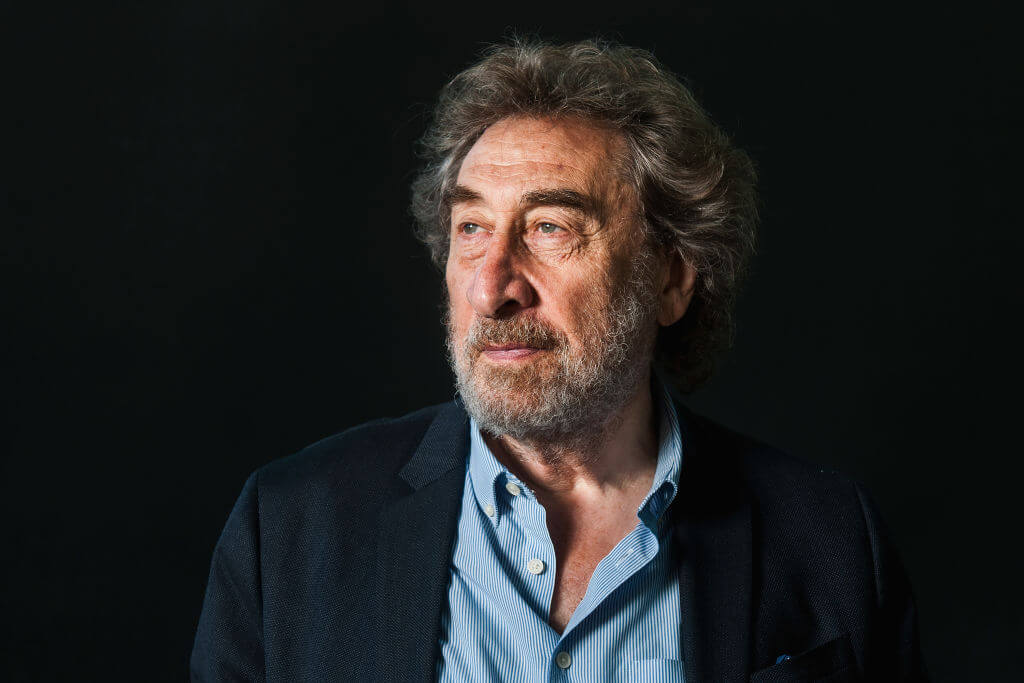
Bruce Lee Image by Getty Images
Was Bruce Lee really Jewish? The new Bruce Lee biography, “Bruce Lee: A Life”, comes with a few surprising revelations. Written by Matthew Polly and published on June 5, 2018 by Simon & Schuster “Bruce Lee: A Life” is the monumental new biography of the martial arts film star and cultural icon. Brice Lee was named by TIME magazine as one of the 100 most influential people of the 20th century, was descended from a Jewish butcher in Rotterdam, Holland.
It was long known that Bruce Lee had European ancestry and Lee himself believed that he was part German. In fact, early in his life in Hong Kong, Bruce Lee faced discrimination by other martial arts students who refused to train with him because he wasn’t of “pure” Chinese descent.
It was long known that Lee had European ancestry; Lee himself believed that he was part German. And in fact, early in his life in Hong Kong, he faced discrimination by other martial arts students who refused to train with him because he wasn’t “pure” Chinese.
Polly, however, has dug up the truth about Lee’s maternal great grandfather Mozes Hartog Bosman. Bosman was born into a Dutch Jewish family of German descent and was the son of a kosher butcher in Rotterdam. Deciding the life of a “shochet” was not for him, Bosman boarded a ship heading east, where he eventually wound up as the Dutch ambassador to Hong Kong. As was the practice during the time, Bosman bought himself a Chinese concubine, with whom he had six children. When he later went bankrupt, however, Bosman abandoned them, moved to California, changed his name, remarried and never looked back.
Meanwhile, back in Hong Kong, Bosman’s six sons grew up to become the richest men in Hong Kong. (I leave it to you, dear reader, to decide if this was due to their Jewsih minds / “yidishe kops”.) Bruce Lee’s grandfather, Ho Kom Tong, was so rich that he had a wife, a secret British mistress, 13 concubines and 30 children. One of children was named Grace Ho who married a famous Cantonese opera actor, Li Hoi Chuen. The two had five children, the fourth of whom was named Bruce.
Actually, he was originally named Lee Jun-fan. “Bruce Lee” was the name he adopted when he returned to the land of his birthplace at age 18 to attend the University of Washington in Seattle, where he studied acting. Back in Hong Kong, Lee had been a child actor. by the time Bruce Lee was 18, he had already appeared in 20 films.
Lee’s first big break in Hollywood was being cast as Kato, the Asian sidekick to the title character in the TV show “The Green Hornet.” The show lasted only one season, but it led to more work in similar roles that drew upon Lee’s expertise in martial arts.
The Fred Weintraub produced film “Enter the Dragon,” was a huge commercial success. This Bruce Lee martial arts film sparked the kung fu craze of the early 1970s, including the hit song “Kung Fu Fighting” and the TV series, “Kung Fu.” Sadly, Lee, never lived to see his greatest commercial success. A week before Enter the Dragon was released to the movie screens, Bruce Lee died as a result of an allergic reaction to a painkiller.
As part of the publicity campaign for Polly’s book, the publishers have made a promotional video touting Bruce Lee’s Jewish ancestry. Since this article is appearing in the Forward and since you’ve read this far, it appears to be working.
Seth Rogovoy is a contributing editor at the Forward.
This is a moment of great uncertainty. Here’s what you can do about it.
We hope you appreciated this article. Before you go, we’d like to ask you to please support the Forward’s independent Jewish news this Passover. All donations are being matched by the Forward Board - up to $100,000.
This is a moment of great uncertainty for the news media, for the Jewish people, and for our sacred democracy. It is a time of confusion and declining trust in public institutions. An era in which we need humans to report facts, conduct investigations that hold power to account, tell stories that matter and share honest discourse on all that divides us.
With no paywall or subscriptions, the Forward is entirely supported by readers like you. Every dollar you give this Passover is invested in the future of the Forward — and telling the American Jewish story fully and fairly.
The Forward doesn’t rely on funding from institutions like governments or your local Jewish federation. There are thousands of readers like you who give us $18 or $36 or $100 each month or year.
Support our mission to tell the Jewish story fully and fairly.