Charles Grodin was a curmudgeon with a gooey center
A new documentary shows how the late actor used his celebrity for good
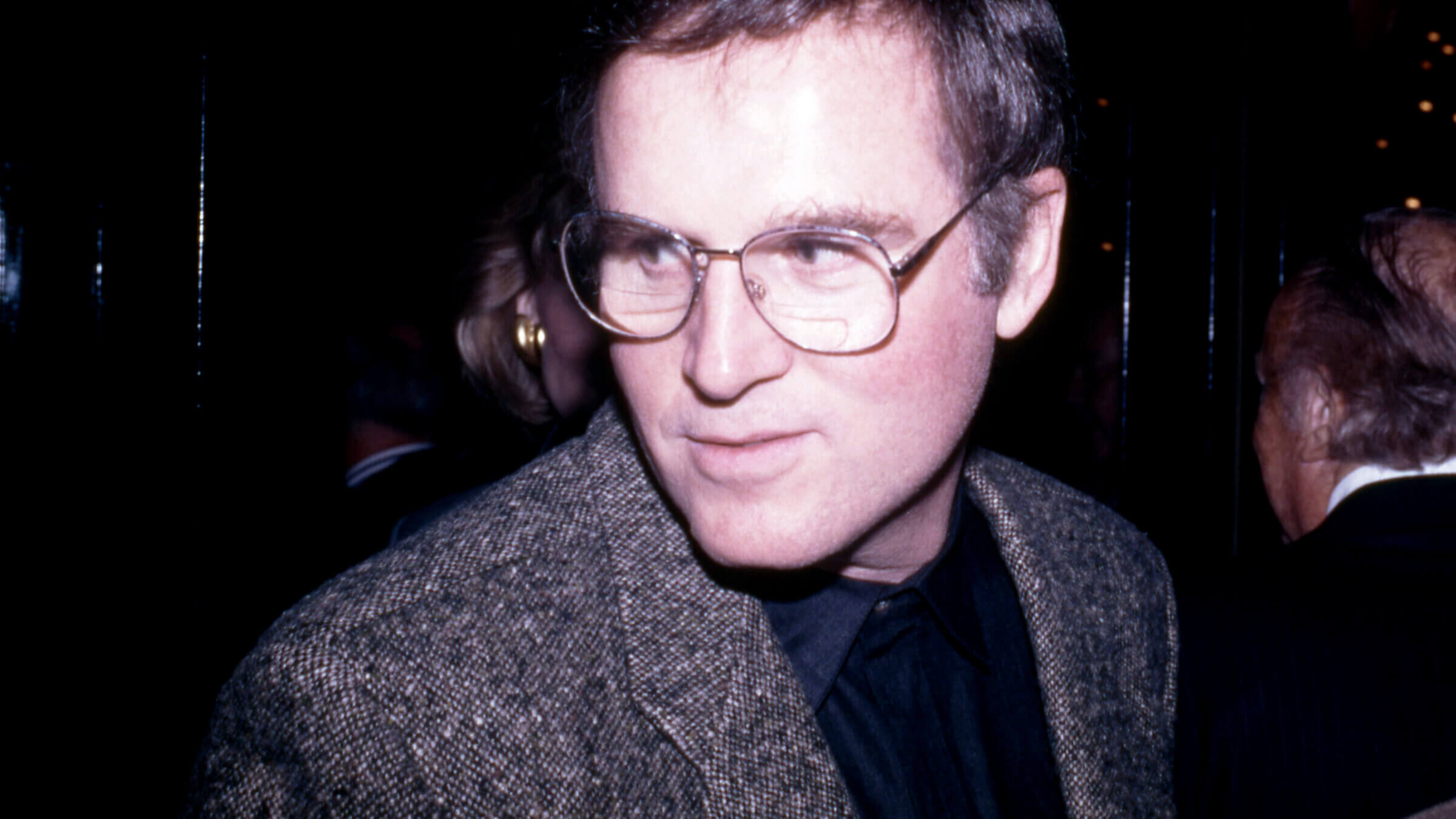
Charles Grodin in 1988. Photo by Oscar Abolafia/TPLP/Getty Images

By PJ Grisar January 12, 2026
It’s fair to say Charles Grodin, star of stage, screen and radio, had a reputation for being difficult. At times he seemed to relish it.
A new documentary, Charles Grodin: Rebel with a Cause, contends that his disruptive behavior went all the way back to Hebrew school days. Young Chuck was reportedly ousted from the classroom for having the temerity to ask what the Hebrew words they were singing meant. Thankfully his grandfather was a Talmudic scholar — so an authority on arguments — and coached him for his bar mitzvah.
“But at the bar mitzvah something happened that might have had a lot to do with what triggered a show business career,” Grodin recalls in an archival interview: He got a round of applause.
It’s perhaps a canned bit of mythmaking, but it also flies in the face of his public persona.
Grodin often seemed to chase jeers, playing a string of eminently unlikeable leading men (Elaine May remembers people booing him in a Q&A for The Heartbreak Kid, a film that produced the headline “You’ll Hate Him, Love the Movie”). He later earned the enmity of late-night audiences for being a combative guest on Johnny Carson and David Letterman. He carefully honed the curmudgeon shtick, even as he made a socially conscious pivot to journalism on MSNBC and 60 Minutes 2.
But the documentary by longtime Grodin fan James L. Freedman, his third after one on Carl Laemmle and another on sportscaster Marty Glickman, makes a compelling case for the actor as a softie, who teared up between takes when he had to be cruel to his co-stars, and a crusader for criminal justice reform who spent nearly every weekend in Bedford Hills Correctional Facility meeting with women convicted under the draconian Rockefeller drug laws. (When the law was reformed, Governor George Pataki personally recognized Grodin’s work on the matter.)
This is a kind of unapologetic hagiography. The film begins with a quote from Robert F. Kennedy about “ripples of hope,” then announces that “Charles Sidney Grodin, inspiring, cajoling and annoying people every step of the way unleashed a tidal wave of hope.” But the proof Grodin’s mensch credentials emerges with the interviewees, many of whom are gets for anyone.
Elaine May sat for an interview (Freedman produced Cybill, with Cybill Shepherd, Grodin’s co-star in May’s Heartbreak Kid — interestingly Shepherd herself does not appear). Alan Arkin zoomed in and Robert De Niro — whose reputation as a difficult interview is not just an act — was happy to reminisce about Midnight Run. Steve Martin, Martin Short, Art Garfunkel, Paul Simon, Marc Maron, Ellen Burstyn and Carol Burnett — over the phone — all sing the praises of the man who brought his lawyer on Letterman.
Letterman, sadly, is absent, perhaps keeping the bit of their troubled dynamic going.
Grodin was prickly. His Hebrew school challenge to authority didn’t end there. He would later ask Uta Hagen why so much of her instruction emphasized invisible luggage and, in his first role in a major film in Rosemary’s Baby, he questioned Roman Polanski’s direction. (Grodin was a director himself, and there’s an interesting section on his work for the 1969 Simon and Garfunkel TV special, which southern markets objected to because it showed school integration.)
The film, which goes to great lengths in voiceover to explain things the target audience likely already knows — Gene Wilder was a major movie star; Nichols and May were a legendary comedy duo; a telegram was “kinda like a hand-delivered text” — is at its best as a highlight reel.
Grodin’s all-too-composed or just-on-the-verge performances still impress, and learning how many moments he improvised (e.g. asking De Niro if he ever had sex with an animal) will give you a greater appreciation for his craft.
The film’s departure into Grodin’s social justice work, beginning in the 1990s, is moving, if overscored to make you weepy. (One of the talking heads on the subject of the unjust felony murder rule could have done better without the chyron “social activist / producer The Hangover movies.”)
His advocacy for the unhoused and the wrongfully convicted are an important part of Grodin’s legacy, but Freedman, who divides his film with uninspired title cards like “I’ll never forget that,” could better connect this impulse with that of Grodin as gadfly.
Given the film’s inclusion at Jewish film festivals, you’d think someone could make explicit that at Grodin’s core was a Jewish tendency to argue, refusing to remain silent when he felt something was wrong — be it a directing choice or a systemic miscarriage of justice disproportionately affecting people of color.
With this documentary Grodin, ever a kochleffel, possibly a tzadik, can be appreciated as a humanitarian, but it’s perhaps a better tribute to pop on Clifford, Real Life or even Beethoven. Wherever he is, he’ll surely hold for applause.
James L. Freedman’s Charles Grodin: Rebel with a Cause is playing at the New York Jewish Film Festival beginning Jan. 14. Tickets and more information can be found here.
This is a moment of great uncertainty. Here’s what you can do about it.
We hope you appreciated this article. Before you go, we’d like to ask you to please support the Forward’s independent Jewish news this Passover. All donations are being matched by the Forward Board - up to $100,000.
This is a moment of great uncertainty for the news media, for the Jewish people, and for our sacred democracy. It is a time of confusion and declining trust in public institutions. An era in which we need humans to report facts, conduct investigations that hold power to account, tell stories that matter and share honest discourse on all that divides us.
With no paywall or subscriptions, the Forward is entirely supported by readers like you. Every dollar you give this Passover is invested in the future of the Forward — and telling the American Jewish story fully and fairly.
The Forward doesn’t rely on funding from institutions like governments or your local Jewish federation. There are thousands of readers like you who give us $18 or $36 or $100 each month or year.
Support our mission to tell the Jewish story fully and fairly.