Ethiopian-Israeli mom of 7 could be the next New Yorker in Congress
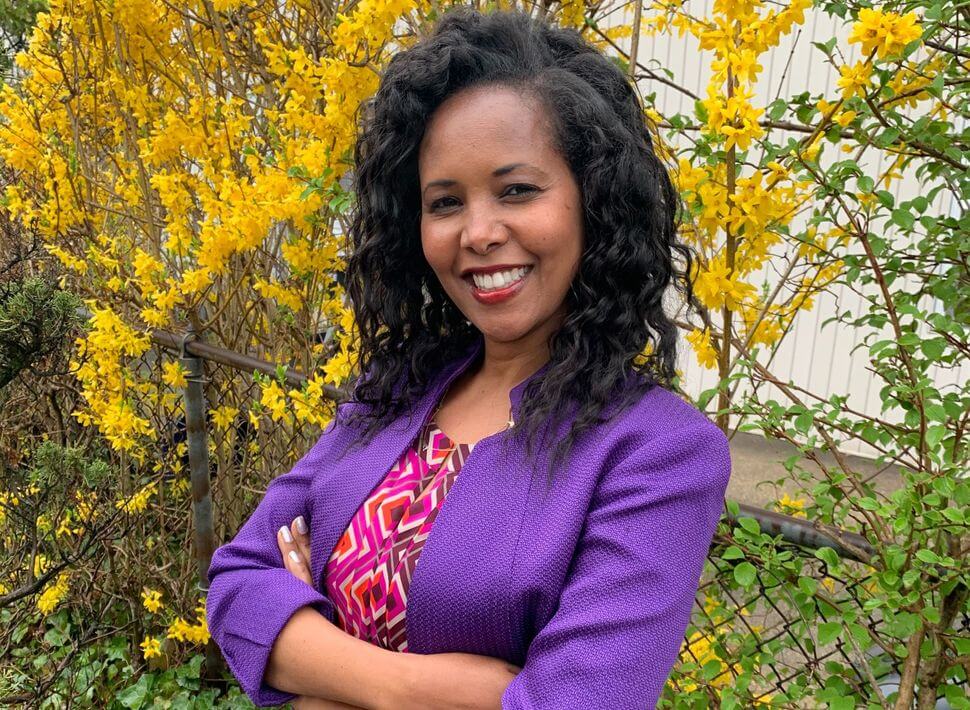
Mazi Melesa Pilip, an Ethiopian-born Orthodox Jewish county legislator, will vie for former US Rep. George Santos’ seat
Graphic by Angelie Zaslavsky

By Jacob Kornbluh December 14, 2023
The Republican Party, fighting to retain a swing seat and maintain its majority in the U.S. House, has reportedly picked a Jewish legislator with a compelling personal story to run for the seat left empty by the expulsion of former Rep. George Santos.
Mazi Melesa Pilip — an Ethiopian-born Orthodox Jewish county legislator, former Israeli army paratrooper and mother of seven — unseated a four-term Democrat in her first run for public office in 2021. Despite her limited political experience, Republicans see Pilip, 44, as a strong candidate in the Long Island, New York, district, which a Democrat comfortably won in 2020 and Santos, a Republican, took in 2022.
Santos falsely claimed to be a “proud American Jew” during his run and lied about his grandparents fleeing anti-Jewish persecution during World War II.
A special election will be held on Feb. 13, against the backdrop of the Israel-Hamas war and rising antisemitism.
GOP leaders settled Pilip after a thorough vetting, mindful of how poorly Santos was vetted before his race. They chose her despite the fact, as Politico reported last week, that she is still a registered Democrat — though she has twice run and won as a Republican. She will formally launch her campaign on Friday.

Born in Ethiopia, Pilip was evacuated to Israel with her family when she was 12 during Operation Solomon in 1991, in which Israel covertly transported more than 14,000 Jews in 36 hours. She went on to serve in the Israeli army as a paratrooper for nearly two years.
Democrats nominated former Rep. Tom Suozzi to run for the seat. He retired from Congress in 2020 to run for governor. Suozzi has deep ties with the Jewish community. He served as Nassau County executive before succeeding former Rep. Steve Israel, who is Jewish, following his retirement in 2016. Suozzi was vice-chair of the Problem Solvers Caucus, which is evenly split between Democrats and Republicans, and in his first House floor speech spoke of his support for Israel. He often uses Yiddish and Hebrew terms when engaging with Jews.
The district remains a toss-up, according to the Cook Political Report, and Jewish voters — an estimated 13% of the electorate — are likely to play a role in electing the next representative.
Whoever wins the February contest will hold the seat for less than a year unless they can win again in the regular election in November.
Why I became the Forward’s editor-in-chief
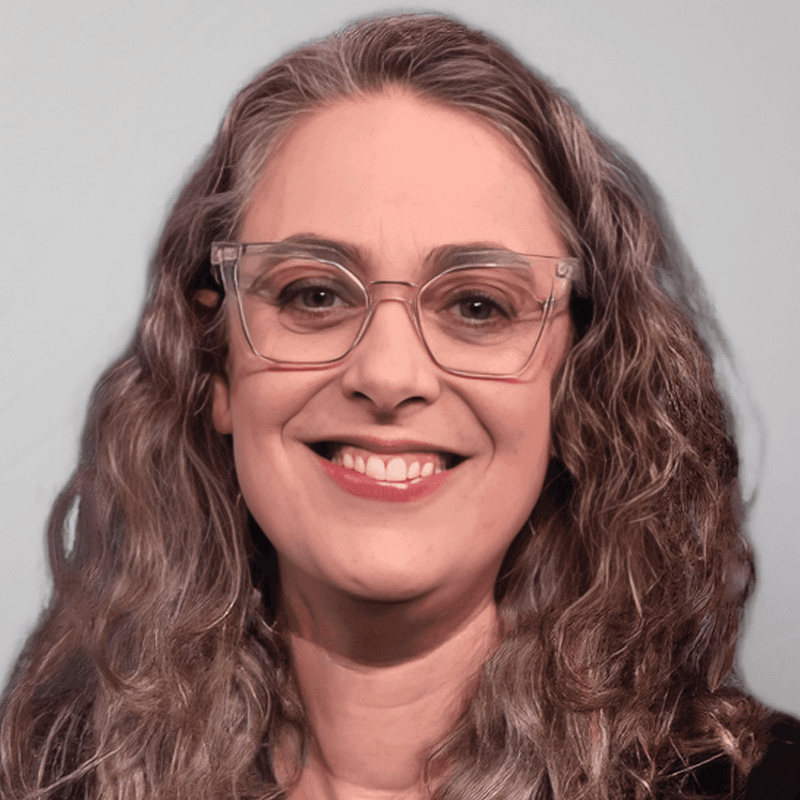
You are surely a friend of the Forward if you’re reading this. And so it’s with excitement and awe — of all that the Forward is, was, and will be — that I introduce myself to you as the Forward’s newest editor-in-chief.
And what a time to step into the leadership of this storied Jewish institution! For 129 years, the Forward has shaped and told the American Jewish story. I’m stepping in at an intense time for Jews the world over. We urgently need the Forward’s courageous, unflinching journalism — not only as a source of reliable information, but to provide inspiration, healing and hope.
— Alyssa Katz, editor-in-chief
Support our mission to tell the Jewish story fully and fairly.