Mamdani to attend Passover Seder as he navigates ties with Jewish groups amid rising antisemitism
The annual Passover event, blending art and activism, will benefit Seeds of Peace, a nonprofit supporting youth leadership and dialogue in conflict regions
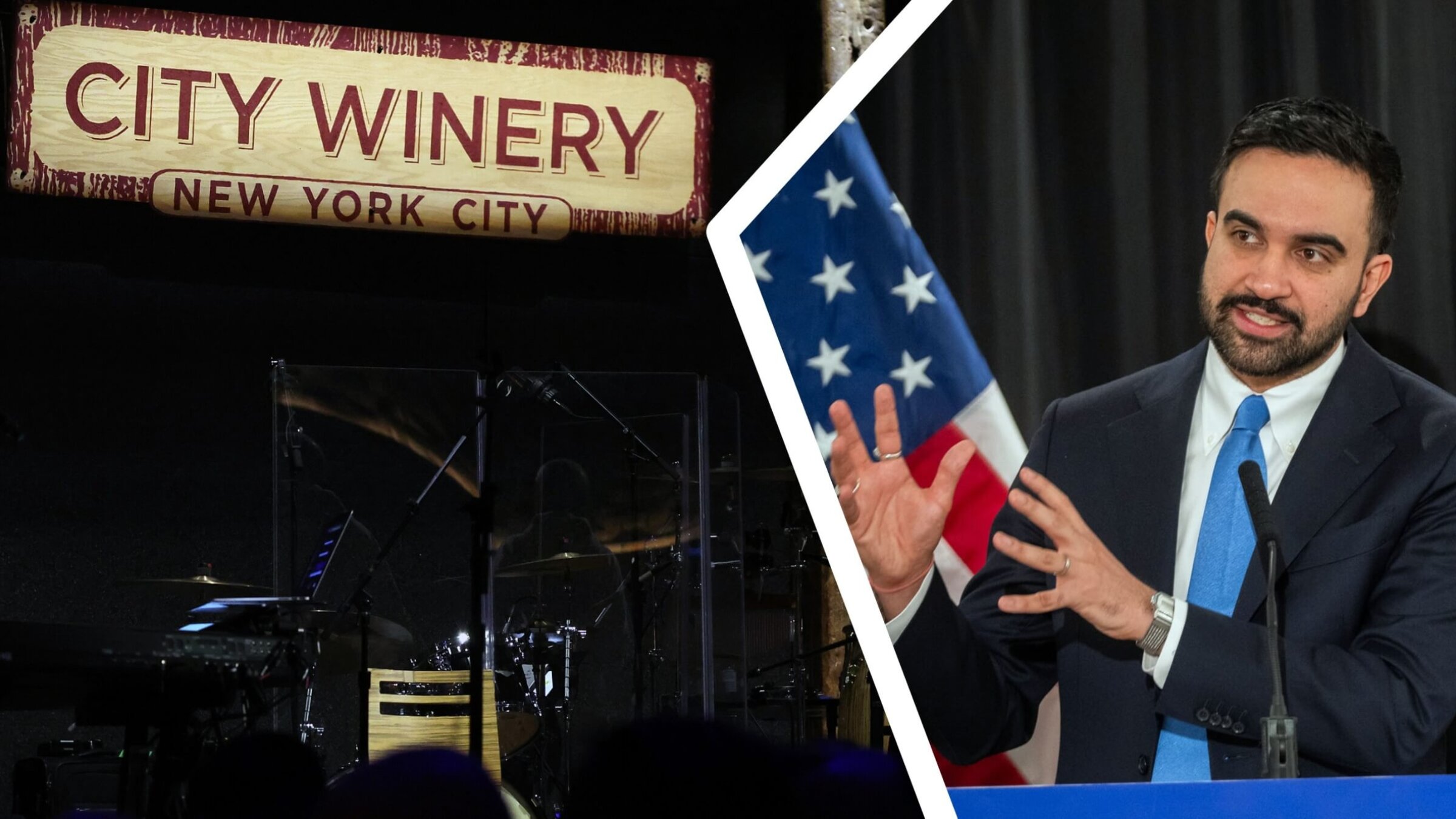
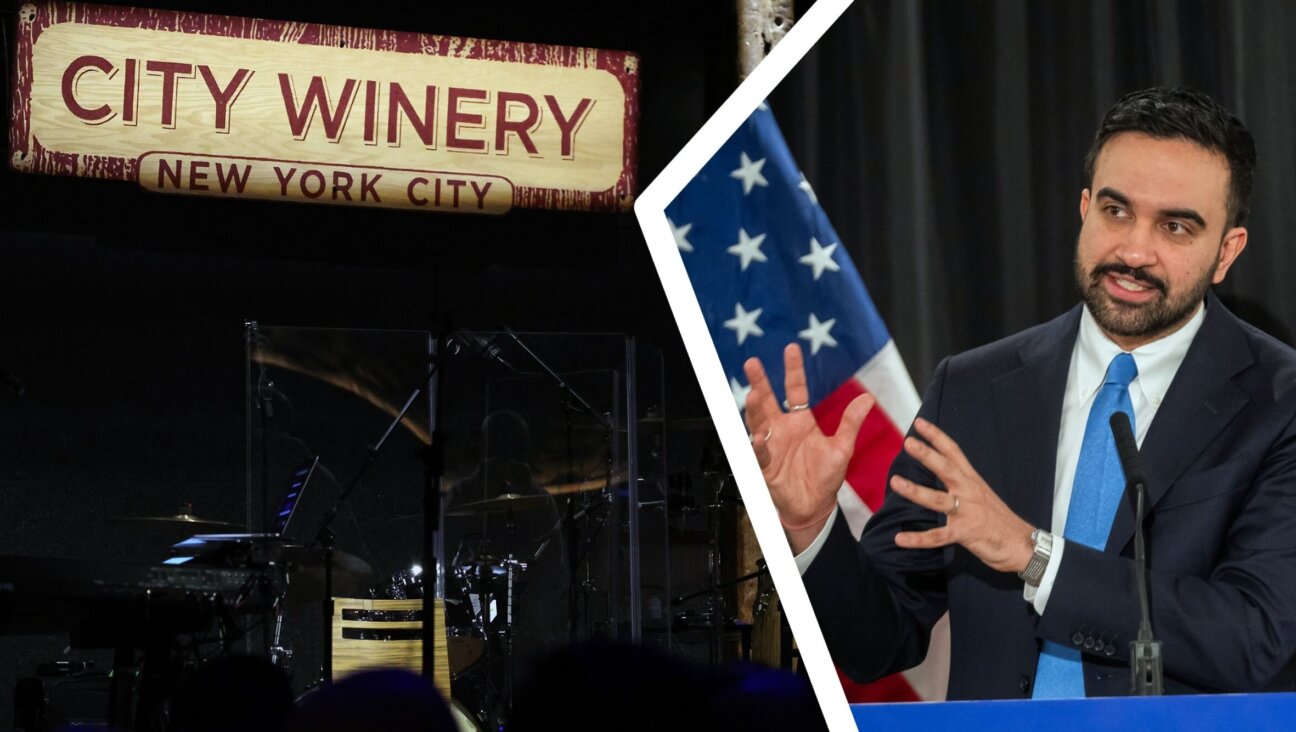
Collage photo of the City Winery in New York City and Mayor Zohran Mamdani Photo by Al Pereira/Getty Images and Ed Reed/Mayoral Photography Office

By Jacob Kornbluh March 29, 2026
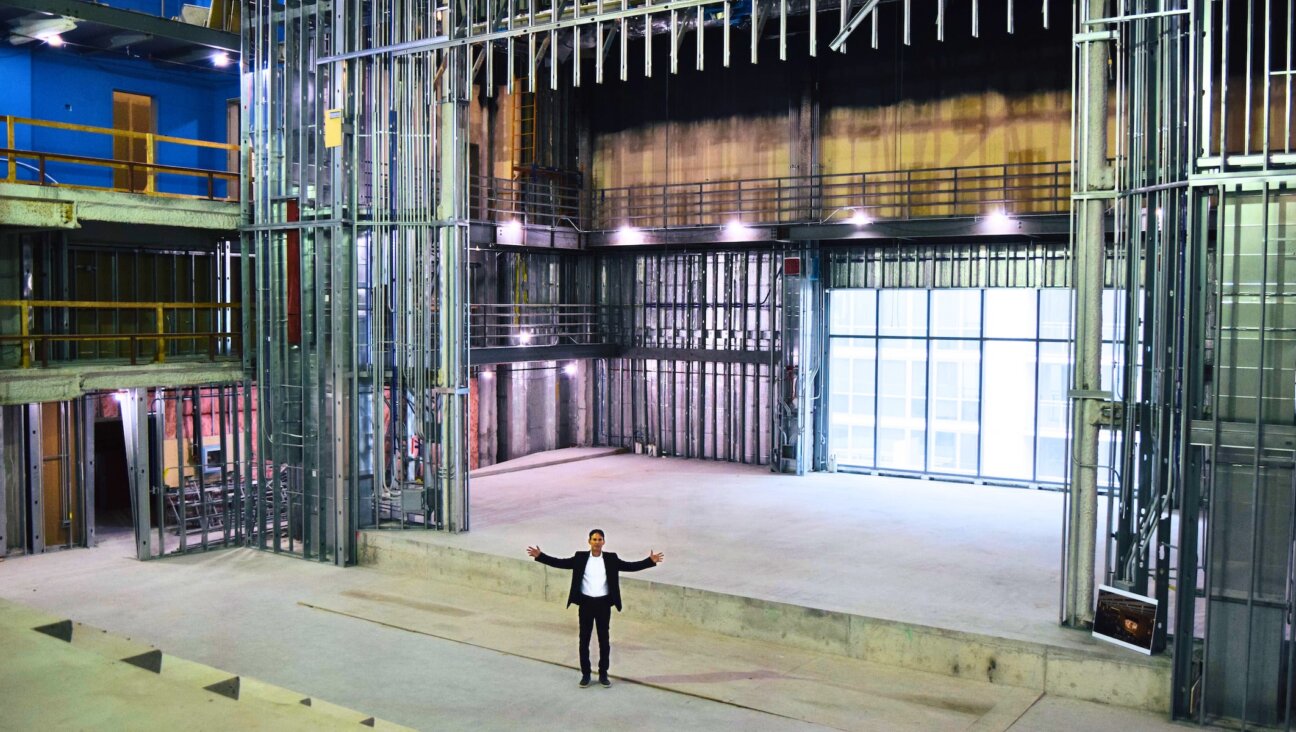
New York City Mayor Zohran Mamdani is set to attend a Passover Seder on Monday night at the City Winery in Manhattan, stepping into a decades-old cultural tradition that doubles as a symbolic test of his relationship with the city’s Jewish community.
Mamdani is slated to appear alongside a liberal rabbi, an Israeli musician and an observant comedian at the annual Downtown Seder hosted by nightlife impresario and entrepreneur Michael Dorf. All net proceeds from the event will be donated to Seeds of Peace, a New York-based nonprofit founded in 1993 that helps young people from conflict regions build leadership skills and engage in dialogue.
Founded in 1991 and held at the East Village’s Knitting Factory and later at the Museum of Jewish Heritage, the Downtown Seder brings together artists, activists and public figures for a contemporary retelling of the Exodus story. Dorf, who is Jewish and launched City Winery in 2008, has described the gathering as a “supplement” to traditional seders. Passover begins Wednesday evening at sundown.
“The Seder is about asking urgent questions — about freedom, responsibility, and how we care for one another,” Dorf said in a statement. “Each year, we bring together voices who challenge, inspire, and reflect the world as it is — and as it could be.”
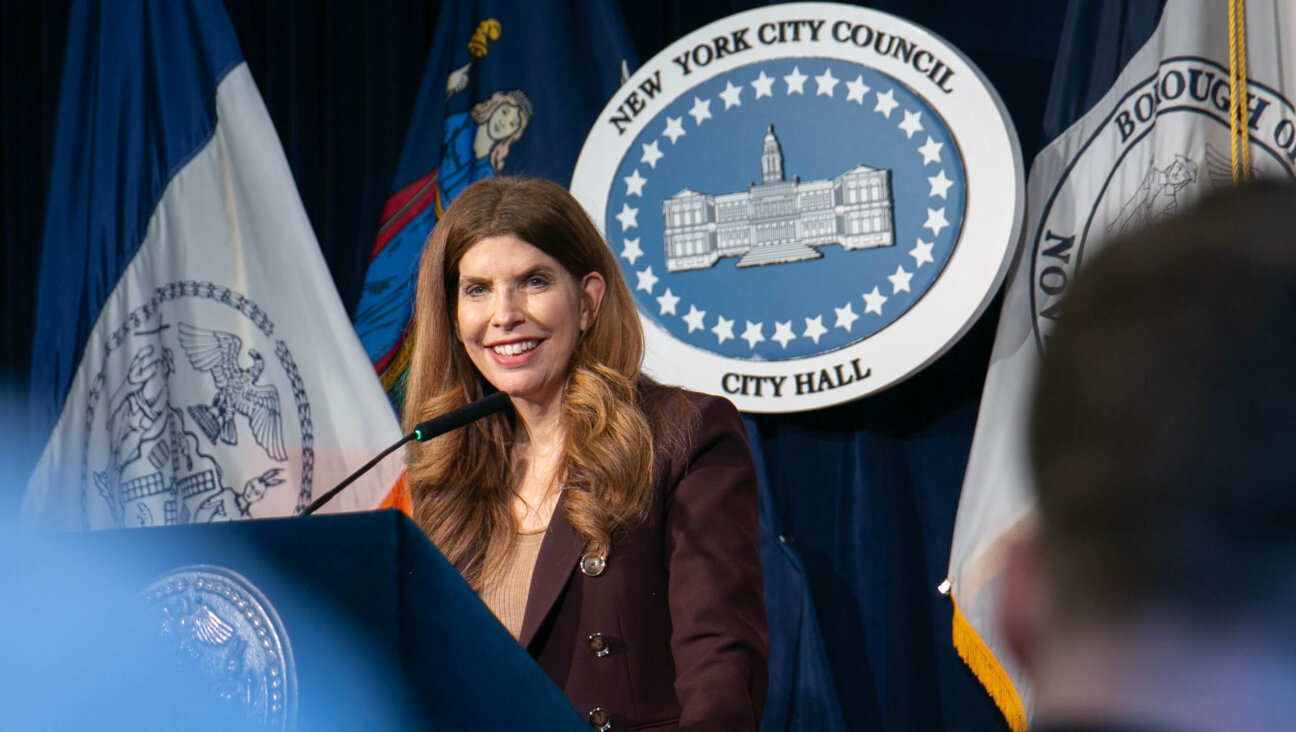
Featured guests this year include former CNN anchor Don Lemon, Israeli musician David Broza, and comedian Modi Rosenfeld. Council Speaker Julie Menin will also attend, a council official confirmed. Former Mayor Eric Adams was the featured guest at the Seder in 2023.
A City Hall spokesperson said Mamdani will also host a private Passover dinner with city workers.
Mamdani’s participation at the Seder on Monday comes at a delicate political moment. A vocal critic of Israel who supports the boycott movement and has declined to recognize Israel specifically as a Jewish state, Mamdani has faced backlash from Zionist Jewish organizations, particularly after revoking executive orders tied to antisemitism and campus protests on his first day in office and his recent refusal to back legislation aimed at curbing disruptive protests outside synagogues and schools.
Reflecting his outreach efforts since taking office, his appearance at the Seder signals an ongoing effort to engage Jewish audiences drawn to themes of justice and coexistence and who are willing to be part of the conversation.
The event that Mamdani will speak at will also feature remarks from Rabbi Amichai Lau-Lavie, a rabbi and human rights activist, who will appear via video from Israel, according to the organizers.
Last week, Mamdani helped load cars with Passover food for Orthodox families at the annual Chasdei Lev distribution event in Brooklyn. He also met with Orthodox businessman Dov Bleich at his office, who showed him a Haggadah dating to the Civil War era in New York.
In his interview with the Forward last April, Mamdani framed the Exodus story as a call for collective liberation struggles. He invoked the biblical story of Moses confronting Pharaoh as a metaphor for present political challenges. “This moment with so many Pharaohs around us — whether they be Donald Trump, ICE or this troubling rise of antisemitism — we must take a lesson from those words of the necessity of not only having our lips not tremble or falter, but that the power in doing this comes in a shared belief in the possible,” Mamdani said. As a candidate, Mamdani attended a Seder hosted by Jews for Racial and Economic Justice.
Jewish politicians mark Passover amid rising antisemitism
Other politicians have also sought to mark Passover in ways that resonate with Jews grappling with rising antisemitism.
Menin co-hosted an interfaith Seder with the Jewish Community Relations Council on Thursday at Tsion Cafe, an Ethiopian Jewish restaurant in Harlem that closed earlier this year, after the owner faced ongoing harassment and vandalism since the Oct. 7 Hamas attack on Israel. “The story of Passover is a story of hope, perseverance, grit and determination for the Jewish community,” Menin said in her remarks. She added that it is symbolic that this year all the major religious holidays — Ramadan, Lent, Easter and Passover — have converged around the same time. “This is what our city needs more of — focused on unity and inclusion,” she said.
Some see Menin’s role as the Council’s first Jewish speaker as a counterweight to Mamdani on Jewish communal issues. On Thursday, the Council passed two bills that direct the NYPD to craft a plan within 45 days for managing protests around houses of worship and schools.
Illinois Gov. JB Pritzker hosted a Seder with Jewish leaders last week at his official residence. Last year, Pritzker, among a handful of Jewish politicians in leadership roles offering the Democratic Party a path forward ahead of the midterm elections, invoked his family’s history and his role in building the Illinois Holocaust Museum & Education Center to criticize President Donald Trump’s policies, comparing them to authoritarian tactics.
Pennsylvania Gov. Josh Shapiro is set to hold a family Seder at his official residence and will mark the first anniversary of the arson attack on the first night of Passover last year by an intruder, who said he wanted to beat the governor with a sledgehammer over what he claimed was a lack of empathy toward Palestinians. Shapiro has since leaned into his Jewish identity and has spoken out on bipartisan platforms about rising hate-fueled violence.
This is a moment of great uncertainty. Here’s what you can do about it.
We hope you appreciated this article. Before you go, we’d like to ask you to please support the Forward’s independent Jewish news this Passover.
This is a moment of great uncertainty for the news media, for the Jewish people, and for our sacred democracy. It is a time of confusion and declining trust in public institutions. An era in which we need humans to report facts, conduct investigations that hold power to account, tell stories that matter and share honest discourse on all that divides us.
With no paywall or subscriptions, the Forward is entirely supported by readers like you. Every dollar you give this Passover is invested in the future of the Forward — and telling the American Jewish story fully and fairly.
The Forward doesn’t rely on funding from institutions like governments or your local Jewish federation. There are thousands of readers like you who give us $18 or $36 or $100 each month or year.
Support our mission to tell the Jewish story fully and fairly.