Shunning Christmas Is Bad Choice for Jews in Heartland
Graphic by Angelie Zaslavsky
Sarah Seltzer takes aim at Jews who choose to embrace a number of “Christian” traditions. Her guidance is simple: “No trees, no wreaths, no carols, no cookies — unless, of course, they’re fortune cookies.”
As a firmly rooted Jew, I took offence to Seltzer’s, and I worry about what they imply. It seems that for Seltzer, there are only two routes Jews tend to take with regard to Christmas: We either embrace the “cultural and religious hegemony” not our own, or we excuse ourselves and enter a 24-hour, anti-Christmas hibernation.
These are, however, far from the only two ways Jews can and should engage with Christmas.
I have spent every Christmas season of my life in my hometown of Rochester, Minn. In Rochester, Christmas-related happenings start ramping up just after Thanksgiving. The downtown is beautifully decorated with lights and wreaths, Christmas music takes over the airways, and sales start popping up all around town.
Christmas might well symbolize a “cultural and religious hegemony,” though I’m not sold on the “extreme cultural exclusion” that supposedly goes along with it. In a town like Rochester of 100,000 people with no more than 500 Jews, it’s impossible not to engage with Christmas. When people wish me a Merry Christmas, I wish them one back; I don’t launch into a tirade narrating the cultural oppression I feel when someone assumes that I celebrate a birth on December 25.
The fact is, I think Christmas lights are pretty. I gobble down the holiday cookies that my mother’s coworkers give to my family. I know all the words to ‘Jingle Bells,’ and make no qualms about it.
Are we to assume that those non-Jews living in Israel should avoid sufganiot at all costs over Hanukkah?
I don’t celebrate Christmas, at all. But should I really be taking my time during the holiday season to seclude myself rather than open myself to what my peers experience? Seltzer argues that Christmas, at least in America, creates a boundary between “us” and “them.” But I ask: why try to widen it?
Perhaps we can take time this year to learn more about our Christian neighbors. Asking simple questions like, “What makes this holiday special for you?” or “What do you do in church?” are good places to start. I know if someone asked me about Rosh Hashanah or Yom Kippur, I know I’d have much to say.
Not wishing to define ourselves by those around us is noble. But when we all go eat Chinese food and take in a film on the 25th of December, are we indeed sticking it to Jesus? Or are we defining our own traditions through him?
Max Edwards is studying for a Masters of Theological Studies with a focus in Jewish Studies at Harvard Divinity School.
Why I became the Forward’s Editor-in-Chief
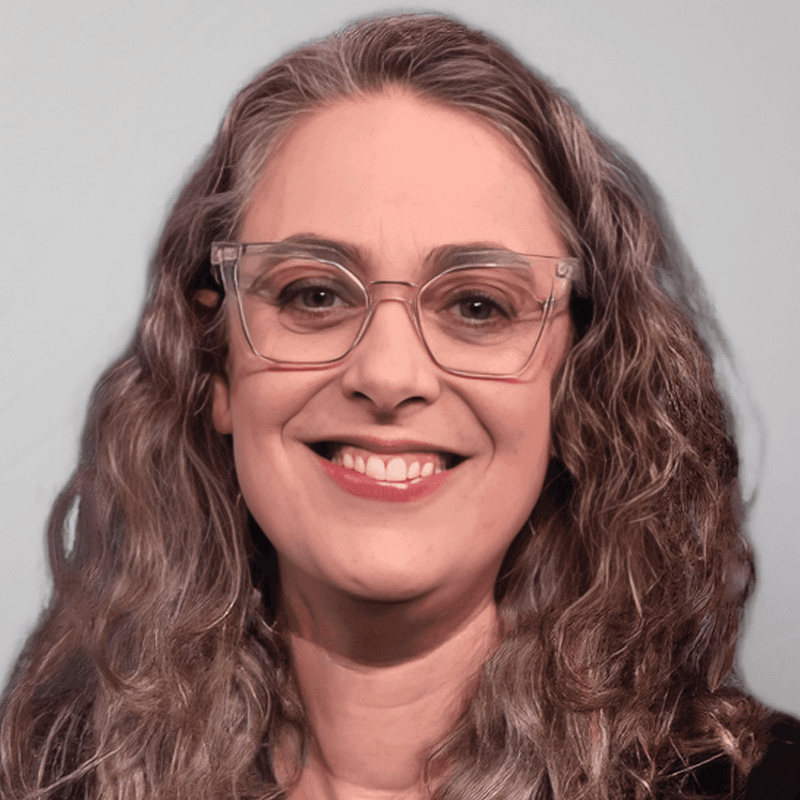
You are surely a friend of the Forward if you’re reading this. And so it’s with excitement and awe — of all that the Forward is, was, and will be — that I introduce myself to you as the Forward’s newest editor-in-chief.
And what a time to step into the leadership of this storied Jewish institution! For 129 years, the Forward has shaped and told the American Jewish story. I’m stepping in at an intense time for Jews the world over. We urgently need the Forward’s courageous, unflinching journalism — not only as a source of reliable information, but to provide inspiration, healing and hope.
Support our mission to tell the Jewish story fully and fairly.