Master Clarinetist German Goldenshteyn Dies of Heart Attack at 71
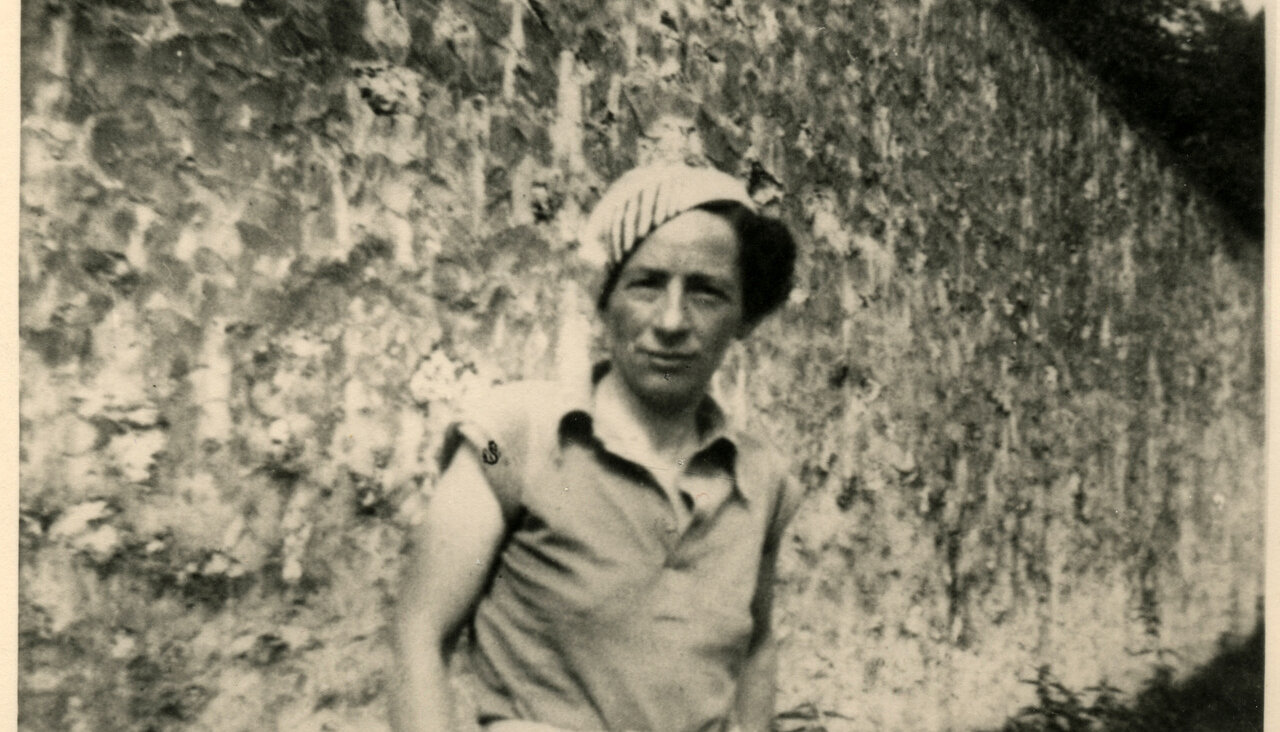
German Goldenshteyn, a master clarinetist from Otaci, Romania, who inspired a generation of young klezmer musicians worldwide to perform his traditional Bessarabian Jewish repertoire, died of a heart attack June 10 in Brooklyn. He was 71.
Goldenshteyn was a popular teacher and performer at such Yiddish folk arts programs as KlezKamp and KlezKanada. He had been a featured artist of the Center for Traditional Music and Dance’s Soviet Jewish Project, titled “Nashi Traditsii” (“Our Traditions”), from 1998 to 2002, and at workshops organized by the New England Conservatory of Music and Poland’s Borderland Foundation. He was scheduled to appear this summer at the Jewish Culture Festival in Krakow, Poland, as well as at workshops in Weimar, Germany.
Through his relationship with noted klezmer musicians/ researchers Michael Alpert and Jeffrey Wollock, Goldenshteyn shared a repertoire of more than 800 songs that he had transcribed by hand in notebooks he brought from Mogilev Podolsk, a Ukrainian town across the border from Otaci. Goldenshteyn’s transcriptions represent one of the largest collections ever of a European klezmer musician, and they are an invaluable resource for performers and scholars of the music.
At the time of Goldenshteyn’s death, Living Traditions had just released a recording of him performing his Bessarabian Jewish repertoire. A second CD produced by Michael Alpert with Frank London also will be released in the near future.
Born in 1934, Goldenshteyn was interned in the Romanian/Nazi ghettos in Bershad and Mogilev from 1941 to 1943. In 1943, the Romanian Red Cross took the orphaned Goldenshteyn and his brothers to orphanages in Romania, where they managed to survive the Holocaust. After attending military music school in Odessa, Goldenshteyn performed in Red Army bands from 1953 to 1956. He worked as a machinist, technical writer and professional musician in Mogilev Podolsk, performing at Jewish and non-Jewish weddings until he immigrated to Brooklyn in 1994.
Goldenshteyn is survived by his wife, Mina, herself a celebrated master of Bessarabian and Ukrainian Jewish culinary arts; a daughter, Klava Rozentul; her husband, Borya, and a grandson, Alex.
Did you know that only 2% of Forward readers donate to support our nonprofit newsroom? That 2% make it possible for millions to read the Forward without a paywall or subscription — removing any barriers to the full and fair Jewish story.
But while the Forward is free to read, it isn’t free to produce. Big stories — like deep dives into the antisemitism data, political scoops or reporting trips to college campuses — take months of research and fact-checking. All while we keep you informed of what you need to know each day.
— Rachel Fishman Feddersen, Forward Publisher & CEO
Support our mission to tell the Jewish story fully and fairly.