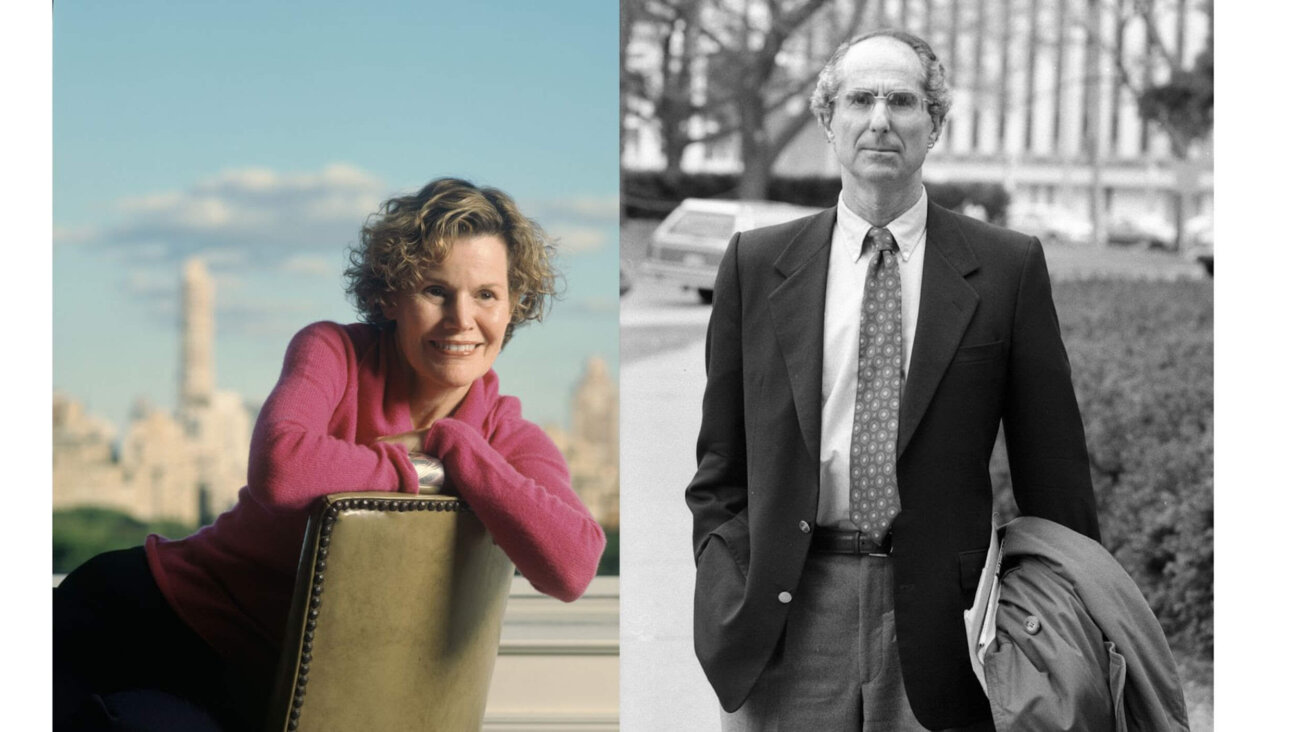
Jill Abramson
Graphic by Angelie Zaslavsky
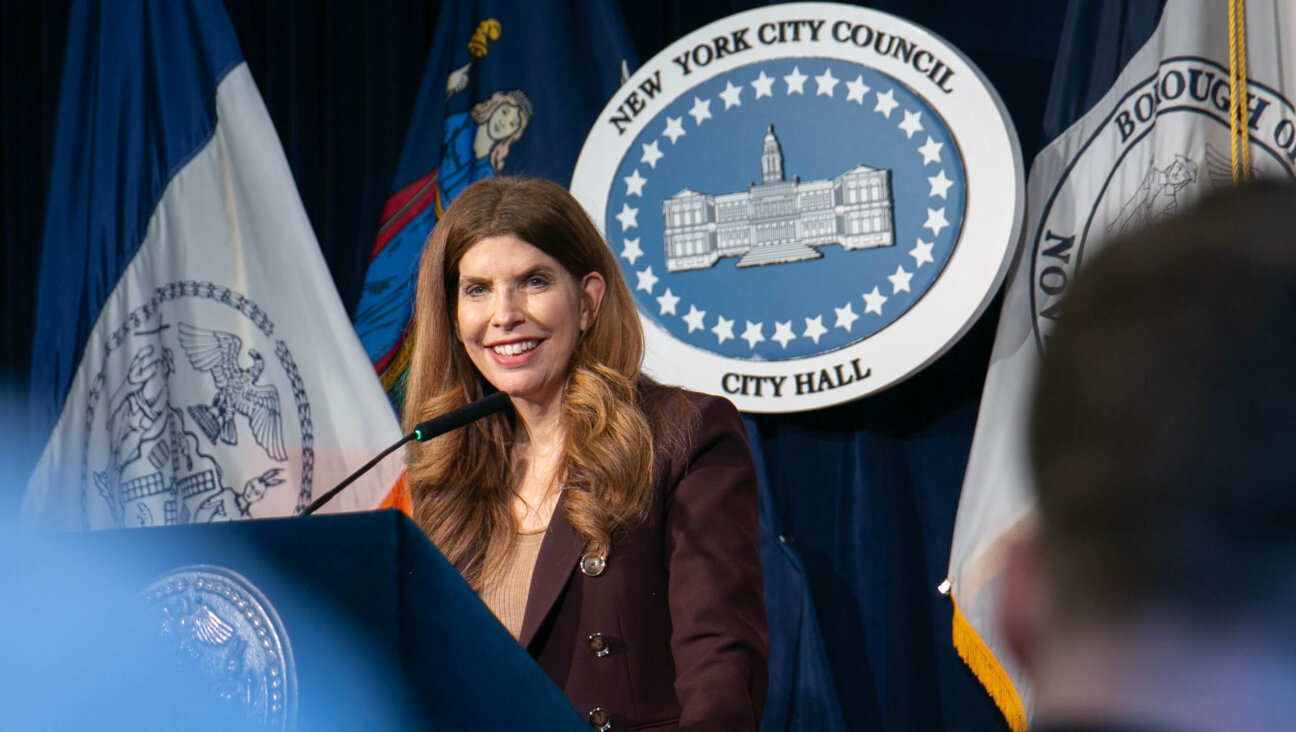
Jill Abramson, 57, became perhaps the most influential media professional in the world in September when she ascended to the executive editorship of The New York Times. That a Jewish person has been made top editor of the Times, an institution that once went to great lengths to play down its own Jewish ownership, is no longer novel.
But Abramson, who grew up in a secular Jewish home on Manhattan’s Upper West Side, stands apart from her recent predecessors. Besides being the first woman to sit in the Times newsroom’s corner office, she is also the first executive editor in recent history without the well-stamped passport of the foreign correspondent.
It’s too early to say how Abramson’s reign will differ from that of her predecessor, Bill Keller, who is widely praised for pulling a discontented staff together after the Jayson Blair plagiarism scandal rocked the paper in 2003. But colleagues praise Abramson for her decisiveness, intelligence and equanimity. In the face of a collapsing newspaper industry, it is perhaps that last characteristic that will serve her best as she works to protect and grow the paper amid a rapidly changing media landscape. In June, shortly after Abramson’s promotion was announced, a former Harvard classmate, author Amy Wilentz, offered this assessment: “I think she’s a good captain for stormy weather.”
This is a moment of great uncertainty. Here’s what you can do about it.
We hope you appreciated this article. Before you go, we’d like to ask you to please support the Forward’s independent Jewish news this Passover.
This is a moment of great uncertainty for the news media, for the Jewish people, and for our sacred democracy. It is a time of confusion and declining trust in public institutions. An era in which we need humans to report facts, conduct investigations that hold power to account, tell stories that matter and share honest discourse on all that divides us.
With no paywall or subscriptions, the Forward is entirely supported by readers like you. Every dollar you give this Passover is invested in the future of the Forward — and telling the American Jewish story fully and fairly.
The Forward doesn’t rely on funding from institutions like governments or your local Jewish federation. There are thousands of readers like you who give us $18 or $36 or $100 each month or year.
Support our mission to tell the Jewish story fully and fairly.