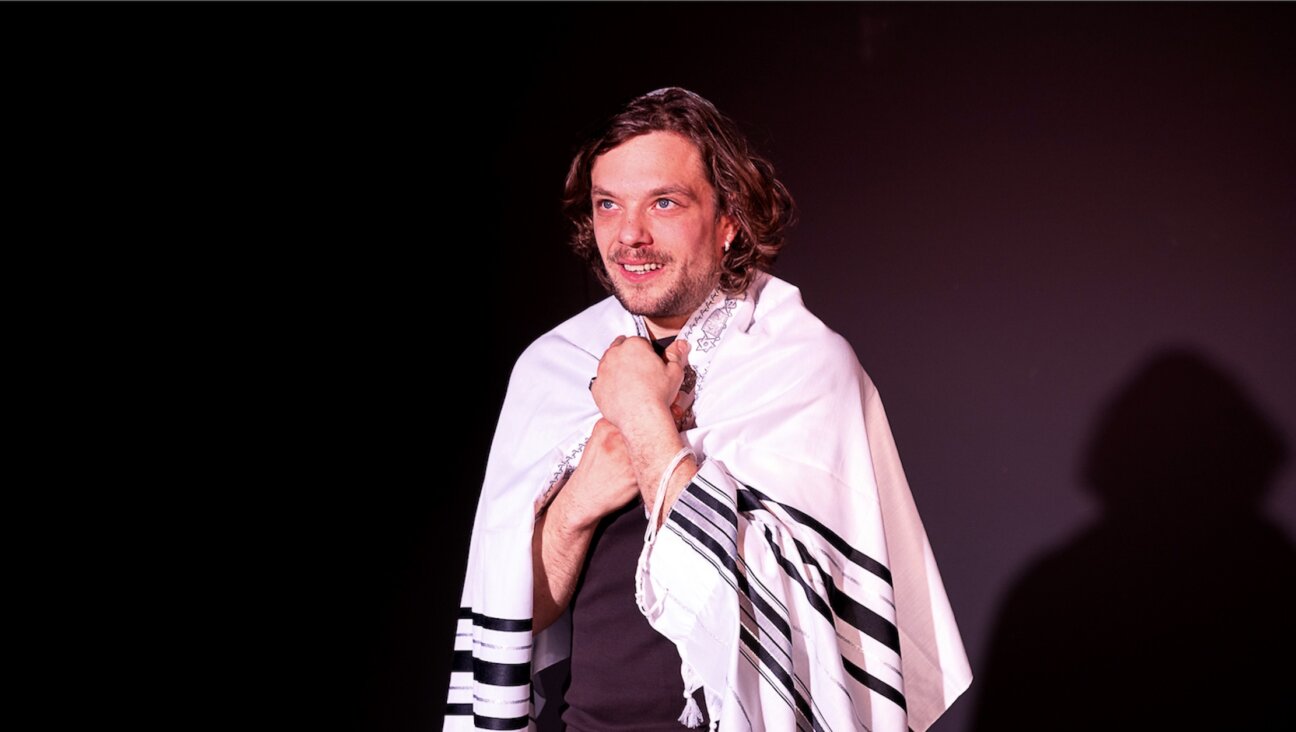
ווידעאָ: לכּבֿוד יום־העצמאות — התּקוה געזונגען מיט דער אַשכּנזישער הבֿרהWATCH: For Yom Haatzmaut – Hativkah sung in Ashkenazi Hebrew
אַשקע שאַבאַנס נוסח שטימט מיטן זעלבן גראַם און טראָפּ, וואָס נפֿתּלי הערץ אימבער האָט אויסגעקליבן בײַם שאַפֿן דאָס ליד.

Image by Getty Images
לעצטנס האָט דער לינגוויסט דוד כּ׳׳ץ אַרויסגעלאָזט אַ ווידעאָ מיטן ליד, „התּקוה“, געזונגען אויף אַן אופֿן, וואָס מע הערט זעלטן ווען הײַנט — מיטן אָריגינעלן אַשכּנזישן אַרויסרייד. כאָטש נפֿתּלי הערץ אימבער האָט טאַקע געשריבן דאָס ליד אַזוי, זינגט מען עס שוין אַכציק יאָר אַזוי ווי אַ סאַברע וואָלט עס געהאַט אָנגעשריבן אין 1950.
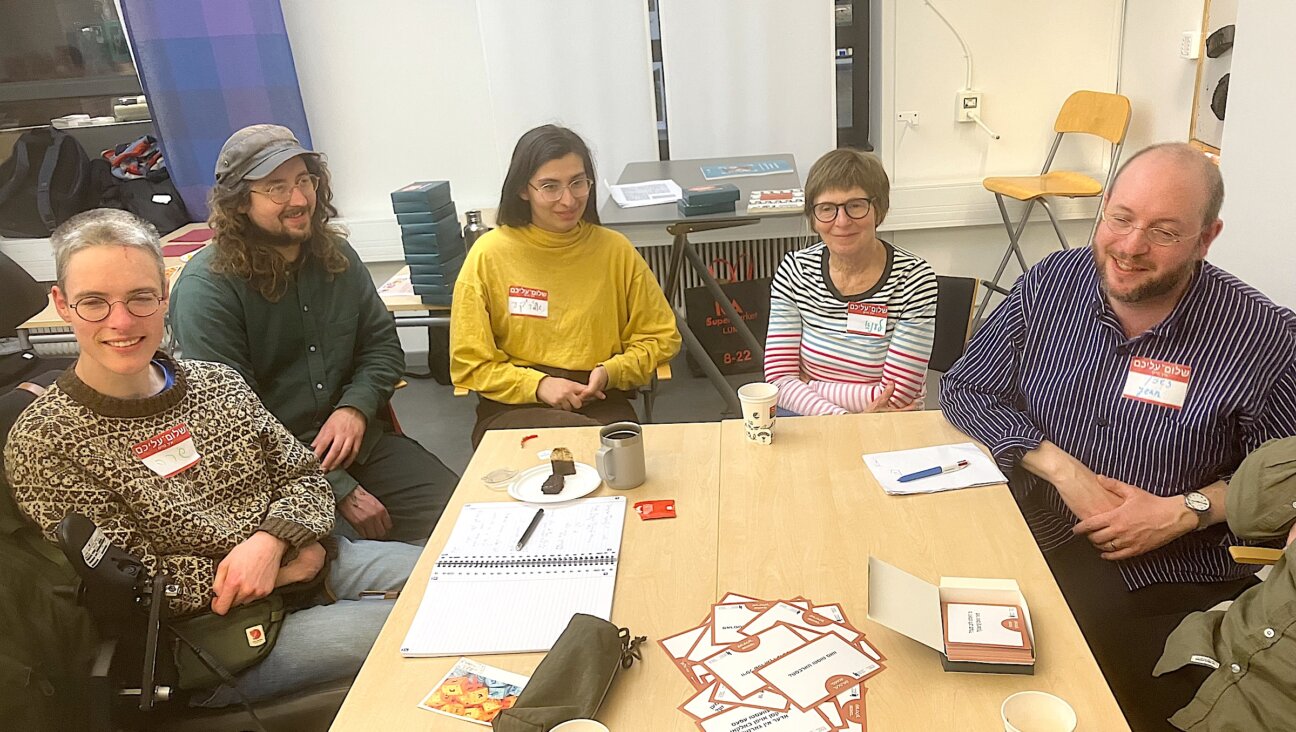
אין פֿעברואַר און מאַרץ האָט כּ׳׳ץ געלערנט אַן אַרבעטער־רינג־קורס וועגן דעם אַשכּנזישן אַרויסרייד פֿון העברעיִשע ווערטער — און טאַקע גערעדט עבֿרית מיט דער מיזרח־אייראָפּעיִשער ייִדישער הבֿרה. ווי אַ טייל פֿונעם קלאַס האָבן די סטודענטן געלייענט באַקאַנטע לידער פֿון דער מאָדערנער העברעיִשער ליטעראַטור, וואָס אַזעלכע פּאָעטן ווי חיים נחמן ביאַליק און שאול טשערניכאָווסי האָבן געשריבן דווקא אויף אַזאַ אופֿן, אַז דער גראַם און טראָפּ שטימען בלויז אויב מע לייענט זיי פֿאָר אויפֿן אַשכּנזישן שטייגער.
אין צוזאַמענהאַנג מיט דעם קלאַס האָט די זינגערין אַשקע שאַבאַנס רעקאָרדירט דעם ישׂראלדיקן הימען מיט דער אַשכּנזישער הבֿרה. כּ׳׳ץ און דער יונגער ייִדישיסט גוסטאַוואָ עמאָס האָבן דערנאָך פֿאַרוואַנדלט די רעקאָרדירונג אין דעם פֿילם, וואָס כּ׳׳ץ האָט אַרויסגעלאָזט דורך זײַן יוטוב־קאַנאַל.
דרך־אַגבֿ, די וואָס פֿאַראינטערעסירן זיך אינעם אַשכּניזישן העברעיִש קענען זיך דערוויסן מער וועגן דער טעמע אויף כּ׳׳צס וועבזײַט, וווּ ער האָט פּובליקירט אַ וועגווײַזער צום דיאַלעקט און אַ ווערטערביכל.
This is a moment of great uncertainty. Here’s what you can do about it.
We hope you appreciated this article. Before you go, we’d like to ask you to please support the Forward’s independent Jewish news this Passover.
This is a moment of great uncertainty for the news media, for the Jewish people, and for our sacred democracy. It is a time of confusion and declining trust in public institutions. An era in which we need humans to report facts, conduct investigations that hold power to account, tell stories that matter and share honest discourse on all that divides us.
With no paywall or subscriptions, the Forward is entirely supported by readers like you. Every dollar you give this Passover is invested in the future of the Forward — and telling the American Jewish story fully and fairly.
The Forward doesn’t rely on funding from institutions like governments or your local Jewish federation. There are thousands of readers like you who give us $18 or $36 or $100 each month or year.
Support our mission to tell the Jewish story fully and fairly.