Chance Connections: How Eating With Strangers Is the New Art

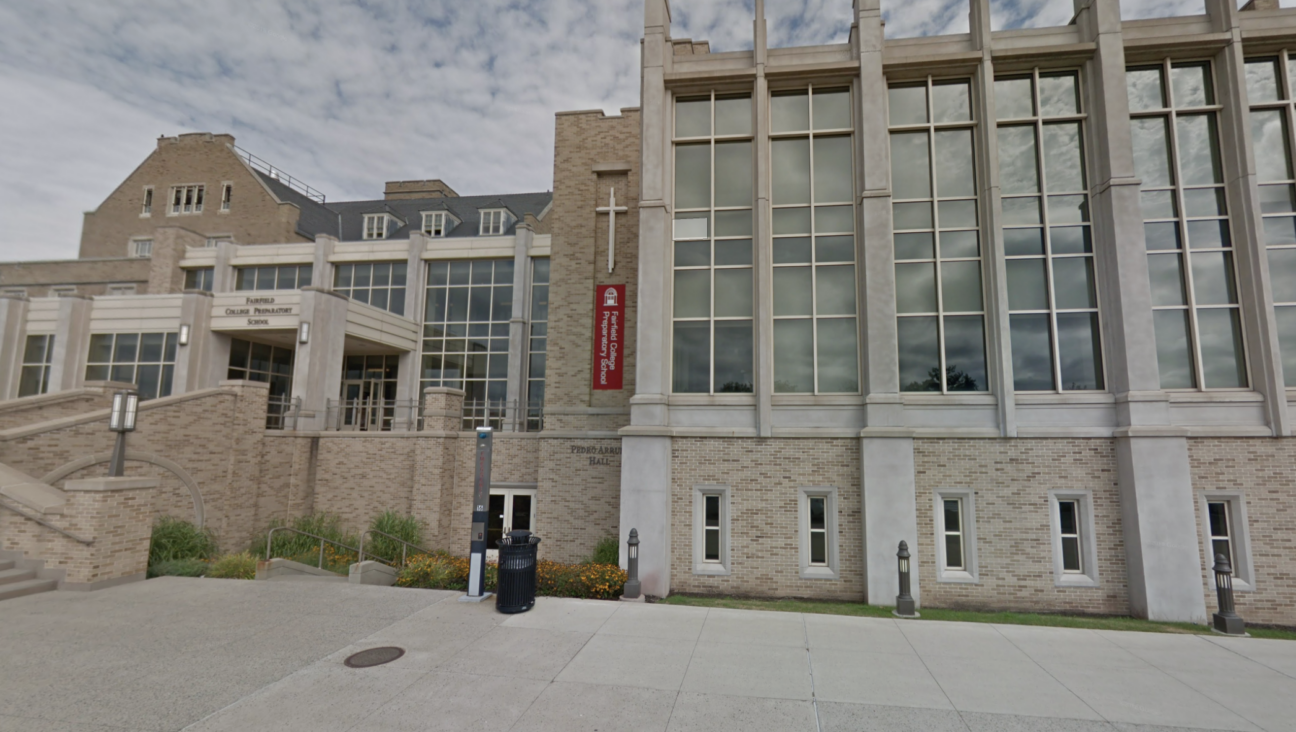
Image by Courtesy The Kitchen
As I walked into Nancy Hwang’s art-slathered loft on another tropical day in New York City, I reminded myself that the visit was strictly “no business.” Through a serendipitous, mysterious phone call, I had somehow landed myself a promise of homemade cake and coffee at an intimate birthday celebration among the close friends of an artist whose exhibit I had just left.
Chewing my way from a spongy, decadent apple cake to a dark chocolate hazelnut crumble, while discussing physics and pole dancing with a group of eccentric strangers, I felt like I had stepped into some bizarre, yet wonderful dream. In a city where you can walk right by your own cousin without the slightest clue, is there room for impromptu tea parties at the home of a person who did not know you existed 20 minutes before?
Such is the question seven innovative artists have visited, tackled, and re-posed in the exhibit “The Absolutely Other,” curated by Miriam Katz, on view until August 7 at The Kitchen in Chelsea. Hwang was one of the featured artists along with Einat Amir, Daniel Bozhkov, Xavier Cha, eteam, Hope Hilton and Dave McKenzie, in a group exhibition that featured video, photography, installation, and performance.
Each artist injects an exotic, special energy into the space with his or her own style, but all unite in a mission to challenge conventional social parameters through the interactive nature of their work. The project results in strangers shifting from detached observers to active participants, forging personal relationships with the artists, and redefining the work itself as they become a part of the creative process.
The exhibit is laid out like an obstacle course, where the spectator is not only permitted, but also invited to touch, write on, flip through, and lie in the artwork. A few twists and turns lead you to a dark room with a large bed in the center that lures you to sink into its sumptuous softness, while watching the artist have conversations with more than 20 people on a life-scale video projection that hangs from the ceiling.
But first comes a keypad-less phone that connects to the artist’s cell phone; a Plexiglas box for visitors to leave their contact information (one of whom the artist will treat to a private dinner); a Moby Dick coloring book; a table spilling over with a tempting selection of novels and the opportunity to start an intimate book club; a slide show and digitally-manipulated photo album documenting a group of German gardeners’ faux trip to America; and several video installations which document three actors hired to improvise pre-selected archetypal characters in foreign scenarios.
Through each of these works the artist is inviting the stranger to delve into the unknown world of chance, breaking the fourth wall, and creating equal opportunities between the creator and the spectator to share in completely original, unplanned experiences.
While I had no idea what to expect when I picked up that red keypad-less desktop telephone, eating three different kinds of cake in Nancy Hwang’s dining room 20 minutes later was certainly not among my predictions. If the goal was to subvert the conventional then this exhibit passed with flying colors — or rather, with flying beds and telephones.
This is a moment of great uncertainty. Here’s what you can do about it.
We hope you appreciated this article. Before you go, we’d like to ask you to please support the Forward’s independent Jewish news this Passover. All donations are being matched by the Forward Board - up to $100,000.
This is a moment of great uncertainty for the news media, for the Jewish people, and for our sacred democracy. It is a time of confusion and declining trust in public institutions. An era in which we need humans to report facts, conduct investigations that hold power to account, tell stories that matter and share honest discourse on all that divides us.
With no paywall or subscriptions, the Forward is entirely supported by readers like you. Every dollar you give this Passover is invested in the future of the Forward — and telling the American Jewish story fully and fairly.
The Forward doesn’t rely on funding from institutions like governments or your local Jewish federation. There are thousands of readers like you who give us $18 or $36 or $100 each month or year.
Support our mission to tell the Jewish story fully and fairly.