Long Island Group With Nazi Past Settles Discrimination Case

Image by Getty

By Josh Nathan-Kazis May 18, 2017
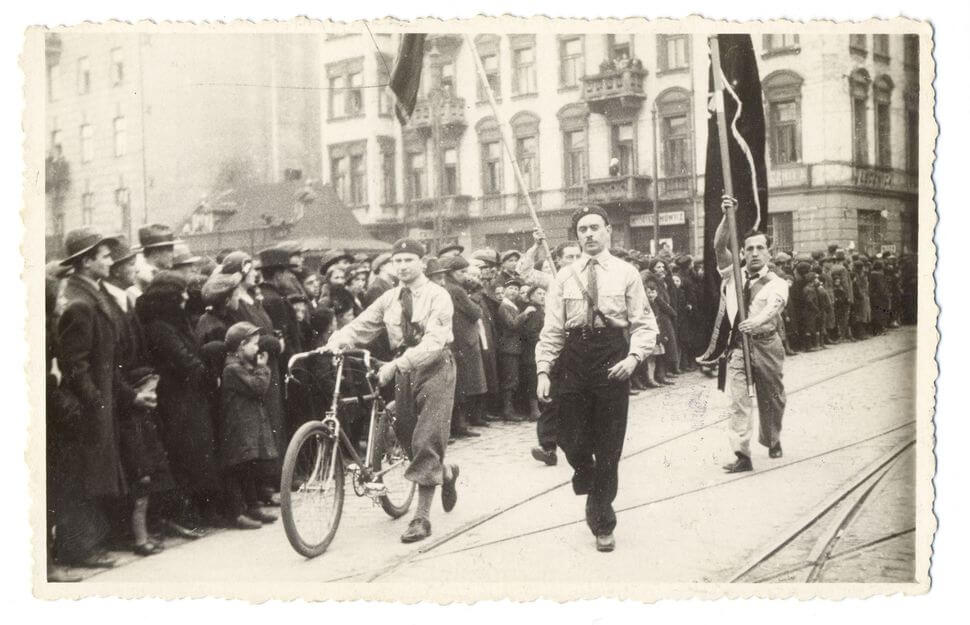
Ninety years ago, the small hamlet of Yaphank in Long Island was a Nazi enclave in New York state, with a nearby pro-Nazi summer camp and rules restricting home ownership to Germans.
Shockingly, those home ownership rules remained officially in place until this week, when New York State Attorney General Eric Schneiderman reached a settlement with the non-profit that owns the homes there, called the German American Settlement League.
“The GASL’s discriminatory practices were a remnant of a disgraceful past that has no place in New York or anywhere,” Schneiderman said in a statement. “This agreement will once and for all put an end to the GASL’s discrimination, ensuring that all New Yorkers are afforded equal access to housing opportunities — regardless of their race or national origin.”
Under the terms of the settlement, the GASL will be barred from discriminating on the basis of race or national origin. It will also be forced to reform its structures and replace its leadership.
Contact Josh Nathan-Kazis at [email protected] or on Twitter, @joshnathankazis.
It’s our birthday and we’re still celebrating!
We hope you appreciated this article. Before you go, we’d like to ask you to please support the Forward’s independent Jewish news.
This week we celebrate 129 years of the Forward. We’re proud of our origins as a Yiddish print publication serving Jewish immigrants. And we’re just as proud of what we’ve become today: A trusted source of Jewish news and opinion, available digitally to anyone in the world without paywalls or subscriptions.
We’ve helped five generations of American Jews make sense of the news and the world around them — and we aren’t slowing down any time soon.
As a nonprofit newsroom, reader donations make it possible for us to do this work. Support independent, agenda-free Jewish journalism and our board will match your gift in honor of our birthday!
Support our mission to tell the Jewish story fully and fairly.