Jersey City Monument To Katyn Massacre Sparks Controversy

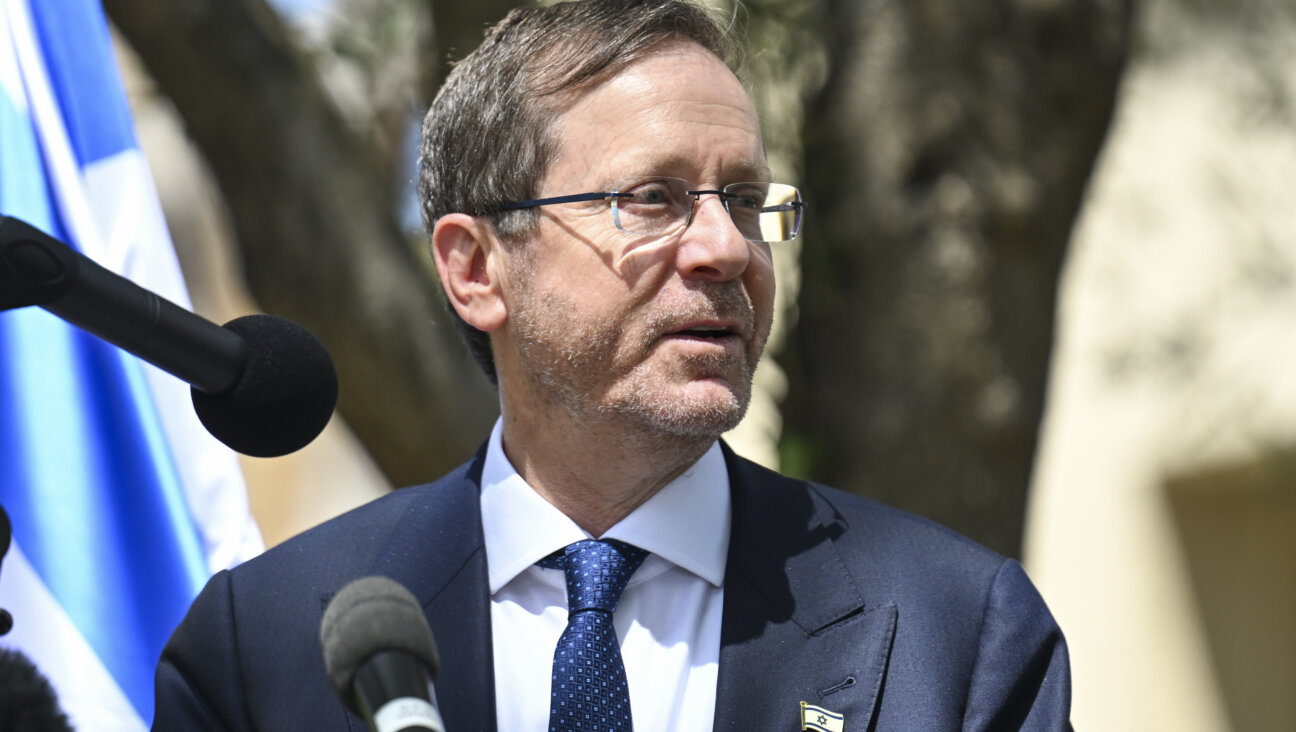
Steven Fulop Image by Getty Images
WARSAW, Poland (JTA) — Plans to move a monument in Jersey City commemorating the victims of World War II’s Katyn Forest massacre sparked protests among people of Polish descent living in the United States, as well as Polish politicians and representatives of the Polish-Jewish community.
The monument commemorating the massacre created by Polish-American sculptor Andrzej Pitynski, has stood in Jersey City’s Exchange Place on the bank of the Hudson River since 1991, but is set to be removed due to work a waterfront redevelopment project.
In 1940, the Soviet secret police murdered over 20,000 captured Polish citizens, including soldiers and police officers, in the Katyn Forest in western Russia. Several hundred of the victims were Jewish. The execution was carried out with a gunshot to the back of the head. Mass graves were discovered by the Germans in 1943, and the Soviet Union initially did not admit to committing the crime, blaming the Nazis instead.
The bronze and granite statue shows a tied-up Polish soldier who has been stabbed in the back with a rifle bayonet.
Jersey City Mayor Steven Fulop has asserted that the city is not removing the monument completely, rather putting it in storage until the park planned for the area on which it sits is completed.
Polish Chief Rabbi Michael Schudrich, President of Warsaw Jewish community Anna Chipczynska and President of the Union of Jewish Communities Leslaw Piszewski, said in a statement that they “don’t understand, and disagree with, the plans to remove the monument.
Why I became the Forward’s Editor-in-Chief
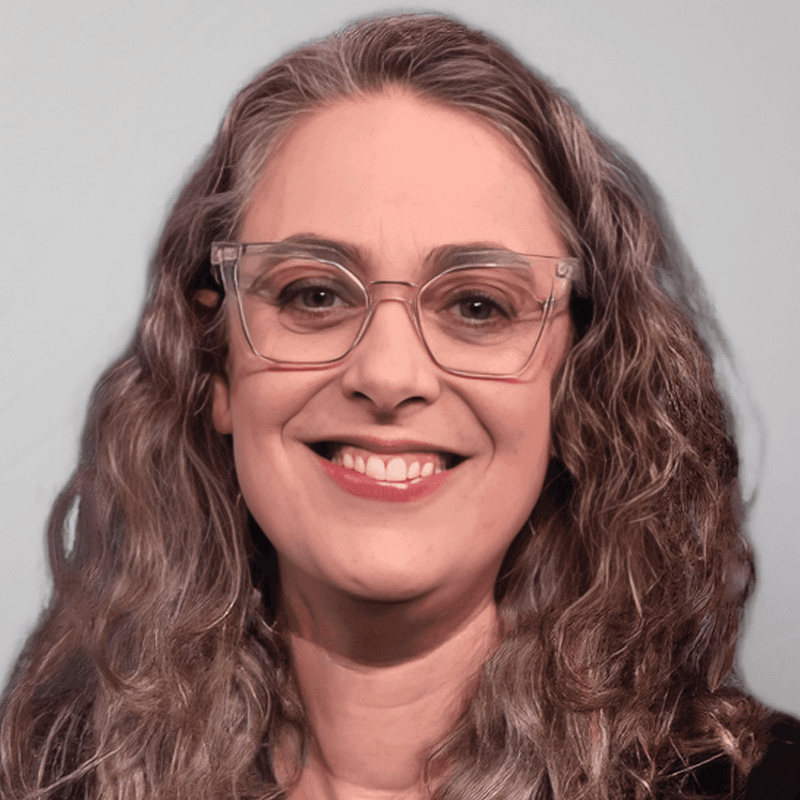
You are surely a friend of the Forward if you’re reading this. And so it’s with excitement and awe — of all that the Forward is, was, and will be — that I introduce myself to you as the Forward’s newest editor-in-chief.
And what a time to step into the leadership of this storied Jewish institution! For 129 years, the Forward has shaped and told the American Jewish story. I’m stepping in at an intense time for Jews the world over. We urgently need the Forward’s courageous, unflinching journalism — not only as a source of reliable information, but to provide inspiration, healing and hope.
Support our mission to tell the Jewish story fully and fairly.