The Nazis destroyed a Munich synagogue in 1938. Its remains were just found
Material from Munich’s primary synagogue was used to buttress a nearby dam
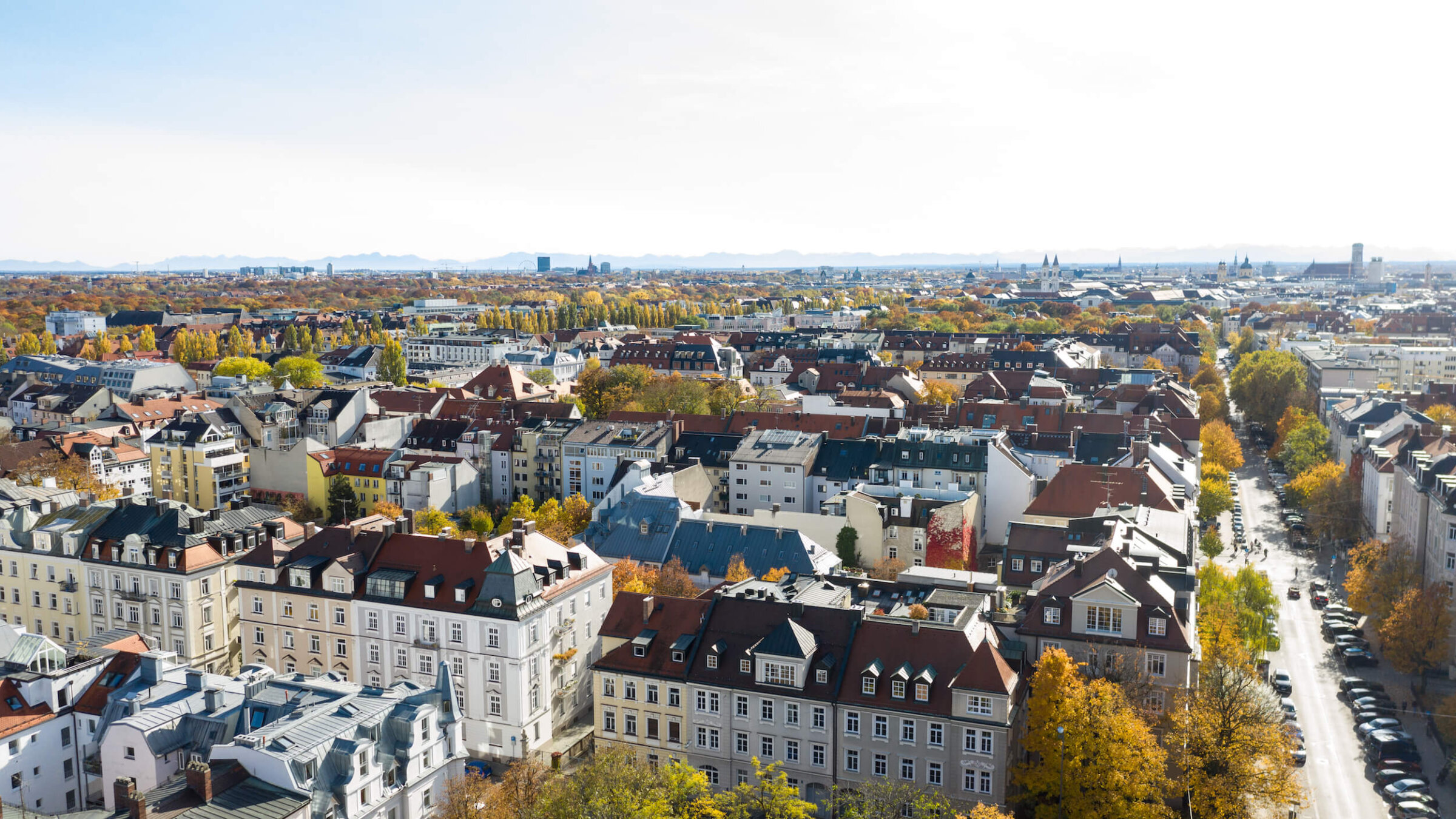
Munich, Germany. Photo by Christian Ender/Getty Images
This week, construction workers unearthed the rubble of a Munich synagogue destroyed by Hitler in a river that runs through Munich — and found some of the synagogue’s remains intact.
Munich’s main synagogue, and the sacred materials it held, were deemed lost by the Jewish community after its destruction in June 1938 by the Nazis. A department store now stands at the synagogue’s original location.
“We never thought we would find anything from it,” the director of the Jewish Museum of Munich, Bernhard Purin said.
But it turns out that all along most of the synagogue’s remains have been nearby — helping to buttress a dam. In 1956, the rubble from the synagogue, along with other masonry, was used to build a weir in the River Isar.
The mayor of Munich, Dieter Reiter, called the discovery a “stroke of luck,” and his deputy stated that the city will work with the Jewish community to honor the remains.
Among the most exciting findings was an almost intact stone tablet bearing the Ten Commandments in Hebrew. It’s believed that the tablet adorned the top of the synagogue’s ark.
Seeing the rubble of the synagogue “was one of the most moving moments in 30 years of working in Jewish museums,” Purin told the BBC, “especially seeing the plaque of the Ten Commandments not seen since 1938.”
I’m personally matching all gifts to the Forward, up to $36,000. Can I match your gift now?

Hello, fellow Forward reader! I’m Joel Brown, a Forward reader and supporter for more than 15 years, and currently the chair of the board of directors.
I’m an avid Forward reader because it ticks so many of my essential boxes: excellent journalism, Jewish focus and diverse viewpoints. In today’s political climate, what I most appreciate is the Forward’s independence — made possible by the generosity of its membership.
The Forward is committed to bringing you unbiased, nuanced Jewish news. From my position as board chair, I see an exciting future as we expand our position as the definitive independent voice of contemporary American Judaism.
— Joel Brown, Forward board chair
Support our mission to tell the Jewish story fully and fairly.