Gael Garcia Bernal, Ilana Glazer, Ayo Edebiri among Hollywood A-listers pledging to boycott Israeli film institutions
The Film Workers for Palestine campaign names several major Israeli festivals as among the targets
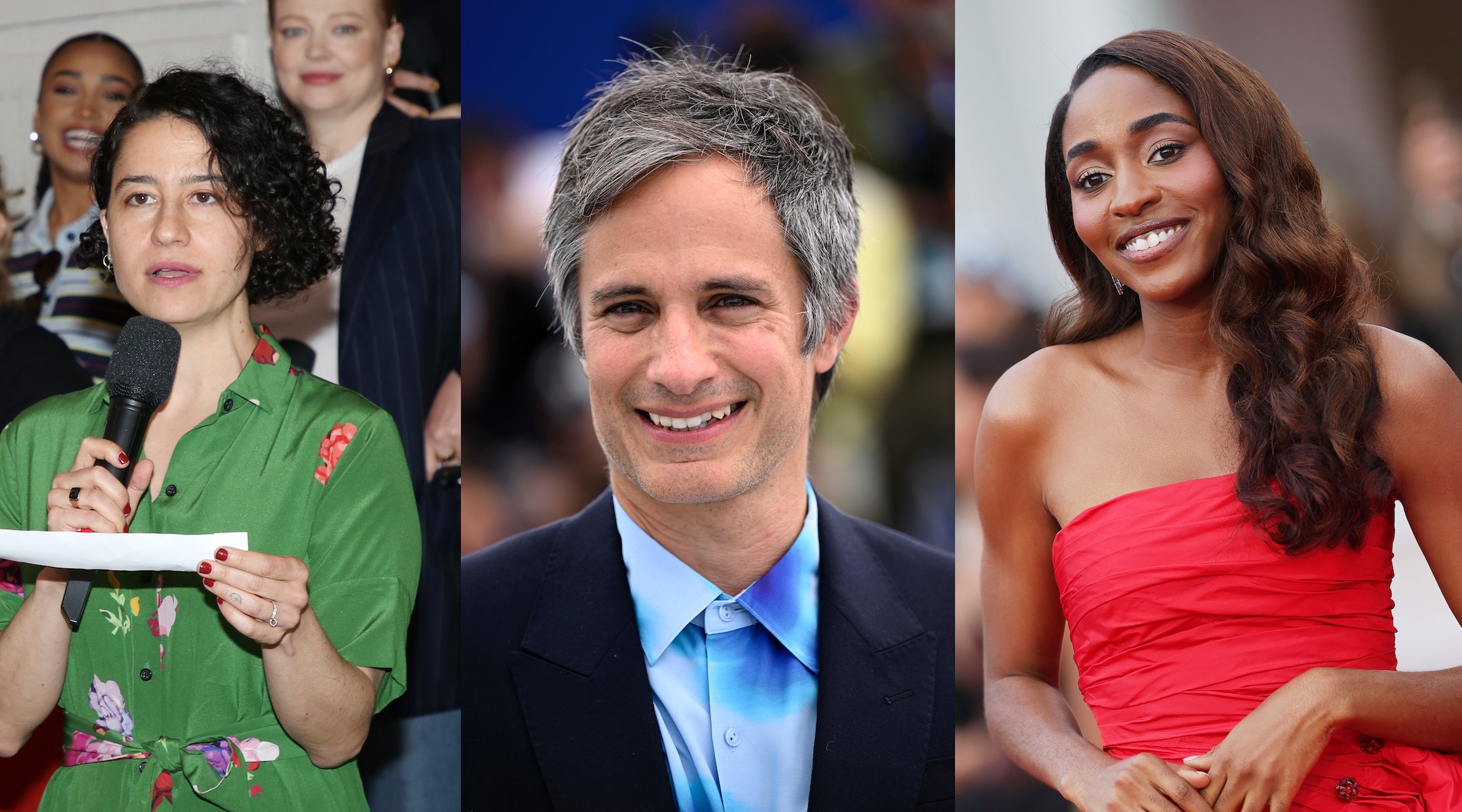
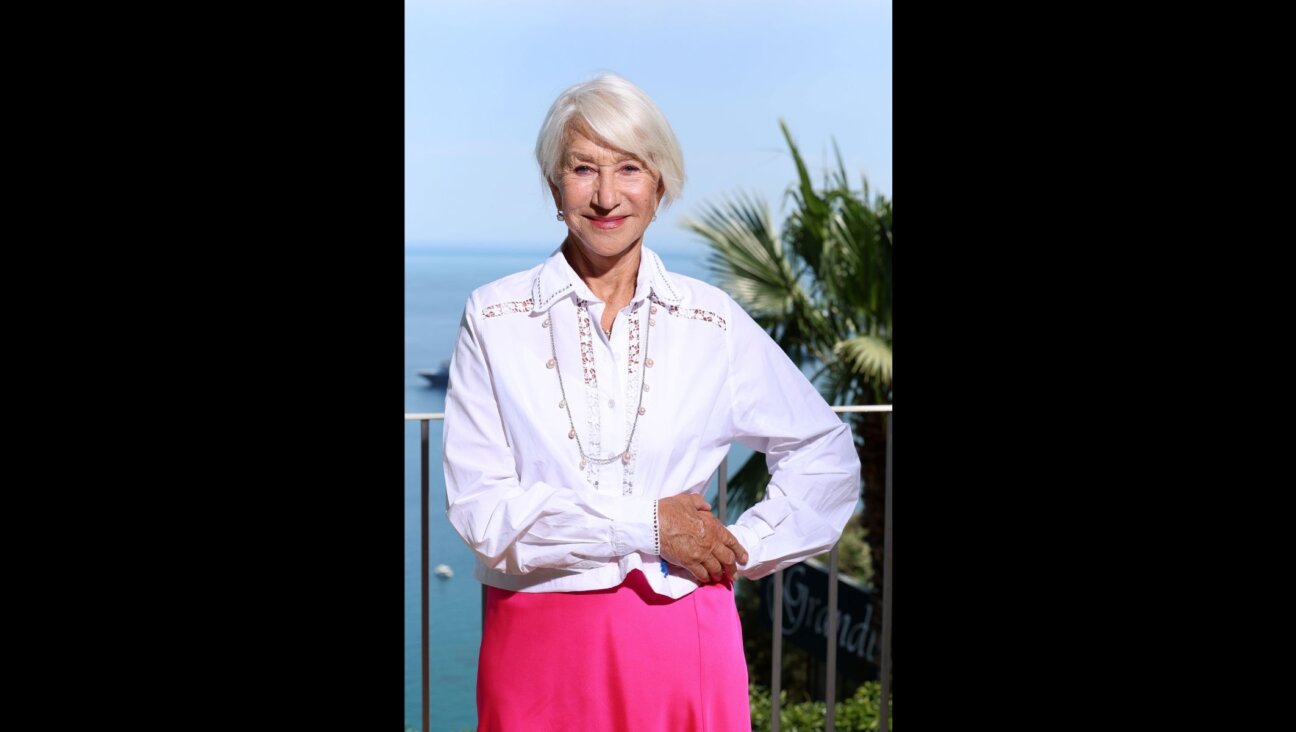
(L-R) Ilana Glazer, Gael Garcia Bernal and Ayo Edebiri are among the hundreds of signatories of a new pledge to boycott Israeli film institutions in protest of the war in Gaza. Photo by Bruce Glikas/WireImage; Gareth Cattermole/Getty Images; Vittorio Zunino Celotto/Getty Images
(JTA) — Hundreds of top film directors, actors and writers signed onto a pledge Monday “not to screen films, appear at or otherwise work with Israeli film institutions … that are implicated in genocide and apartheid against the Palestinian people.”
The pledge, which is being promoted by the activist group Film Workers for Palestine, is distinct from other previous arts and culture Israel boycotts in naming specific Israeli cultural institutions the letter’s signatories are boycotting. Those include major Israeli film festivals like the Jerusalem Film Festival, Haifa International Film Festival, Docaviv and TLVfest.
Signatories include rising stars Ayo Edebiri, Josh O’Connor and Joe Alwyn (who had a supporting role in the recent post-Holocaust drama “The Brutalist”); veteran performers Olivia Coleman, Tilda Swinton, Gael Garcia Bernal and Javier Bardem; and acclaimed directors Yorgos Lanthimos, Adam McKay and Ava DuVernay, whose film “Origin” compared Nazi rule to slavery and global caste systems.
They join several progressive Jews who have long been vocal pro-Palestinian activists, including Ilana Glazer, Hannah Einbinder, Emma Seligman and Wallace Shawn.
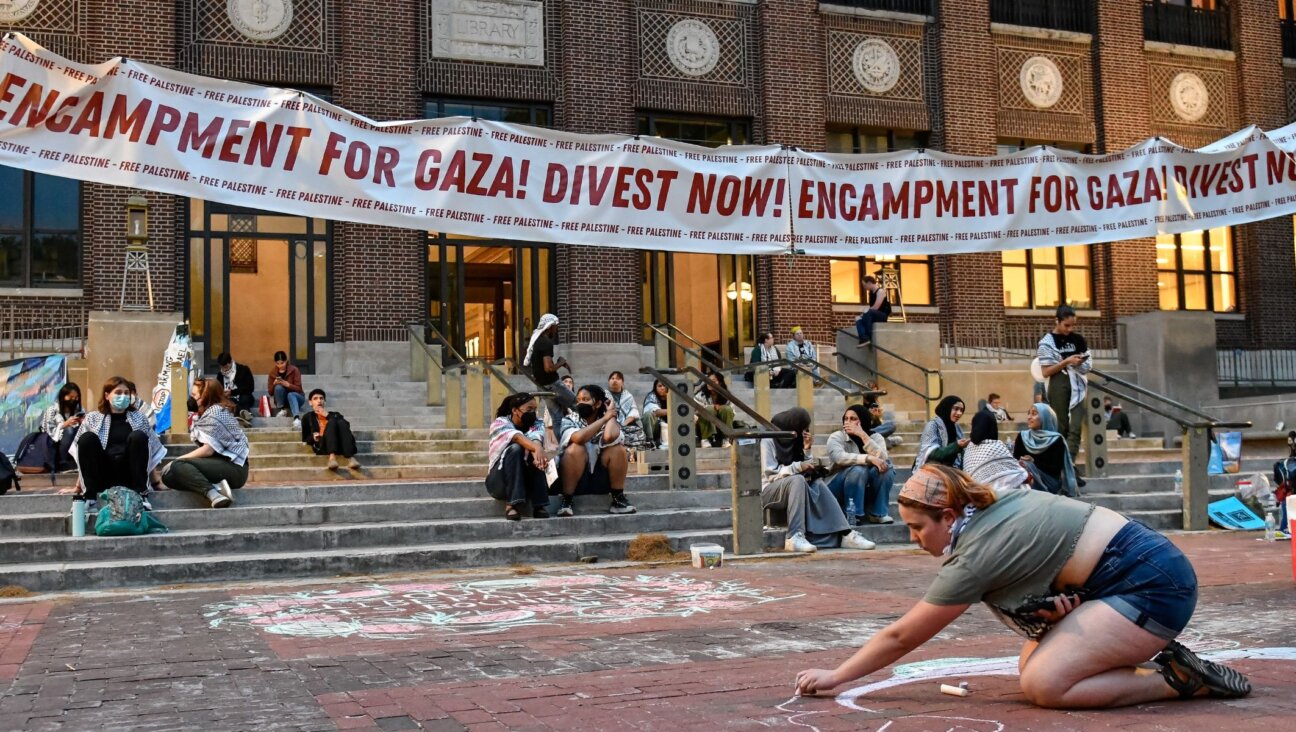
The pledge is the latest demonstration of pro-Palestinian sentiment in the arts world. Over the weekend, a docudrama about the killing of 5-year-old Gazan child Hind Rajab won a major prize at the Venice Film Festival, which was also marked by large pro-Palestinian protests.
Language in the pledge’s “frequently asked questions” page notes that there are “a few Israeli film entities that are not complicit” but does not name them, instead directing its followers to “seek guidelines set by Palestinian civil society.” It also specifies that only Israeli institutions, not individuals, are included in the boycott.
The Israeli film community, while often reliant on government funds, is one prominent engine of public critique of the country’s treatment of Arabs and Palestinians. This year’s edition of the Jerusalem Film Festival included a special screening of “Yes,” a no-holds-barred takedown of post-Oct. 7 Israel by native director Nadav Lapid, as part of a program on “freedom of expression and creativity in Israel”; the festival is among the stated targets of the new boycott.
Film Workers for Palestine also backed a recent campaign targeting the arthouse streaming service Mubi for accepting an investment from a venture fund that also has links to the Israeli military. While the Mubi campaign has been publicly supported by Lapid and fellow acclaimed Israeli director Ari Folman, they have not signed onto the campaign targeting Israeli film institutions.

Hello, fellow Forward reader! I’m Joel Brown, a Forward reader and supporter for more than 15 years, and currently the chair of the board of directors.
I’m an avid Forward reader because it ticks so many of my essential boxes: excellent journalism, Jewish focus and diverse viewpoints. In today’s political climate, what I most appreciate is the Forward’s independence — made possible by the generosity of its membership.
The Forward is committed to bringing you unbiased, nuanced Jewish news. From my position as board chair, I see an exciting future as we expand our position as the definitive independent voice of contemporary American Judaism.
That’s why I’m paying it Forward, by matching $36,000 of reader gifts. It’s an investment in the Forward’s newsroom, to continue telling the American Jewish story with truth and independence.
— Joel Brown, Forward board chair
Support our mission to tell the Jewish story fully and fairly.