Why Do Legendary Warriors Become Nincompoops When They Join Our Side?

J.J. Goldberg August 3, 2010
I read this a few days ago, but for some reason its importance just hit me. It’s one of the smartest, most pointed questions I’ve heard in the escalating debate over the Afghanistan war. It was posed last week by a writer who’s not usually associated with pointed, incisive political analysis, Maureen Dowd of The New York Times. She slipped it into the middle of her July 27 column, and it went by so fast that it took a few days before it popped back into my head like Athena in reverse, and suddenly I realized it was the $64,000 question, the mystery of mysteries at the dark heart of this bloody debacle:
Before we went into Iraq and Afghanistan, both places were famous for warrior cultures. And, indeed, their insurgents are world class.
But whenever America tries to train security forces in Iraq and Afghanistan so that we can leave behind a somewhat stable country, it’s positively Sisyphean. It takes eons longer than our officials predict. The forces we train turn against us or go over to the other side or cut and run. If we give them a maximum security prison, as we recently did in Iraq, making a big show of handing over the key, the imprisoned Al Qaeda militants are suddenly allowed to escape.
The British Empire prided itself on discovering warrior races in places it conquered — Gurkhas, Sikhs, Pathans, as the Brits called Pashtuns. But why are they warrior cultures only until we need them to be warriors on our side? Then they’re untrainably lame, even when we spend $25 billion on building up the Afghan military and the National Police Force, dubbed “the gang that couldn’t shoot straight” by Newsweek.
Why I became the Forward’s editor-in-chief
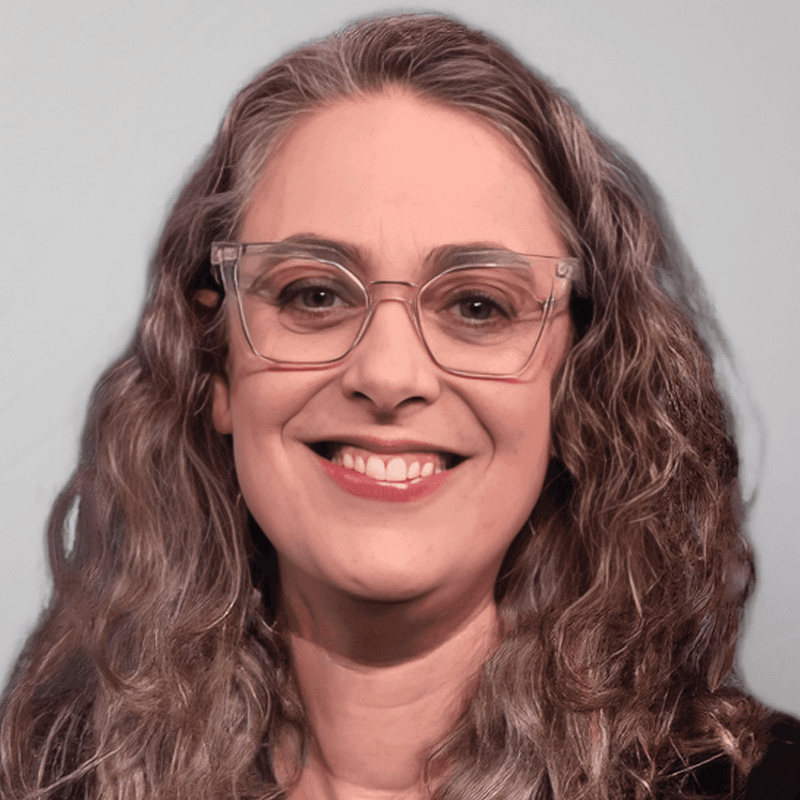
You are surely a friend of the Forward if you’re reading this. And so it’s with excitement and awe — of all that the Forward is, was, and will be — that I introduce myself to you as the Forward’s newest editor-in-chief.
And what a time to step into the leadership of this storied Jewish institution! For 129 years, the Forward has shaped and told the American Jewish story. I’m stepping in at an intense time for Jews the world over. We urgently need the Forward’s courageous, unflinching journalism — not only as a source of reliable information, but to provide inspiration, healing and hope.
 , editor-in-chief
Support our mission to tell the Jewish story fully and fairly.