Netanyahu is facing electoral catastrophe — and could place Israel in existential peril
The prime minister is backed into a corner, which makes him dangerous
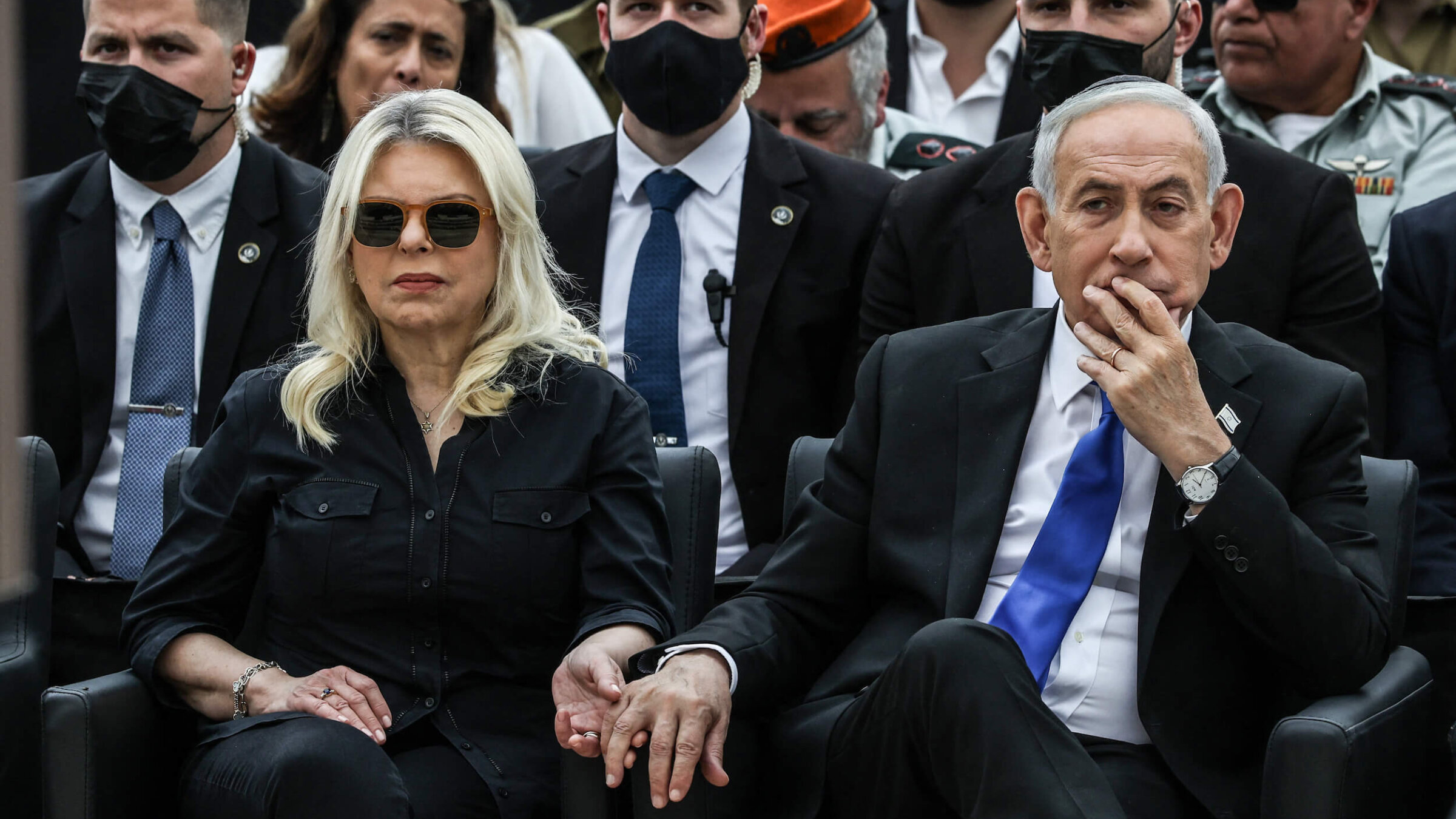
Israeli Prime Minister Benjamin Netanyahu holds the hand of his wife Sara as they attend a ceremony commemorating Yom HaZikaron at the Military Cemetery on Mount Herzl in Jerusalem on April 21. Photo by Ilia Yefimovich / POOL / AFP / Getty Images

Columnist Dan Perry May 20, 2026
For much of Prime Minister Benjamin Netanyahu’s current term, Israelis have been told that they are on the verge of a historic military triumph. Netanyahu has been promising “total victory” since early 2024.
Yet the public mood inside Israel has darkened rather than lifted. After nearly three years of war, none of our enemies have actually been vanquished.
The war with Iran may resume at any moment, and the Iranian regime shows no sign of collapse, or of acquiescence to Israeli-American terms. Iran’s proxies — Hezbollah in Lebanon, Hamas in Gaza, the Houthis in Yemen — all soldier on, certainly bruised but strangely unbowed.
And in Israel, reservists continue to be called up, and soldiers continue to die. Israel has absorbed devastating reputational damage, and the sense that the country has no positive political horizon has hardened into exhaustion.
As that exhaustion translates into polling that should terrify the prime minister, Israel faces an unprecedented internal danger: that Netanyahu will use a state of permanent emergency he has worked to enshrine to cancel upcoming elections altogether.
Over the weekend, the combined party of former prime ministers Naftali Bennett and Yair Lapid passed Netanyahu in many of the polls. Per one poll, the opposition together is now leading him by 71 to 49 seats — a 19-seat swing relative to the current Knesset. And because several small opposition-aligned parties are currently polling below the electoral threshold, the actual anti-government majority in a real election could be larger still.
The direction of travel is clear, the deficit in the polls for the right-religious bloc is huge, and the danger for Netanyahu is real. He faces a plausible future in which he not only loses power in the election that by law must be held by the end of October, but loses decisively.
That’s why many Israelis suspect the election may not occur.
In a recent Hebrew-language column, Haaretz writer Ravit Hecht wrote that when Netanyahu “ is vulnerable and lagging behind, he is at his most dangerous.”.
“Netanyahu will try to ignite an external front — preferably with Iran — in order to manufacture a state of emergency.,” Hecht added. “If he fails to maneuver Donald Trump into renewing the war with Iran, and if that leaves his hands tied in Lebanon or constrains his moves in Gaza, he will inflame the domestic front instead.”
Victory, or emergency
Netanyahu may see two possible lifelines.
The first: political redemption through the kind of overwhelming victory he’s been promising for years. If the Iranian regime were somehow destabilized or collapsed, Netanyahu could argue that history had vindicated him. Enough Israelis who currently view the wars as endless and inconclusive might reinterpret the sacrifices as the painful prelude to a transformative strategic success.
The trouble: years of promising such a victory, with no clear returns, make its likelihood at this late hour very dubious.
The second possibility is darker and more dangerous: capitalizing on a state of permanent emergency.
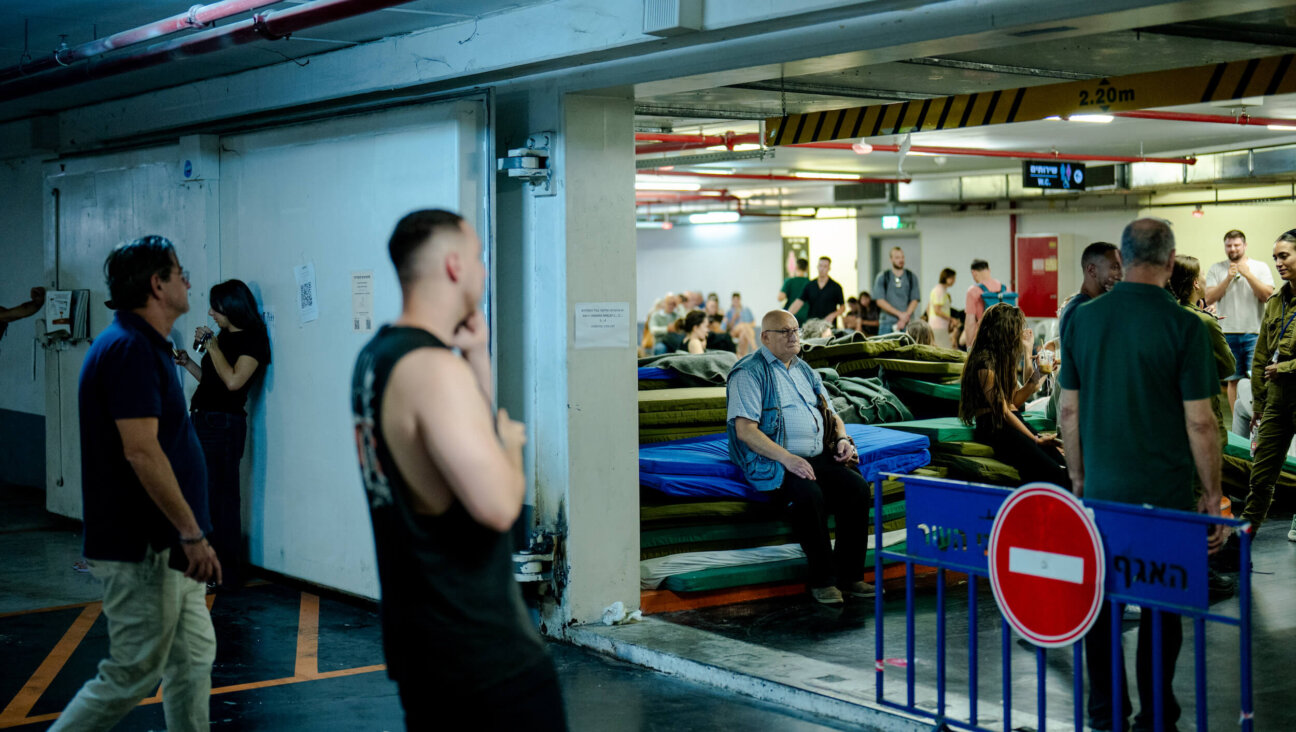
Israel adopted a siege mentality during the six weeks of war with Iran, weathering mass missile barrages, civilian deaths and profoundly disrupted routines. If those conditions re-emerged under a resumption of war, the government could attempt to argue that national elections are impossible during wartime.
Ministers in Netanyahu’s coalition have spent years preparing the ideological ground for precisely such a claim — and the confrontation it would spark with Israel’s democratic institutions.
Netanyahu’s allies have portrayed the Supreme Court as governed by an illegitimate elite conspiracy. They describe judges not as guardians of the constitutional order but as enemies of the popular will. The current chief justice, Yitzhak Amit, has faced relentless delegitimization campaigns. Senior ministers have openly suggested that court rulings need not be obeyed.
Any attempt to delay or suspend elections would almost certainly trigger intervention by the court. Israel lacks a formal written constitution, but it possesses a dense web of so-called Basic Laws, precedents, and institutional norms that collectively form its constitutional structure. If the government attempted to legislate an indefinite postponement of elections under emergency conditions, the Supreme Court would likely strike the move down.
At that point, Israel could face a constitutional crisis unprecedented in its history: a government claiming emergency authority against a judiciary insisting on democratic continuity.
The government’s position would be strong, because Israel’s institutions are deeply dependent on executive cooperation. If a determined government sought to sabotage the electoral process indirectly while claiming national necessity, the Central Electoral Commission would face immense practical obstacles. At the same time, the Supreme Court lacks any practical enforcement mechanisms
An uncomfortable bargain
None of this means Israeli democracy is doomed. Israeli institutions remain resilient, civil society remains energetic, and public resistance to authoritarian overreach would likely be massive. But it does mean that scenarios once dismissed as hysterical are now being discussed openly by serious observers.
There is, however, another path still faintly visible.
Increasingly, Israeli political circles are discussing the possibility of a negotiated Netanyahu exit from public life. Netanyahu has already sought ways to terminate or freeze his ongoing corruption trial. Under Israeli practice, a presidential pardon generally requires acknowledgment of wrongdoing and some expression of remorse.
If Netanyahu were willing to plead to a reduced offense such as breach of trust rather than the more severe bribery charges, President Isaac Herzog could potentially justify a pardon framed as an act of national reconciliation. Such an arrangement would go against Netanyahu’s pugnacious grain. But he may fear the humiliation of resounding defeat — and the end of any plausible excuses for delaying his trial — even more. It is even conceivable, although far from likely, that he would not choose to cause debilitating harm to Israel.
A bargain — Netanyahu steps back from politics in exchange for a pardon — would outrage many Israelis. Others would see it as a necessary escape hatch from national trauma. And Netanyahu himself would preserve a version of the story he has always wanted to tell: that of a historic statesman stepping aside after defending Israel through existential wars, not a defeated leader dragged from office in disgrace.
His supporters would accept the narrative. His opponents would accept the outcome. Israeli democracy, bruised and deeply damaged, would survive without crossing into outright institutional rupture.
It may be the least destructive option available. Democracies can survive flawed leaders. And Netanyahu, in his obsession with clinging to power, has made the need for this radical option existential.
I’m personally matching all gifts to the Forward, up to $36,000. Can I match your gift now?

Hello, fellow Forward reader! I’m Joel Brown, a Forward reader and supporter for more than 15 years, and currently the chair of the board of directors.
I’m an avid Forward reader because it ticks so many of my essential boxes: excellent journalism, Jewish focus and diverse viewpoints. In today’s political climate, what I most appreciate is the Forward’s independence — made possible by the generosity of its membership.
The Forward is committed to bringing you unbiased, nuanced Jewish news. From my position as board chair, I see an exciting future as we expand our position as the definitive independent voice of contemporary American Judaism.
— Joel Brown, Forward board chair
Support our mission to tell the Jewish story fully and fairly.