A Wide Tent on Israel, of Respectful Tension

Graphic by Angelie Zaslavsky

Image by kurt hoffman
At Kolot Chayeinu , our congregation’s stance on Israel has been the result of a series of conversations, meetings, dialogues and decisions. Our Statement of Values says: “We believe that Jews have an obligation to grapple with the many issues and emotions connected to our historic attachment to Israel and the current political situation in Israel and Palestine. While we join Jews everywhere in facing Jerusalem while we pray, we have no consensus on political solutions nor their philosophical underpinnings.”
Therefore, we try to hold up all the poles of a very open tent, a place where many opinions can be expressed and many speakers heard. The result is often not unity but a generally respectful tension and disagreement. Occasionally a pole leans or falls: A few members have left saying that the congregation or I am too far to the left or too far to the right!
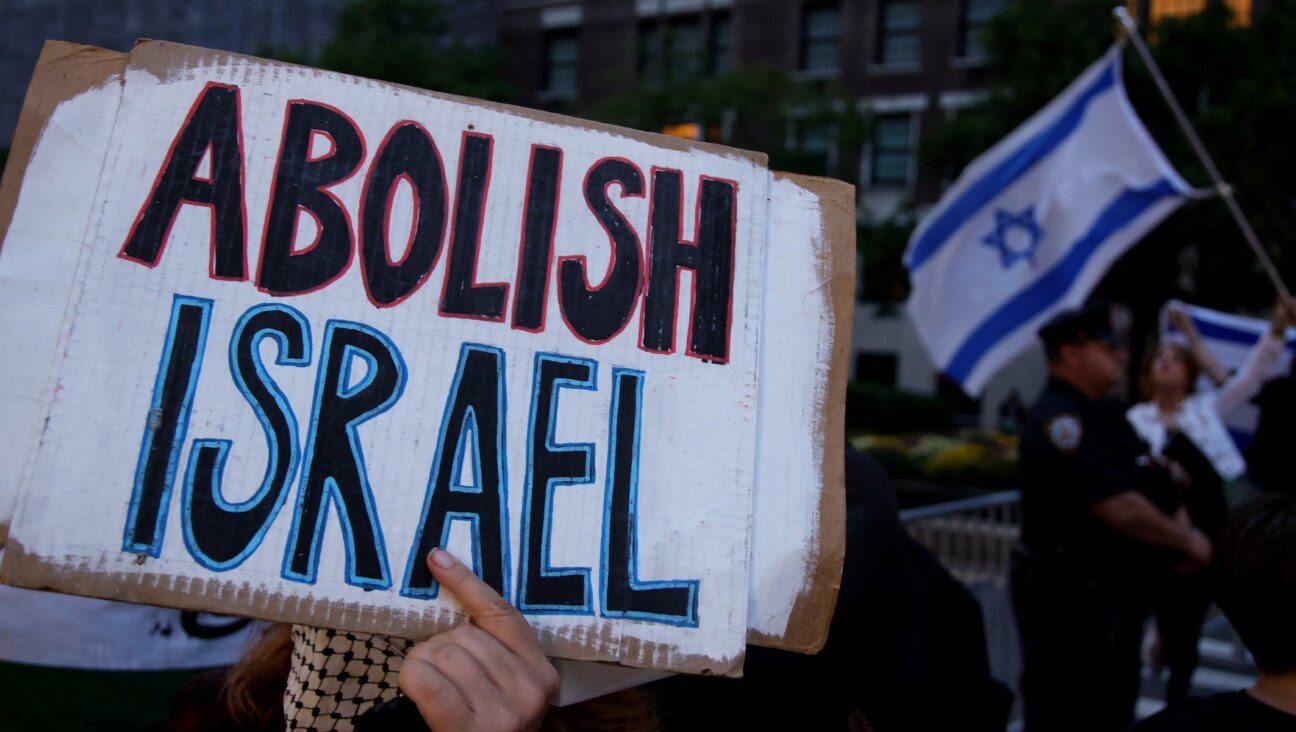
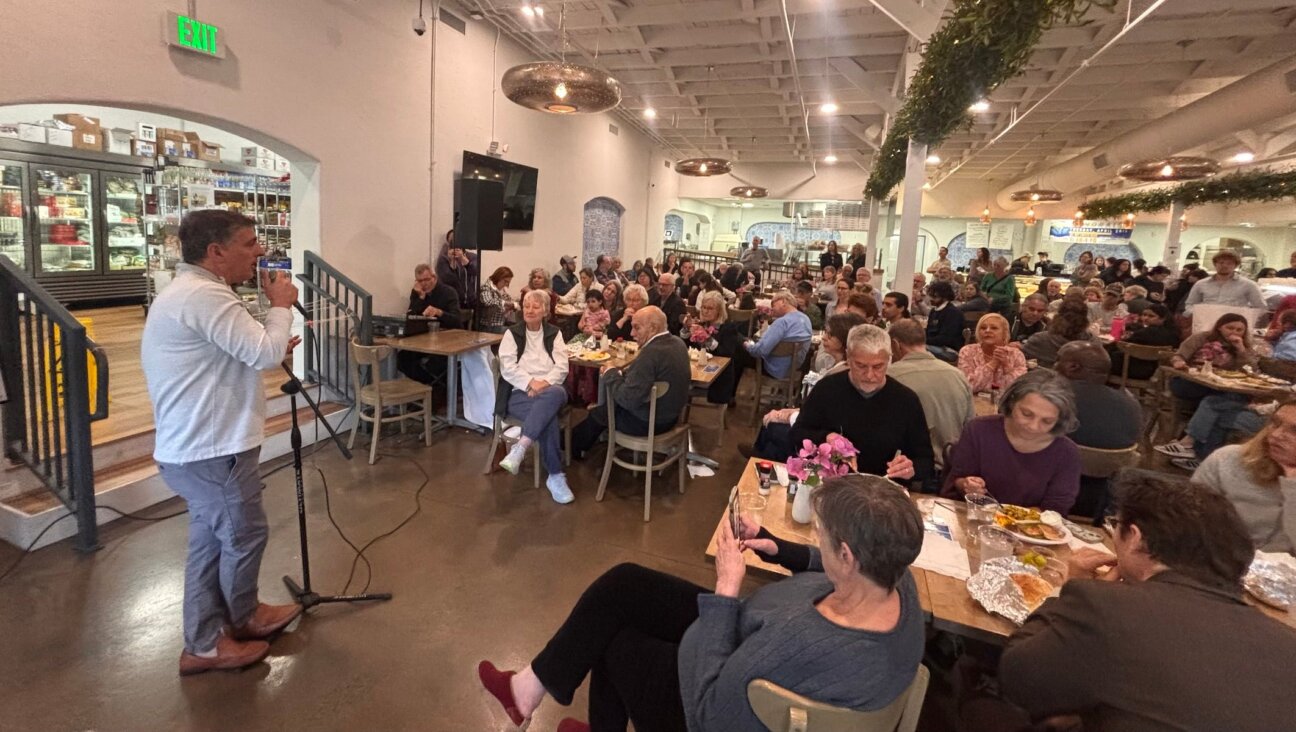
A couple of years ago we made a big decision that opened a few more tent flaps. We were asked by a group of left-leaning Jewish activists to host a gathering about an academic and cultural boycott of Israel. We agreed with the proviso that the panel would be fairly broad and that members of our congregations who were academics or artists could participate on that panel. It was a big night; no other synagogue that we knew of in New York had hosted such a conversation.
Our panel went off quite well, though some of its voices were louder and more insistent than others. The walls did not fall down. The members of more traditional synagogues who came because I invited them were not happy, but we remained in conversation and remain friends. Some of our members were not happy, either; some were very happy and some were thoughtfully in between. It was quietly groundbreaking. And I do not believe that Israel was harmed in the least: The Israelis on the panel were in favor of boycott, the Americans mostly against it. Ironic.
I believe in open tents. I believe that the whole Jewish community should be lifting the tent flaps a little higher. How is it that Jews, who argue as a matter of course and a matter of learning and a matter of survival, somehow have forgotten to argue where Israel is concerned? Why do we employ a new version of shunning instead of open argument? What are we afraid of?
Ellen Lippmann is the rabbi of Kolot Chayeinu, in Brooklyn.
Read the rest of our special coverage of how rabbis talk — or don’t talk — about Israel in synagogue.
Andy Bachman writes Congregation Needs To Be Involved in Israel To Make a Difference
Jacques Cukierkorn says In Kansas City, Backyard Issues Higher on Agenda Than Israel
Valerie Cohen warns Don’t Allow Views on Israel To Overwhelm Congregation
Asher Lopatin says Make Israel a Personal Issue for Congregation
Sam Fraint writes that Rabbis Must Speak About Israel, Warts and All
Ellen Lippmann advises building A Wide Tent on Israel, of Respectful Tension
Pinchas Allouche encourages shuls to Use Israel To Build Bridges Not Walls
It’s our birthday and we’re still celebrating!
We hope you appreciated this article. Before you go, we’d like to ask you to please support the Forward’s independent Jewish news.
This week we celebrate 129 years of the Forward. We’re proud of our origins as a Yiddish print publication serving Jewish immigrants. And we’re just as proud of what we’ve become today: A trusted source of Jewish news and opinion, available digitally to anyone in the world without paywalls or subscriptions.
We’ve helped five generations of American Jews make sense of the news and the world around them — and we aren’t slowing down any time soon.
As a nonprofit newsroom, reader donations make it possible for us to do this work. Support independent, agenda-free Jewish journalism and our board will match your gift in honor of our birthday!
Support our mission to tell the Jewish story fully and fairly.