Jessica Posner Wins Top Prize at VH1’s Do Something Awards
On Friday, 23-year-old Jessica Posner was in Kibera, Africa’s largest slum. Three days later she was in Los Angeles’ Hollywood Palladium, sitting amongst gliterrati like Snoop Dogg, chatting with host Jane Lynch and – ultimately – accepting a $100,000 Do Something Award on VH1 for her work in starting a school for girls and a community center in Kenya.
“It was pretty surreal to go from being in Kibera to being in Hollywood,” Posner told the Forward, just before her flight back to Kenya, scheduled for just two days after the awards ceremony. “The award just makes me want to work so much harder,” she said.
The Do Something Awards recognize people under 25 who are making an impact through what Shmooze readers might call tikkun olam.
Posner was nominated along with 14 other finalists in May and ultimately won for Shining Hope for Communities, an organization she co-founded with Kennedy Odede. Posner, a Jewish Denver-native, and Odede, who grew up in Kibera, have already opened The Kibera School for Girls (the slum’s first and only free school for girls) and the adjacent Shining Hope Community Center, which offers classes, a library, internet access and sanitary public toilets. The prize money will help the pair get started on a new clean water initiative and expand the school to serve more students.
“It’s sad and horrifying that people have to live the way they do,” said Posner, pointing to statistics – 66 percent of Kibera girls routinely trade sex for food – that only begin to illustrate the dire situation. “But it’s also amazing how people are able to cope with really difficult circumstances.”
"Why I became the Forward’s Editor-in-Chief"
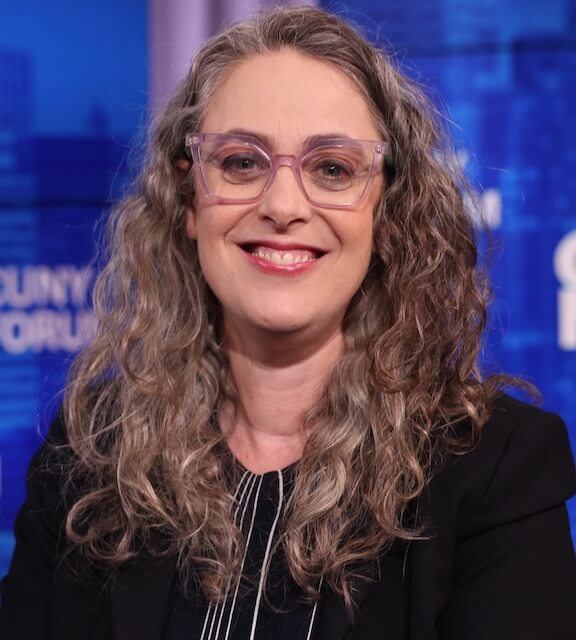
You are surely a friend of the Forward if you’re reading this. And so it’s with excitement and awe — of all that the Forward is, was, and will be — that I introduce myself to you as the Forward’s newest editor-in-chief.
And what a time to step into the leadership of this storied Jewish institution! For 129 years, the Forward has shaped and told the American Jewish story. I’m stepping in at an intense time for Jews the world over. We urgently need the Forward’s courageous, unflinching journalism — not only as a source of reliable information, but to provide inspiration, healing and hope.
Support our mission to tell the Jewish story fully and fairly.