More Lulav Fraud!
How naïve we were! Last week, we reported with some surprise, revelations that black market lulavs were being smuggled into Israel. Now, it seems that lulav fraud doesn’t stop with smuggling.
The Chief Rabbinate has put out notices in synagogues and public locations warning people to beware of lulavs whose tips have become split and which have subsequently been glued together. Rabbis differ on whether such a lulav may be used to recite the lulav blessing on Sukkot, as required by Jewish law.
The Chief Rabbinate’s notices say that if traders are selling “glued” lulavs, they can’t pass them off as normal ones as they currently do, and must make “full disclosure” to customers. Read about the warning here.
As the rabbinate raises awareness on glued lulavs, a British rabbi draws attention to the question of what goes on your etrog. “An etrog grower in Israel told me that with all the insecticides and herbicides he sprayed on his trees, he would have to be meshuggeh to eat the etrogs he cultivated,” Natan Levy, rabbi of the Orthodox Shenley United Synagogue near London, wrote in the Jewish Chronicle yesterday. “Another grower in Morocco assured me that an etrog was technically classified as a fruit, and beholden to the government-imposed parameters on pesticide use. Then, he confided in a quiet voice, because a single thrip (a small scaly insect that causes decolourisation on the peel) could lower the etrog’s selling price by £10-15 [$15-$22.50], he sprayed his etrogim more intensively than his other crops.”
Meanwhile, Israel’s Haredi email lists are buzzing with concerns about sukkahs assembled by restaurant-owners for diners. There are strict rules on what constitutes a “kosher” sukkah, and emailers are busy warning that just because a restaurant’s food is certified kosher, you can’t presume its sukkah is acceptable.
Why I became the Forward’s editor-in-chief
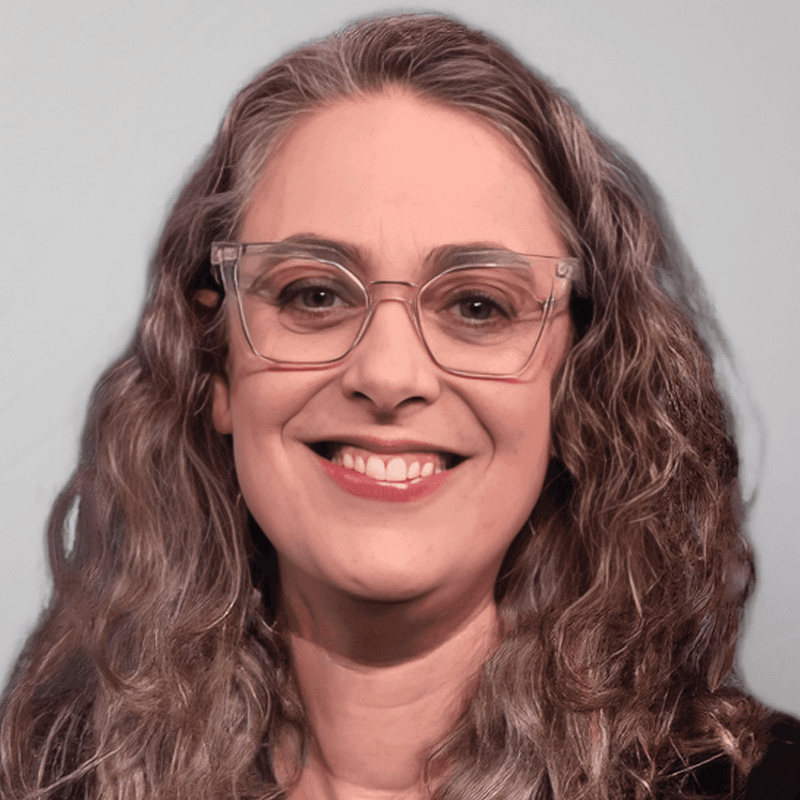
You are surely a friend of the Forward if you’re reading this. And so it’s with excitement and awe — of all that the Forward is, was, and will be — that I introduce myself to you as the Forward’s newest editor-in-chief.
And what a time to step into the leadership of this storied Jewish institution! For 129 years, the Forward has shaped and told the American Jewish story. I’m stepping in at an intense time for Jews the world over. We urgently need the Forward’s courageous, unflinching journalism — not only as a source of reliable information, but to provide inspiration, healing and hope.
 , editor-in-chief
Support our mission to tell the Jewish story fully and fairly.