‘Rhoda’ Actress’s Cancer Miracle
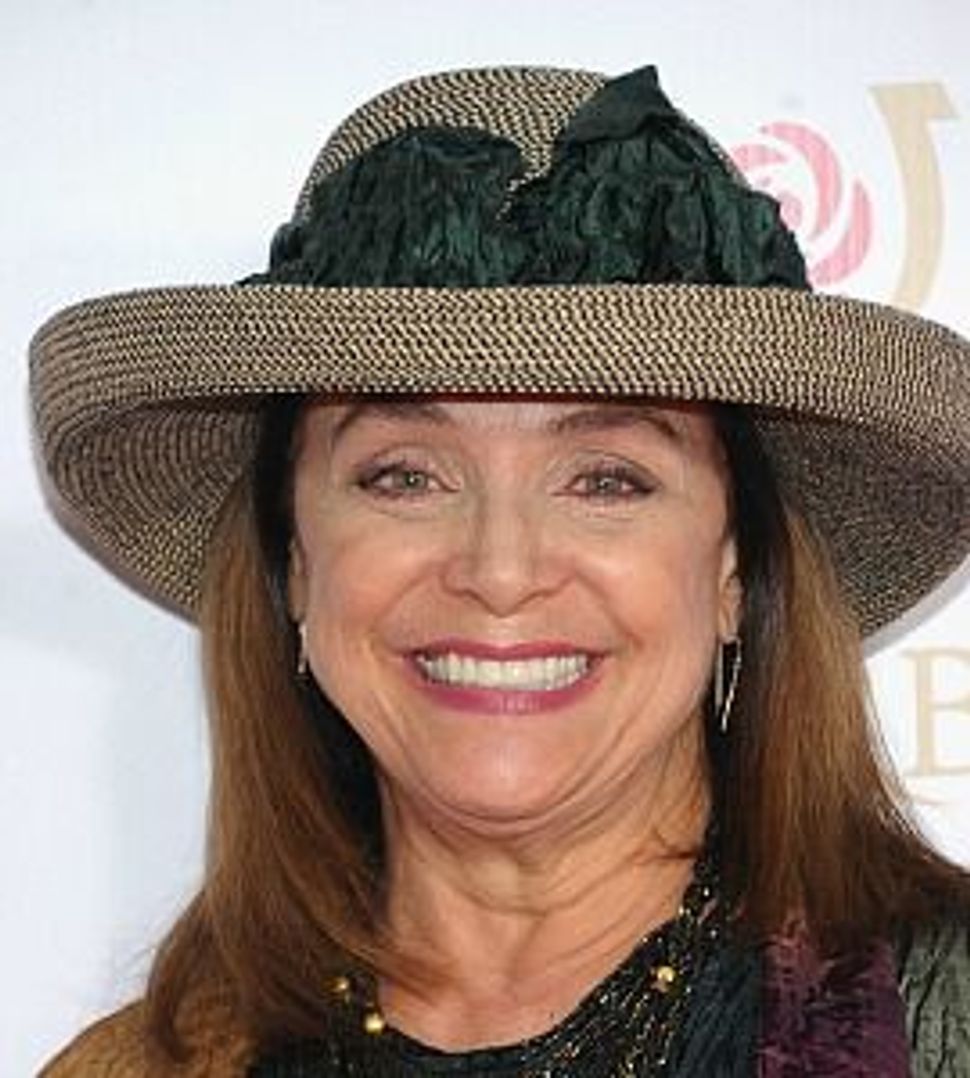
Valerie Harper Image by getty images
Actress Valerie Harper’s brain cancer is nearing remission, her physician said in an excerpt of a documentary that was shown on NBC’s “Today” show.
“I’d say that we’re getting pretty close to remission,” neuro-oncologist Dr. Jeremy Rudnick said in a documentary that will air next month on the U.S. network.
“It defies the odds,” he added, as Harper sat listening to the results of tests conducted in June.
Harper, 74, won four Emmy Awards for her signature role of Rhoda Morgenstern on the hit 1970s sitcoms “The Mary Tyler Moore Show” and spin-off “Rhoda.” The actress said in March that her diagnosis of leptomeningeal carcinomatosis – cancer in the membrane of her brain – meant she had as little as three months to live.
In June, NBC announced that it was shooting a documentary about Harper and her treatment.
Rudnick cautioned in the segment that resistance to treatment is all-but-assured, saying, “it’s not a matter of if, but of when.” The actress has received treatment ranging from chemotherapy to acupuncture.
“I am afraid of what’s ahead,” Harper said. “But, so what? There’s much to be afraid of in life.”
Harper completed a tour promoting her new autobiography “I, Rhoda” shortly before going public with her illness. Last year she starred on Broadway as actress Tallulah Bankhead in “Looped,” for which she earned a Tony nomination.
Harper has continued to work since her diagnosis, notably in an upcoming episode of the cable comedy series “Hot in Cleveland” in which she guest-starred with former cast mates Mary Tyler Moore, Cloris Leachman and series regular Betty White.
This is a moment of great uncertainty. Here’s what you can do about it.
We hope you appreciated this article. Before you go, we’d like to ask you to please support the Forward’s independent Jewish news this Passover. All donations are being matched by the Forward Board - up to $100,000.
This is a moment of great uncertainty for the news media, for the Jewish people, and for our sacred democracy. It is a time of confusion and declining trust in public institutions. An era in which we need humans to report facts, conduct investigations that hold power to account, tell stories that matter and share honest discourse on all that divides us.
With no paywall or subscriptions, the Forward is entirely supported by readers like you. Every dollar you give this Passover is invested in the future of the Forward — and telling the American Jewish story fully and fairly.
The Forward doesn’t rely on funding from institutions like governments or your local Jewish federation. There are thousands of readers like you who give us $18 or $36 or $100 each month or year.
Support our mission to tell the Jewish story fully and fairly.