Protecting Jewish Health
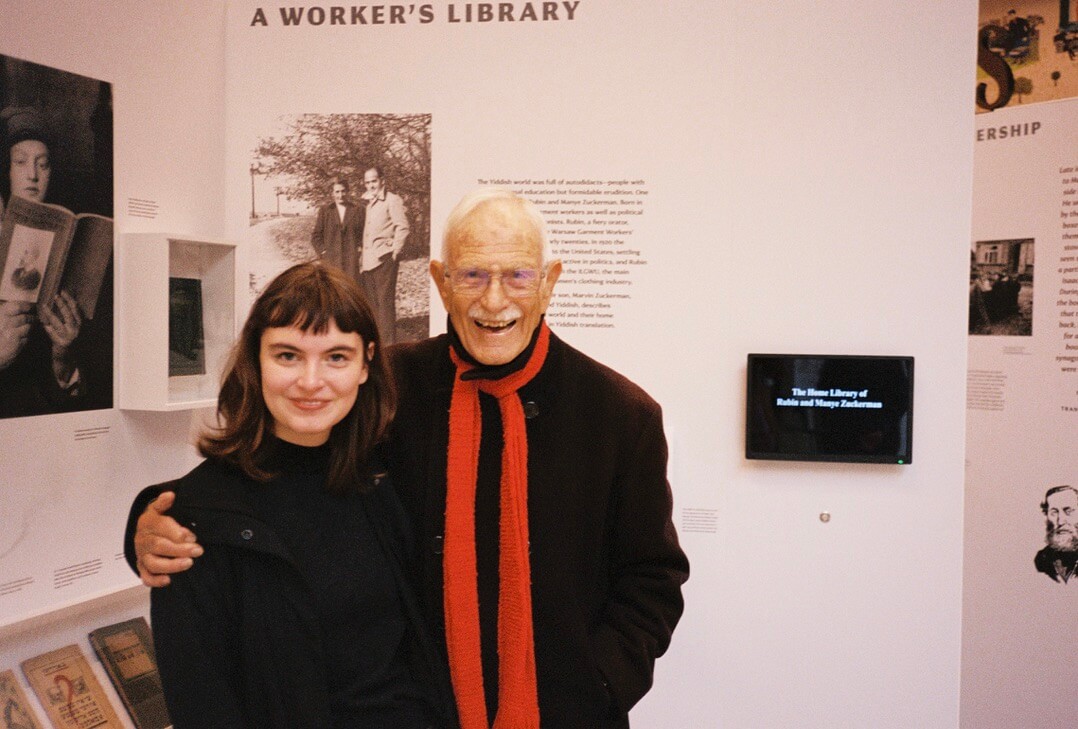
A new exhibit at the YIVO Institute for Jewish Research in New York highlights the history of a little-known organization called Society for the Protection of Jewish Health. Assistant Curator Jesse Aaron Cohen offers a preview of “Fighting for a Healthy New Generation,” which was curated by Krysia Fisher.
In 1912, the Obshchestwo Zdravookhraneniya Yevreyev (or OZE) was founded in St. Petersburg, Russia, charging itself with the task of preventing, detecting and treating disease among the Jewish people, with a special emphasis on the health of Jewish children. Over the next three decades, this organization, in its multiple incarnations, provided an unprecedented range of services aimed at improving the health, hygiene and quality of life of the most vulnerable members of Jewish society. These services included the publication and distribution of posters and educational pamphlets, the implementation of public lectures addressing health and hygienic issues, and the establishment and maintenance of hundreds of Jewish hospitals, nurseries and summer camps for orphans and needy children.
Through its work on the ground, often with the aid of American Jewish organizations, OZE and its affiliates succeeded in raising the standard of living of thousands of Jews across Eastern Europe, with very little government support. The story of OZE, therefore, is a lens through which to see just one of the innovative ways in which Eastern European Jews coped with the challenges of a world changing around them.
It’s our birthday and we’re still celebrating!
We hope you appreciated this article. Before you go, we’d like to ask you to please support the Forward’s independent Jewish news.
This week we celebrate 129 years of the Forward. We’re proud of our origins as a Yiddish print publication serving Jewish immigrants. And we’re just as proud of what we’ve become today: A trusted source of Jewish news and opinion, available digitally to anyone in the world without paywalls or subscriptions.
We’ve helped five generations of American Jews make sense of the news and the world around them — and we aren’t slowing down any time soon.
As a nonprofit newsroom, reader donations make it possible for us to do this work. Support independent, agenda-free Jewish journalism and our board will match your gift in honor of our birthday!
Support our mission to tell the Jewish story fully and fairly.