Yitzhak Shamir Spied on Me

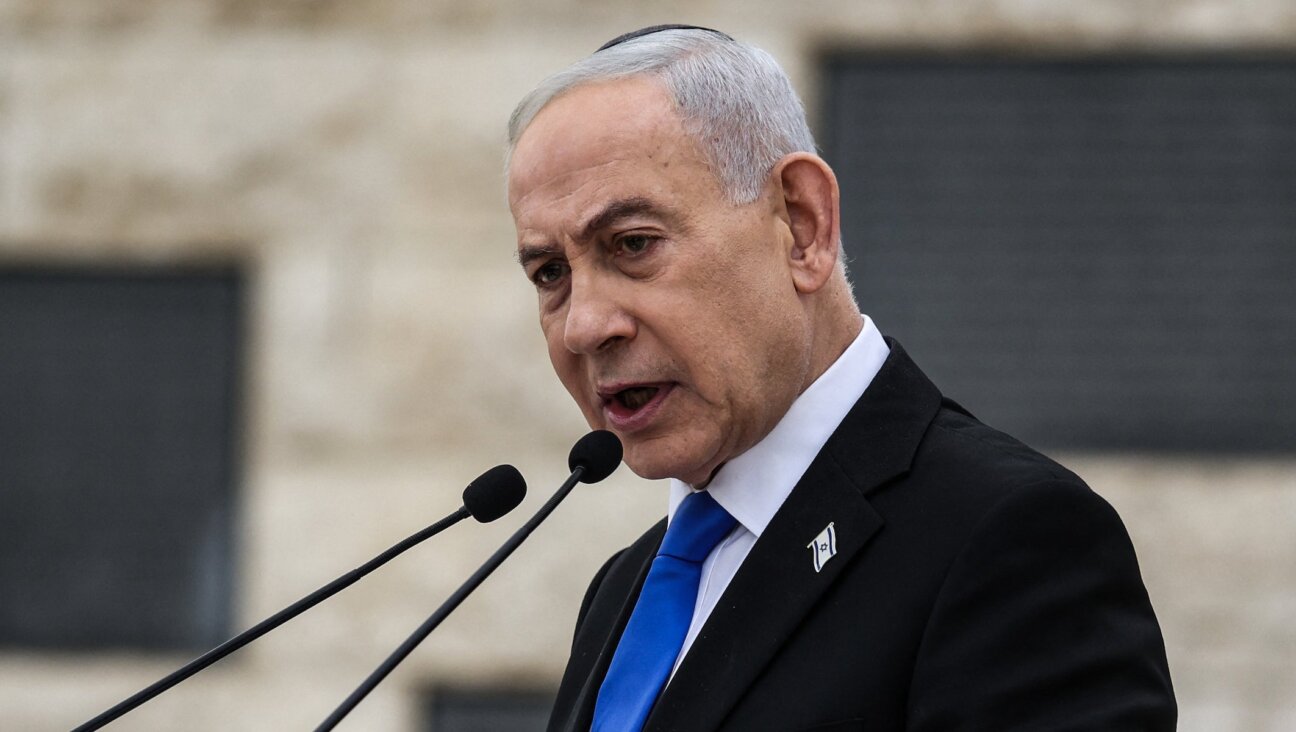
Image by getty images
I didn’t know Yitzhak Shamir, but he knew me – or at least tried to.
In January 1989, HaIr editor Meir Schnitzer and I appealed against a Chief Military Censor’s decision to the Israeli High Court, and won. The court gave permission to publish an article I wrote on an upcoming change in the leadership of the Mossad that was censored up until then.
Yitzhak Shamir, who at the time as Prime Minister had ministerial responsibility over the Mossad, was troubled by the court ruling, and his curiosity over the identity of the journalist who cracked the defensive wall of secrecy and darkness was aroused. He ordered the intelligence agency to write a report on the little-known journalist and present him with the findings. The Mossad’s security unit tackled the task and assembled a file on me.
This file must have been brief; how much information could they have gathered on a 23-year-old journalist working for a local Tel Aviv newspaper, with a less than exceptional high school and military record? And yet, since hearing about this incident, I’ve been curious what they have compiled in that file, which is most likely highly classified. Maybe one day I will read it, through the application of the Freedom of Information Law or courtesy of a local Wikileaks.
A few years later the roles reversed, and it was I who wanted to get to know Shamir. I was conducting research for a book I meant to write on the conduct of Israeli prime ministers from Shamir to Sharon. I was especially intrigued by him, the man with the bushy eyebrows. But his medical condition had already deteriorated, and I resigned myself to interviewing people in his close circle.
For more, go to Haaretz.com
It’s our birthday and we’re still celebrating!
We hope you appreciated this article. Before you go, we’d like to ask you to please support the Forward’s independent Jewish news.
This week we celebrate 129 years of the Forward. We’re proud of our origins as a Yiddish print publication serving Jewish immigrants. And we’re just as proud of what we’ve become today: A trusted source of Jewish news and opinion, available digitally to anyone in the world without paywalls or subscriptions.
We’ve helped five generations of American Jews make sense of the news and the world around them — and we aren’t slowing down any time soon.
As a nonprofit newsroom, reader donations make it possible for us to do this work. Support independent, agenda-free Jewish journalism and our board will match your gift in honor of our birthday!
Support our mission to tell the Jewish story fully and fairly.