Lena Dunham’s new memoir is the most millennial thing ever
‘Famesick’ has the same strengths and foibles as ‘Girls’ — but we’ve grown up now
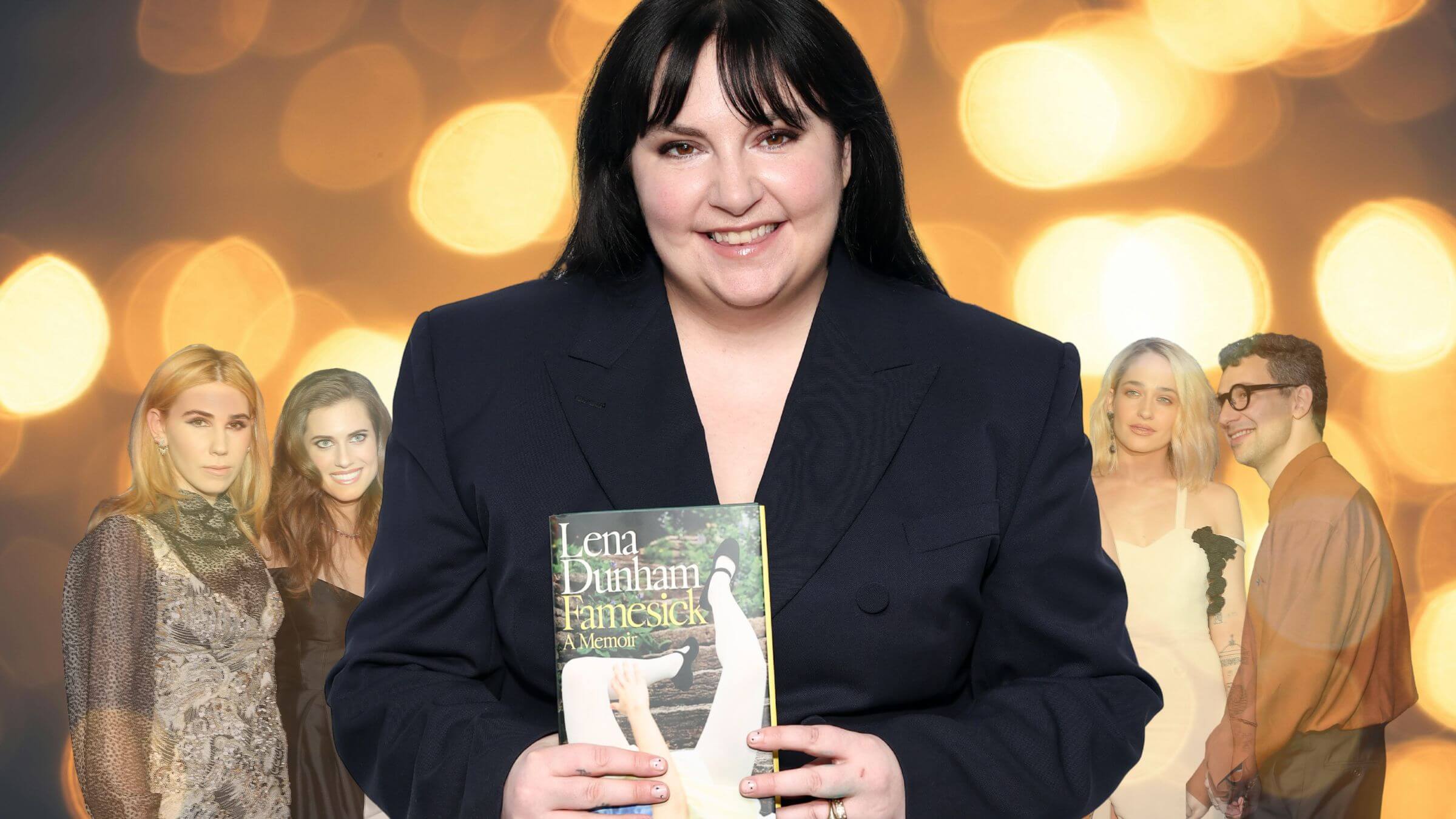
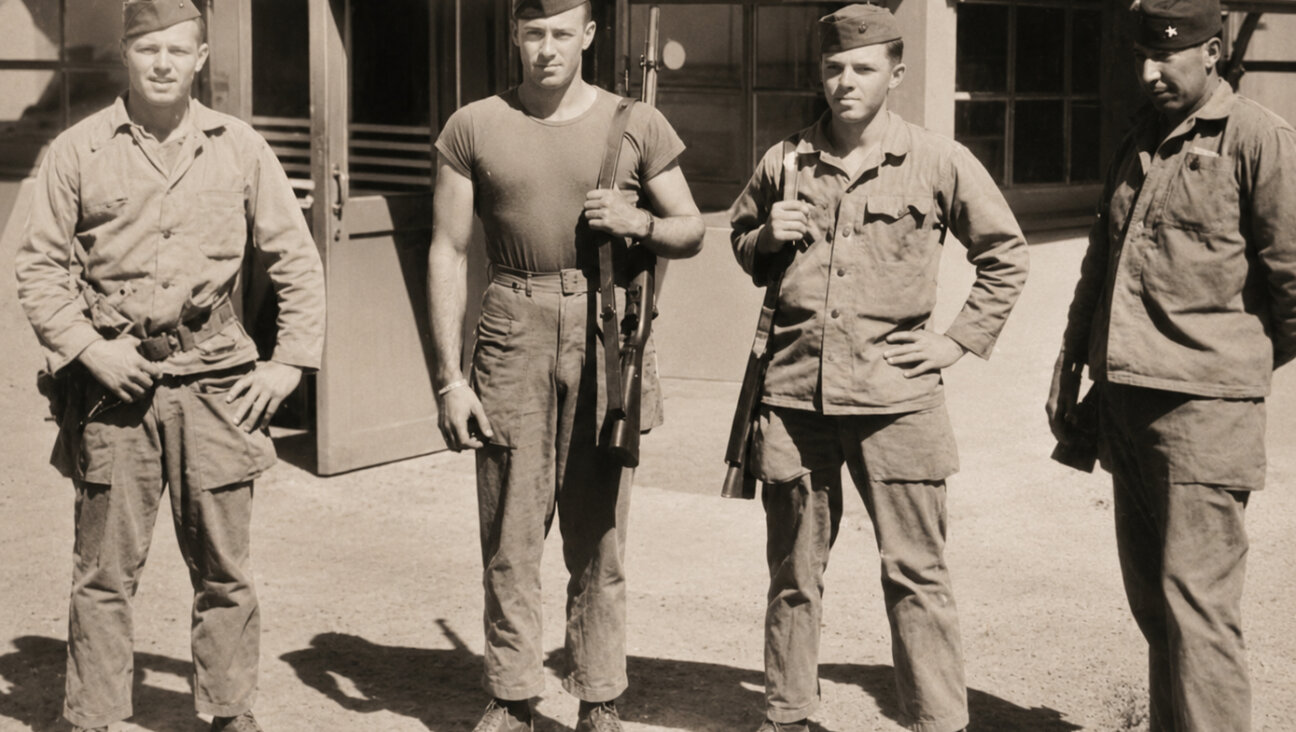
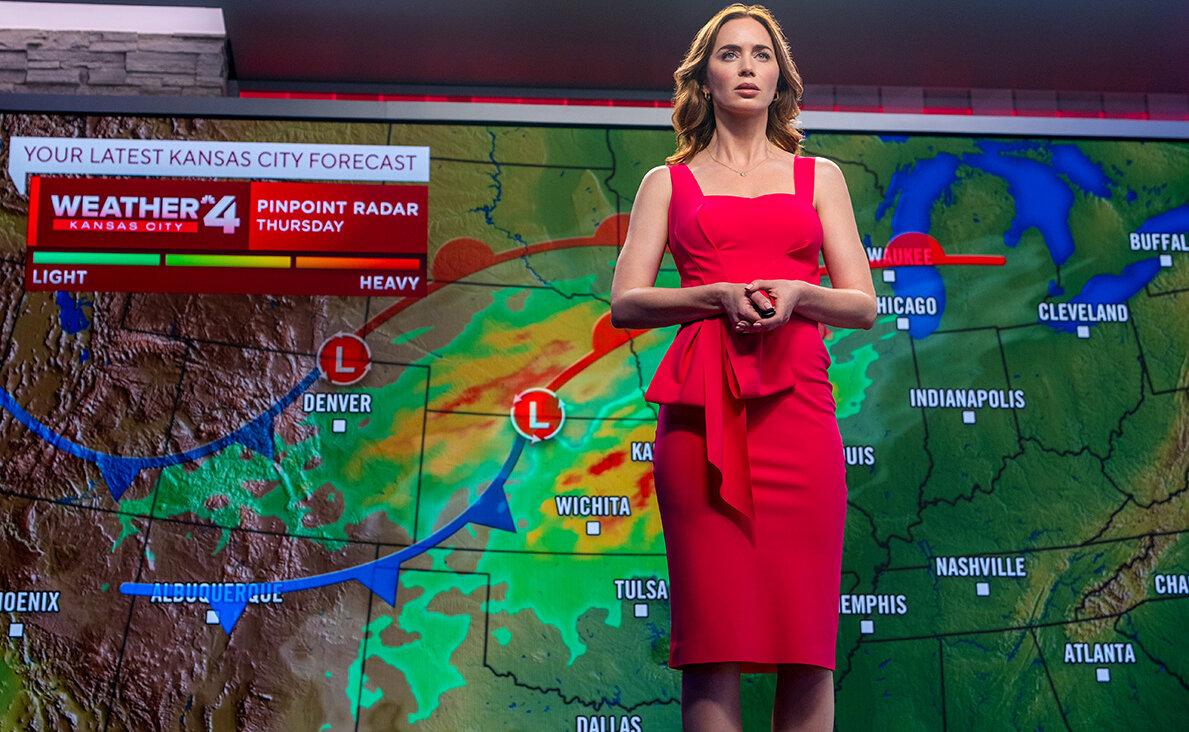
Lena Dunham, her new memoir, and a few of the memorable characters in it Image by Getty Images / Mira Fox

By Mira Fox April 21, 2026
Famesick
By Lena Dunham
Random House, 416 pages, $34
I’m still trying to figure out what to make of Lena Dunham’s new memoir, Famesick. It name-drops shamelessly; there are pointedly casual references to famous friends and acquaintances, and dishy gossip about others. It shares gory details about Dunham’s many, many hospital visits for endometriosis, broken bones, a hysterectomy and complications from Ehlers-Danlos syndrome. It is at times incredibly witty and sharply observed, at others self-pityingly indulgent.
But what I can say for sure is that it is the most aggressively millennial thing I’ve ever read.
Dunham is — to quote one of the most iconic lines from the first season of Girls, the show that launched her, at age 24, into the public eye — if not the voice of her generation, at least “a voice of a generation.” By now, we know which one.
This inspires conflicting feelings. I, myself, am a millennial woman, so reading Famesick feels nostalgic. I recognize myself in Dunham’s turns of phrase — the “disjointed prose poetry and abstract ideas of autonomy” that she posted online in her 20s — which is no accident given that I’m certain Girls, which came out when I was a sophomore in college, molded many of my thoughts of myself and my generation and what it meant to be a woman in the early 2010s.
But the subsequent, unending, vicious discourse — critics slamming Dunham, and the show, for being too self-centered, too privileged, too white, too vapid, too sex-obsessed — shaped me just as much. If I related to Girls, and something was fundamentally problematic about it, something must also be fundamentally problematic about me.
That makes it almost physically painful to read a scene like one in which Dunham’s family gathers to support her brother’s gender affirming surgery, a moment Dunahm recalls almost entirely in terms of how it affected her. Her parents are mad at her. She packed poorly. She carries her dog with her everywhere because, Dunham writes petulantly, “she needs me,” and “nobody else does.”
Yet despite these classic Lena Dunham moments, reaction to the book has been almost unfailingly positive. People are rewatching Girls. (I am, too.) They are bemoaning the vicious commentary on Dunham’s body and weight that characterized its run, and posting snippets of its best jokes online to marvel at how witty the show was. (I agree.) The show has aged surprisingly well.
But has Dunham? Famesick feels like it should be some kind of commentary on what it means for millennials to grow up. If Girls was so keenly aware of the forces of the 2010s, shouldn’t Famesick be equally on point? Is the positive reaction to it a sign of a change in society, a softening toward our much-criticized generation?
At times, it feels like it is; Dunham looks back on her heyday during Girls with as critical an eye as her worst haters, naming her faults in the way that has always made her work special, one part wry, one part heartbreakingly honest. In a much more guarded world, where we curate our social media feeds carefully instead of tell-all blogging, her observations about herself carry more weight.
The best parts of Famesick are about Dunham’s parents, both artists. Her mother is overflowing with the kind of New York Lower East Side Jewish artist oddity that feels lost to the bowels of time — she loves psychics, yet her favorite hobby, Dunham says, is finding medical experts. Her newfound fame, she writes, had the worst impact on “the dynamics with the women I’d known my whole life — my mother chief among them, the original frenemy who all would try and emulate but none could best.”
Writing of an argument with her mother that led them to stop speaking to each other, she realizes all the different forces at play in their relationship — Laurie Simmons was an accomplished artist before she was a mother to a celebrity, and Dunham knows she struggles with being eclipsed by her daughter’s fame. “But to express any of this skillfully would only be possible with the kind of high-level, egoless communication that rarely defines the mother-daughter bond,” the actor ruefully notes; instead, they ignore each other for two weeks and Dunham gives her heartfelt speech about motherhood to a ring Simmons had lent her. It’s funny, yet full of pathos, Dunham at her best.
This feels like an observation that should be at the heart of the book, the kind of Freudian root of all of Dunham’s insecurities, pleas for attention, struggles. Yet while Dunham is good at pinpointing her flaws, and they are many, she is not always good at reflecting on them, on where they come from or how to change.
“It seems to me, looking back, that I thought the cure to such widespread disdain — some of it personal, some of it political,” Dunham writes, “was not to show less of myself, but to show more, as if revealing myself down to the guts would allow for some kind of renewed understanding.” But this, she says, she has realized was, “just begging.”
Often, it feels like the book is doing the same thing. The change from the Dunham of Girls is less in the actor than it is in the audience. Now, with the benefit of hindsight, we can finally empathize with her.

Did you know that only 2% of Forward readers donate to support our nonprofit newsroom? That 2% make it possible for millions to read the Forward without a paywall or subscription — removing any barriers to the full and fair Jewish story.
But while the Forward is free to read, it isn’t free to produce. Big stories — like deep dives into the antisemitism data, political scoops or reporting trips to college campuses — take months of research and fact-checking. All while we keep you informed of what you need to know each day.
— Rachel Fishman Feddersen, Forward Publisher & CEO
Support our mission to tell the Jewish story fully and fairly.