Mamdani has made ample efforts for Jews. How come no one is telling that story?
A narrative of constant division and suspicion can’t help us move forward
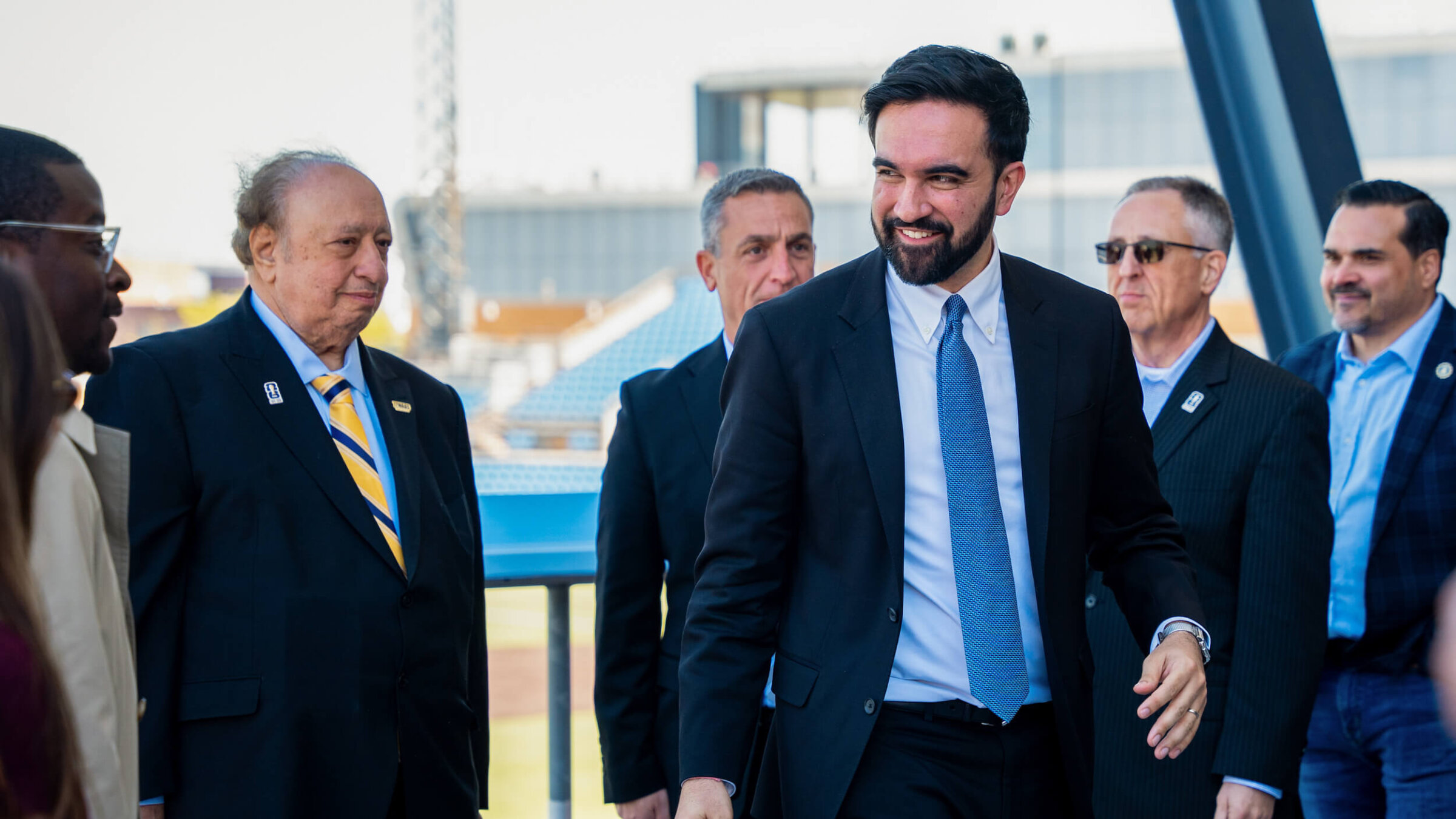
New York City Mayor Zohran Mamdani. Photo by Angelina Katsanis/Bloomberg/Getty Images
There is a familiar feeling I get these days when I hear about the supposedly unraveling relationship between New York City Mayor Zohran Mamdani and the city’s Jews. It is the same feeling I remember from the early days of the campus encampments protesting Israel’s war in Gaza, when a certain media narrative of out-of-control friction and my own lived experience felt as though they were taking place on different planets.
I remember reading alarming reports about campuses becoming hotbeds of violent division in late 2023. Jewish students, some pundits said, were allegedly under siege at every moment. Then I went to a nearby campus myself. What I saw was not a utopia. It was not an environment free of tension, politics, anger, confusion or pain. But nor was it a match for the apocalyptic portrait being painted over and over again in public discourse.
I saw young people trying, awkwardly and imperfectly, to navigate one of the hardest issues imaginable. I saw some Jewish students wearing watermelon kippahs, and others reciting Birkat Hamazon after a meal. I saw kaffiyehs and Free Palestine posters. I saw disagreement and activism, but also, on all sides, earnest engagement.
Multiple realities can exist simultaneously. I did not visit every campus in the United States, andI know there were genuinely frightening incidents in some places. But the disconnect between what I was repeatedly told I should be seeing and what I actually witnessed left me asking a question I still cannot shake: What does our community lose by constantly buying into a narrative of inevitable Jewish peril and division?
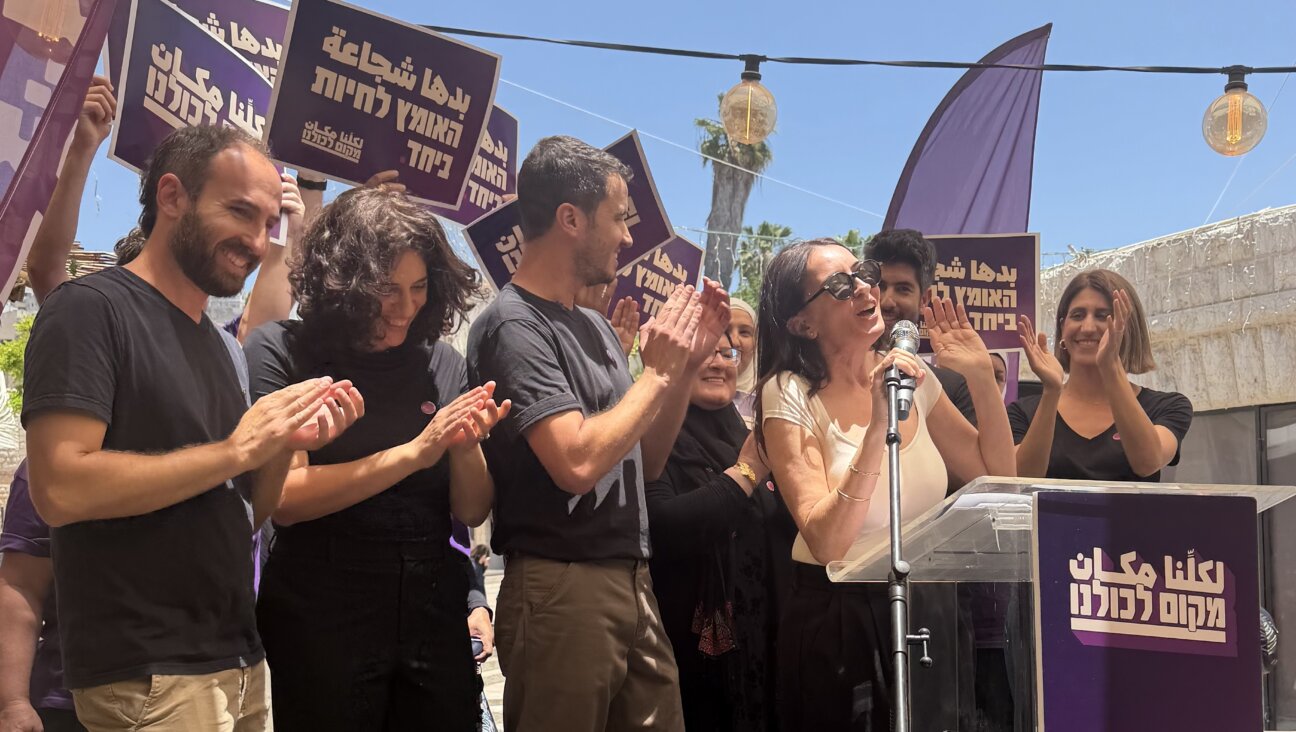
I find myself asking the same question now, as some New York City Jews accuse Mamdani of abandoning our community — as hundreds did during a Tuesday protest — and the New York media obsessively problematizes the relationship between Gracie Mansion and New York’s Jewish community.
Last week, I attended Mamdani’s Shavuot gathering honoring Ruth Messinger, an event that sparked yet another media furor over Mamdani’s relationship with his Jewish constituents, after some leaders boycotted the gathering. What much coverage missed: the event felt exactly like every other official Jewish gathering I have ever attended. There were rabbis, nonprofit leaders, Israeli and American Jewish activists, funders, organizers, old friends, awkward networking moments, mediocre wine, decent bagels and small talk.
And there was, above all, the deep sense of a genuine relationship. When the mayor roared “chag sameach!” into the room, smiling broadly, it did not feel performative to many of us because many of us actually know him. Personally. Through him showing up in Jewish spaces across New York over these past few years.
I have run into Mamdani on Yom Kippur. At Oct. 7 vigils. At Passover events. And looking around that room, it seemed many others shared that experience.
Why is our experience treated as somehow less significant when it comes to assessing how Mamdani stands with the Jewish community?
Why are we hearing so much more about the Jews who object to Mamdani’s policies than the many of us who embrace them? Last week’s gathering included progressive Jews, anti-occupation Jews, Israeli expats, liberal rabbis, artists, nonprofit workers, old-school establishment figures and more. Are our reasons for joyfully engaging with Mamdani so much less interesting than the boycotters’ reasons for questioning him?
Again, I am not suggesting antisemitism is fictional. It is real. It is rising. I have experienced it both online and offline.
Nor am I arguing that all criticism of Mamdani is inherently cynical or bad-faith. Politicians should be scrutinized.
But there is a meaningful difference between scrutiny and popularizing an incomplete narrative. And increasingly, it feels as though parts of our media ecosystem have become invested in telling a story about Jews and public life that leaves very little room for complexity, coexistence, contradiction or ordinary human interaction.
A story in which Jews are perpetually under threat from everyone around them. A story in which Muslim politicians and Jewish communities are naturally destined for conflict. A story in which any evidence to the contrary must be minimized, reframed or treated as suspicious.
It’s true that at least one poll shows that a majority of New York City Jews remain skeptical about Mamdani. But it’s also true that those views have in part been shaped by breathless coverage that neglects to engage with how much Mamdani’s viewpoint actually reflects that of many American Jews. After all, almost 40% of American Jews believe Israel committed a genocide in Gaza. Is a mayor who has opened the door to those viewpoints — when those of us who hold them have often been excluded from official spaces — neglecting the Jewish community, or just engaging with it in a different way?
I left Gracie Mansion last week wondering whether some people have become so attached to the performance of Jewish communal crisis that moments of genuine civic warmth now feel almost threatening to the narrative itself. I wondered that again, reading about Tuesday’s protest. Mamdani has spent years intentionally building relationships inside Jewish New York; I saw them on display last week, in a way that felt profound and meaningful.
Actual coexistence isn’t just possible; it’s happening. Why not tell that story, rather than endlessly forecast an inevitable fracture?
Did you know that only 2% of Forward readers donate to support our nonprofit newsroom? That 2% make it possible for millions to read the Forward without a paywall or subscription — removing any barriers to the full and fair Jewish story.
But while the Forward is free to read, it isn’t free to produce. Big stories — like deep dives into the antisemitism data, political scoops or reporting trips to college campuses — take months of research and fact-checking. All while we keep you informed of what you need to know each day.
— Rachel Fishman Feddersen, Forward Publisher & CEO
Support our mission to tell the Jewish story fully and fairly.