Mamdani Nakba Day video prompts pushback from Jewish leaders amid rising tensions
Profile of a displaced Palestinian, posted on the mayor’s official accounts, escalates call to boycott Jewish reception at his residence
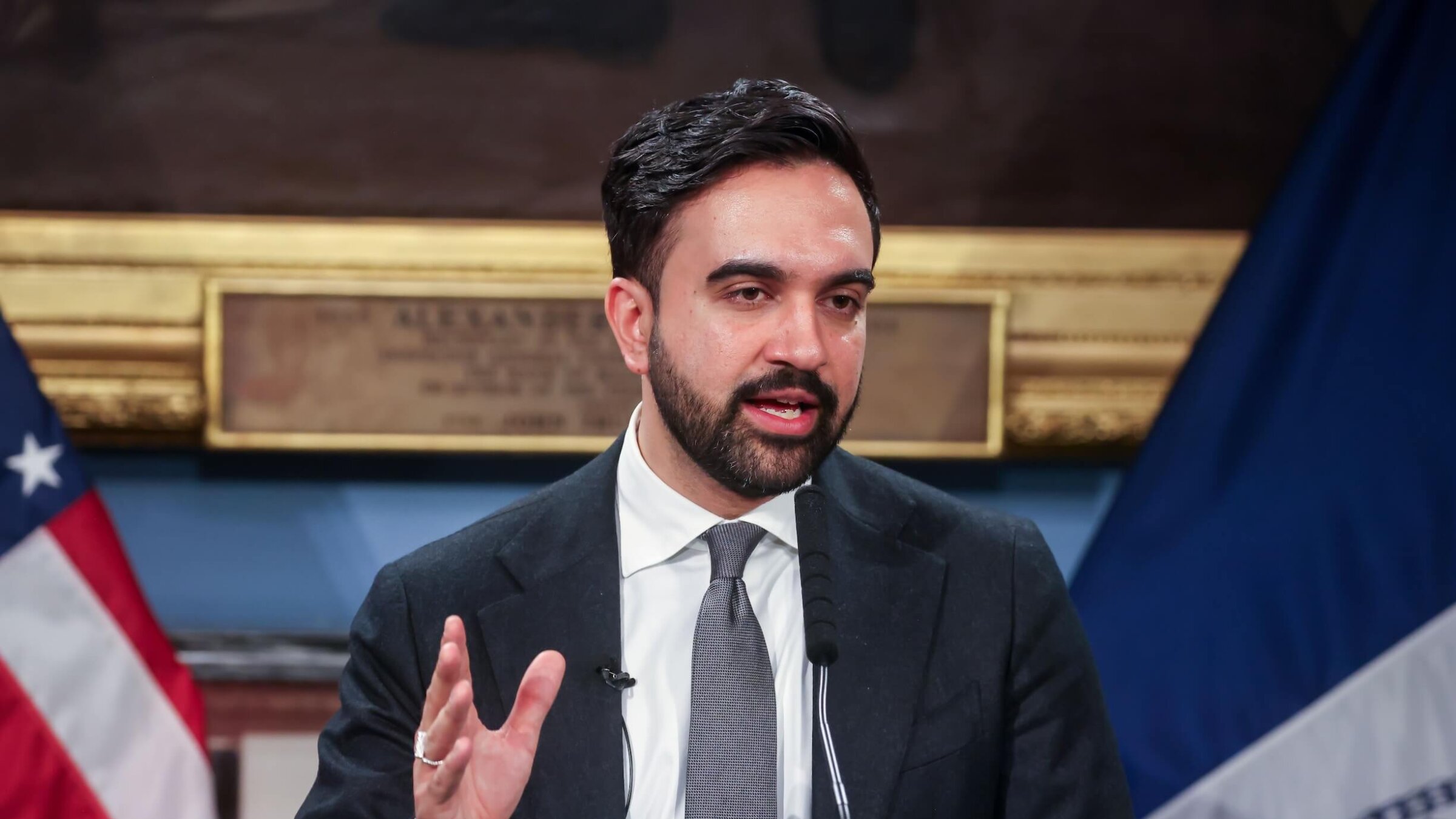
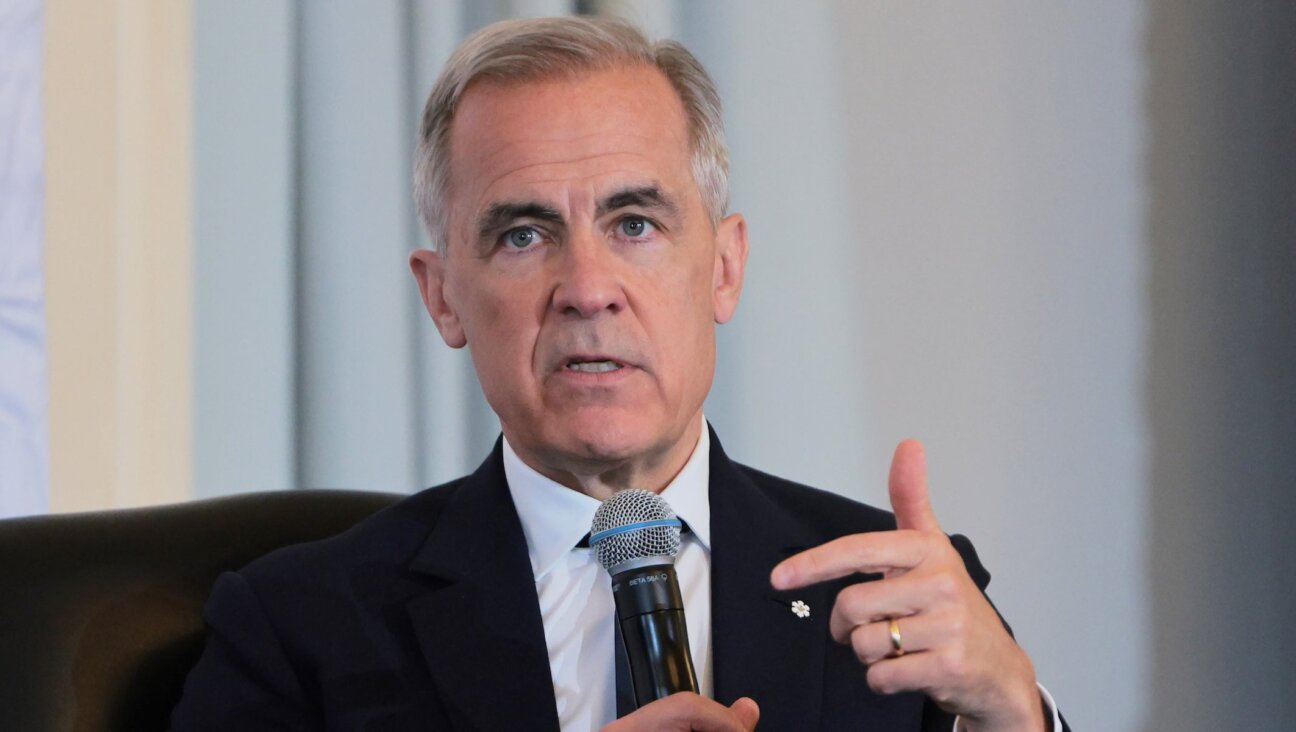
New York City Mayor Zohran Mamdani on May 12. 2026. Photo by Michael Nagle/Bloomberg

By Jacob Kornbluh May 18, 2026
New York City Mayor Zohran Mamdani once again angered many Jewish New Yorkers, already uneasy about his criticism of Israel, after posting a video on Friday made by his City Hall team marking Nakba Day, which remembers the displacement of thousands of Palestinians during the creation of Israel in 1948. “Nakba” means “catastrophe” in Arabic.
Mamdani, who rose to power aligned with pro-Palestinian activism, has been unapologetic about his anti-Zionist views and signaled they would shape his tenure. The Jewish community overwhelmingly did not support his election. Mamdani has supported efforts to divest from Israel Bonds and has refused to recognize Israel as a Jewish state — all this reversing years of steadfast support of Israel by mayors of New York City, which has about 1 million Jewish residents. While people who identify as Palestinians number just a few thousand in official records, about 150,000 New Yorkers told the last Census that they are of Mideast descent, excluding Israel.
The post drew fierce backlash from Jewish leaders, who accused Mamdani of promoting a one-sided view of the Israeli-Palestinian conflict while ignoring Israel’s history and alienating the many New Yorkers who have connections to Israel.
The four-minute video featured New Yorker Inea Bushnaq, who recounted her experience as her family fled their home in East Jerusalem because “the Zionists were coming into Jerusalem,” and moved to Nablus. It had 10 million views on the social media platform X by Sunday evening, one of multiple platforms where it was posted on the official NYC Mayor’s Office accounts.
Today marks Nakba Day, an annual day of remembrance to commemorate the expulsion of more than 700,000 Palestinians between 1947 and 1949 during the creation of the State of Israel and the year that followed.
— Mayor Zohran Kwame Mamdani (@NYCMayor) May 15, 2026
Inea is a New Yorker and a Nakba survivor. She shared her story with us… pic.twitter.com/z2PBOaJq5Z
Olivia Becker, Mamdani’s video director, who filmed the interview, reposted supportive messages on X from allies of the mayor, highlighting the significance of his becoming the first New York City mayor to publicly commemorate Nakba Day.
Many Israelis argue that the displacement of Palestinians occurred in the context of the war launched by neighboring Arab states and Palestinian groups against the newly declared State of Israel, while some progressive Jewish groups and pro-Palestinian advocates say the Palestinian experience and the continued statelessness of millions of Palestinians should also be publicly acknowledged. Jewish leaders also noted that Mamdani’s video ignored the massacre of Jews pre-state and the displacement of hundreds of thousands of Jews from Middle Eastern countries. Many New Yorkers and Israelis are themselves descendants of Jews who were expelled or forced to flee Arab countries such as Egypt, Syria and Yemen.
Yaacov Behrman, a Chabad-Lubavitch activist in Brooklyn — who has appeared with Mamdani and attended a roundtable discussion with Orthodox leaders at City Hall — harshly criticized the mayor for platforming a “dishonest characterization” of history. “The tweet’s one sided narrative deepens division instead of advancing peace, coexistence, and understanding, and it should never have been posted by the mayor of New York City,” Behrman said.
Tony Award-winning actor Ari’el Stachel, whose father immigrated to Israel from Yemen, mocked Mamdani’s muddled response to rising antisemitism in an Instagram satire in which he struggles to say “I am outraged by antisemitism” — but eagerly looks forward to releasing the Nakba Day video.
Mamdani stood by the video on Monday morning when asked what civic purpose was served by using city resources and the mayor’s official account to post it. “Acknowledging anyone’s people’s pain does not preclude you from the acknowledgement of another people’s,” Mamdani told reporters, noting that “there are many Nakba survivors in New York City.”
The video prompted the latest clash between Mamdani and major Jewish and Zionist organizations over Israel-related issues. Last month, Mamdani vetoed a City Council bill requiring safety plans for protests near schools, while allowing a separate measure protecting houses of worship to become law without his signature. In January, Jewish leaders criticized his delayed response to a protest in which demonstrators chanted pro-Hamas slogans. Mamdani also faced backlash from Zionist Jewish organizations on his first day in office after revoking executive orders tied to antisemitism and campus protests.
Mamdani came under fire during the mayoral race last year for defending the slogan “globalize the intifada,” used by some at the pro-Palestinian protests and perceived by many as a call for violence against Jews.
Mamdani’s Jewish Heritage reception
Mamdani is set to host Jewish leaders and activists at Gracie Mansion, the mayor’s official residence, on Monday to mark Jewish American Heritage Month. The annual event has been programmed by Mamdani’s team as a celebration in honor of the Shavuot holiday, with a dairy menu.
Former Assemblyman Dov Hikind had urged Jewish leaders to boycott the event before Friday’s video was released. “You don’t have to go for cheese blintzes to Gracie Mansion,” Hikind said in an interview Sunday, arguing that attendance would legitimize Mamdani’s anti-Zionist posture. “I have no doubt that Mamdani is laughing all the way to the bank,” said Hikind, who now runs Americans Against Antisemitism. “I can tell these Jews that he would have greater respect for you if you started to believe in something.”
Hikind said he had been told that photographers from the New York Post planned to stage outside the mayoral residence on the East River to photograph attendees entering the event and that activists intend to circulate the images on social media to publicly shame participants.
The UJA Federation of New York, which hosted Mamdani for a mayoral candidate forum last year, said its leadership will not be attending the event “being hosted by a mayor who denies a core pillar of our heritage — the State of Israel as the homeland of the Jewish people.” Rabbi Joseph Potasnik, executive vice president of the New York Board of Rabbis, also told the Post he declined an invitation to join. “Jewish history didn’t end in 1946,” said Potasanik, who was among 19 Jewish leaders on Mamdani’s transition team.
On Monday, Mamdani said he remains committed to engaging with Jewish leaders despite the bad blood and disagreements. “My door is always open,” Mamdani said. “That is a door that we will keep open beyond just this evening’s event, beyond just Jewish American Heritage Month, and it is part of a commitment to be the mayor for every New Yorker.”
For observers, the repeated episodes underscore the widening divide between a mayor who sees outspoken advocacy for Palestinians as part of his political identity and the largest Jewish community outside Israel, which increasingly views his approach to Israel and antisemitism as dismissive of its concerns despite his repeated promises to protect and engage with Jewish New Yorkers.
This post has been updated to include the mayor’s reaction.
I’m personally matching all gifts to the Forward, up to $36,000. Can I match your gift now?

Hello, fellow Forward reader! I’m Joel Brown, a Forward reader and supporter for more than 15 years, and currently the chair of the board of directors.
I’m an avid Forward reader because it ticks so many of my essential boxes: excellent journalism, Jewish focus and diverse viewpoints. In today’s political climate, what I most appreciate is the Forward’s independence — made possible by the generosity of its membership.
The Forward is committed to bringing you unbiased, nuanced Jewish news. From my position as board chair, I see an exciting future as we expand our position as the definitive independent voice of contemporary American Judaism.
— Joel Brown, Forward board chair
Support our mission to tell the Jewish story fully and fairly.