Inside Mamdani’s split decision on synagogue and school protests in NYC
Zohran Mamdani’s first veto as mayor is deepening tensions with New York’s Jewish community
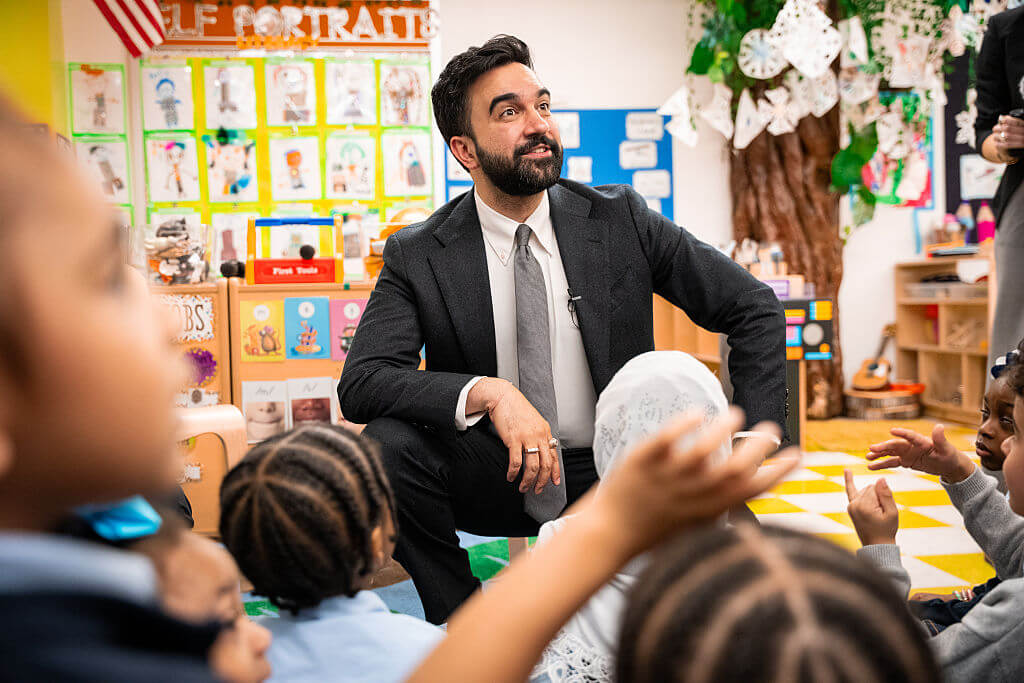
New York City Mayor Zohran Mamdani at an event at a school in the Bronx on April 18. Photo by Angelina Katsanis/Pool/Getty Images

By Jacob Kornbluh April 26, 2026
New York City Mayor Zohran Mamdani vetoed on Friday a City Council bill aimed at requiring safety plans around protests near schools, while allowing a separate measure protecting houses of worship to become law.
The split decision — his first veto since taking office more than 100 days ago — drew sharp backlash from a wide swath of Jewish organizations, reinforcing concerns about his handling of antisemitism in a city with the largest Jewish population in the United States and his alignment with the pro-Palestinian protest movement.
Here’s a step-by-step explainer of what happened, why it matters and what happens next.
What’s the difference between the two bills?
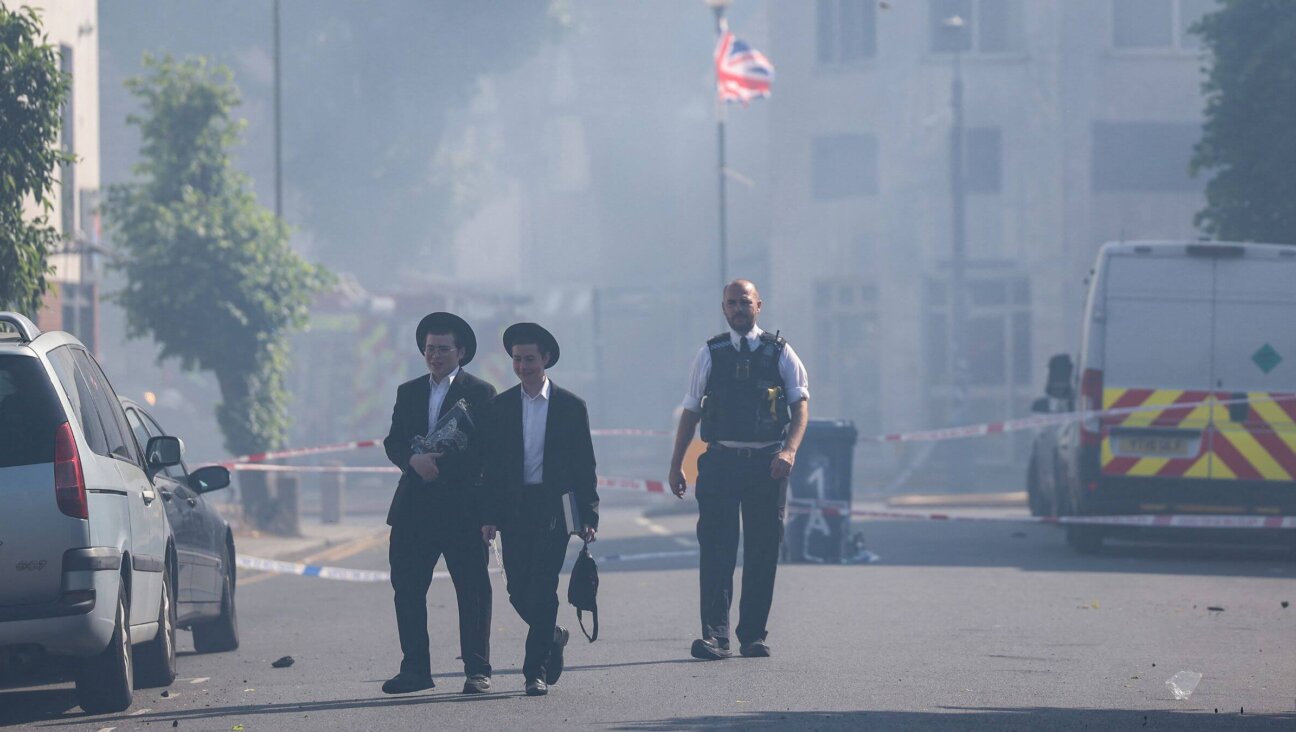
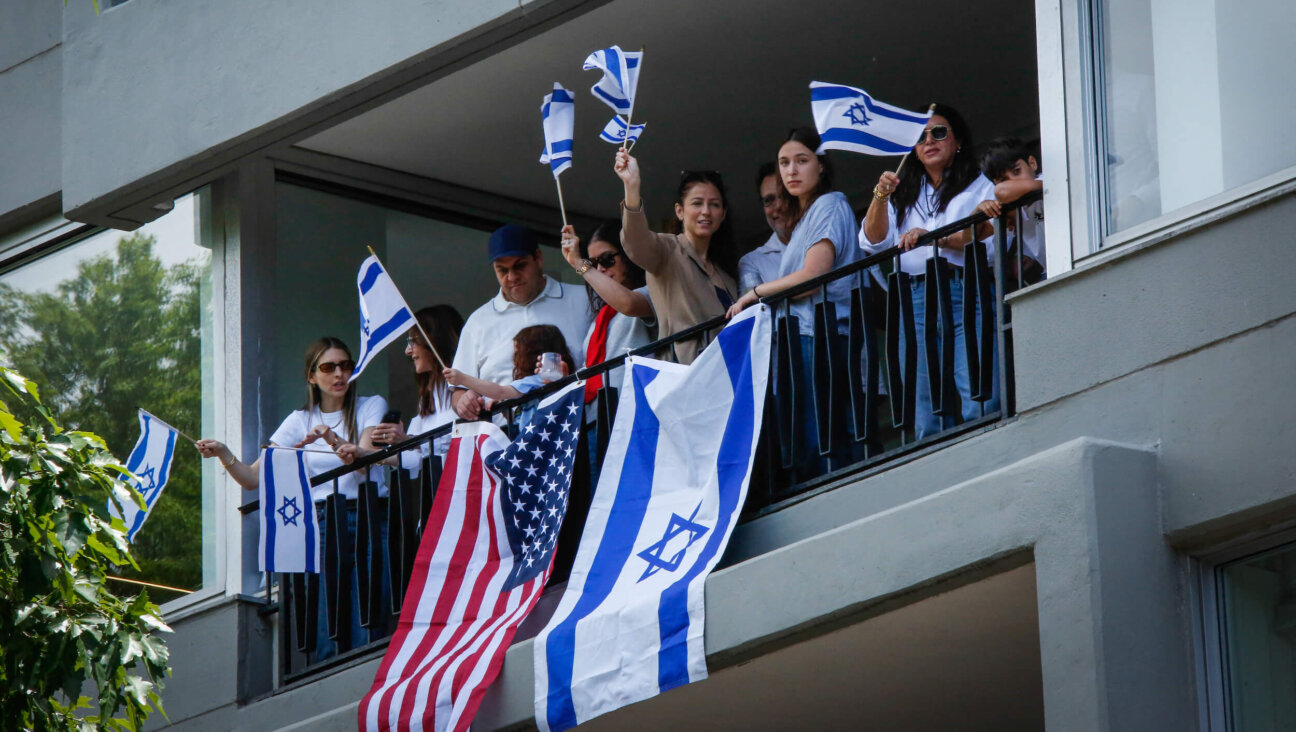
The City Council passed two companion bills last month aimed at curbing disruptive demonstrations outside synagogues and schools as part of a broader package to address rising antisemitism. One focused on houses of worship, requiring the New York City Police Department to develop a plan within 45 days for managing protests around the entrances. The proposal emerged following disruptive protests in recent months outside the Park East Synagogue in Manhattan and Young Israel of Kew Gardens Hills in Queens centered on events promoting immigration to and real estate in Israel.
The second bill focused on schools and educational institutions. Progressive groups and labor unions opposed the schools bill, arguing it could impact their ability to organize and potentially limit pro-Palestinian demonstrations, particularly on campuses.
Why were there two bills?
The measures were largely similar in scope and raised comparable constitutional considerations around the rights to free exercise of religion and peaceable assembly. It was scaled back from an earlier buffer-zone proposal after objections from the mayor’s police commissioner and civil liberties groups about a one-size-fits-all rule.
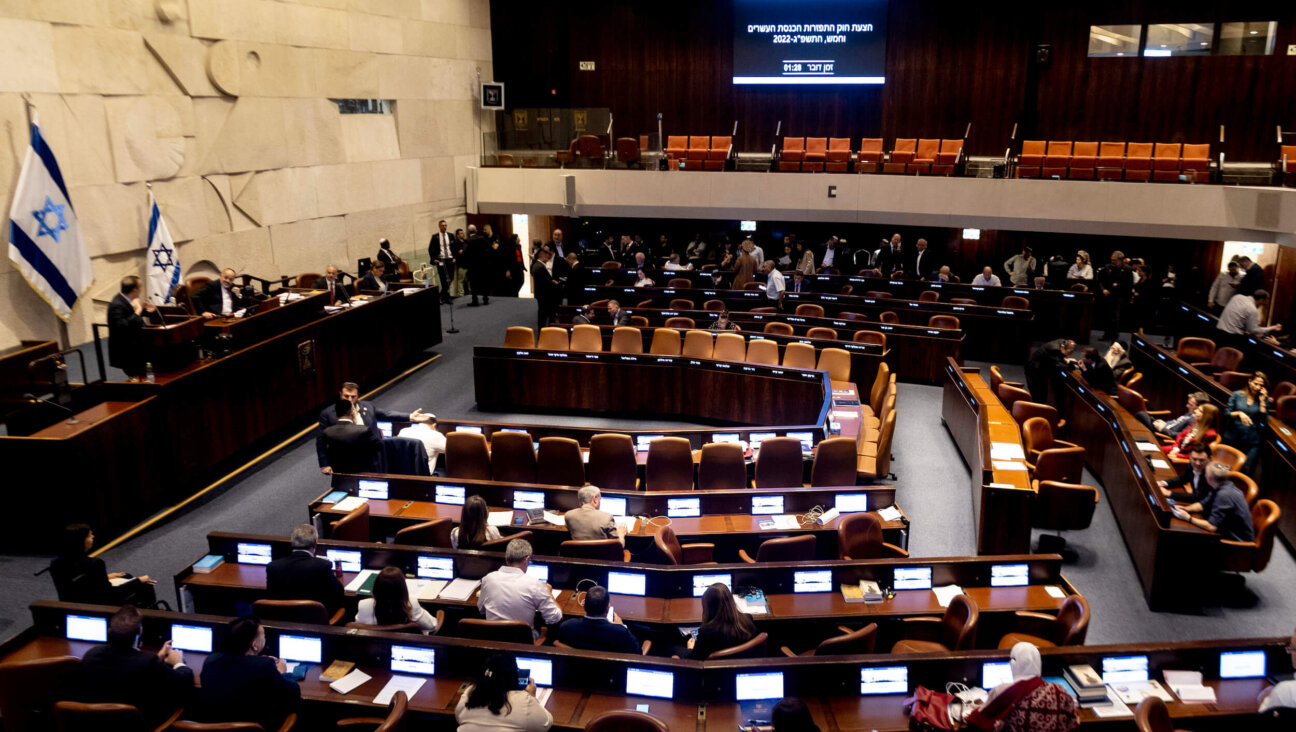
The measures were split by Julie Menin, New York’s first Jewish speaker of the City Council, who was elected unanimously by the Council’s 51 members and seen by some as a counterweight to Mamdani on Jewish issues. She helped secure broader support for the synagogue-focused bill, aimed at addressing fears of intimidation for congregants entering houses of worship.
At the same time, the separation gave critics room to oppose the schools measure, which has drawn more sustained protest activity since Oct. 7, 2023 and raised sharper free speech concerns.
How did the City Council vote?
The houses of worship buffer zone bill, which was authored by Menin, passed with a 44–5 veto-proof majority in the 51-member chamber.
The schools bill, introduced by Councilmember Eric Dinowitz, passed by a narrower margin, 30-19, and could be vetoed by Mamdani.
What happened on Friday?
A day before the bills would automatically take effect, Mamdani vetoed the schools bill. At the same time, he allowed the houses of worship bill to take effect without his signature.
In a video statement, Mamdani said the distinction is legal and constitutional. He said that while he expressed reservations about the houses of worship measure, the final version of the bill was narrowed to avoid constitutional concerns and largely requires existing NYPD practices. The schools bill, he said, remained too broad and lacked a clear balance between the right to protest and other constitutional protections. Mamdani claimed that it was broader in scope and would include museums, libraries and teaching hospitals.
The measure could have applied to some public campuses, including City University of New York schools, depending on how policies were implemented. Private campuses — like Columbia University — would likely not be affected, since the NYPD is generally not authorized to operate on their property without coordination.
How did Jewish groups respond?
The backlash was swift and rather unified.
“This veto is a profound failure of City Hall to demonstrate to all New Yorkers that our safety is a priority,” a coalition of major Jewish organizations, including the Conference of Presidents and the Union for Reform Judaism, said in a sharp-worded statement. The New York Board of Rabbis, which has engaged with Mamdani since his election, also signed on to the statement.
Even the New York Jewish Agenda, a progressive Zionist group formed in 2020 to be a voice for liberal Jews in New York, said it was “disappointed” by Mamdani’s veto and his dismissal of a “good faith effort” to lower tensions. Mamdani attended NYJA’s Hanukkah celebration and said he associates himself with their mission of “bringing people together” on critical issues. Its most recent executive director is Phylisa Wisdom, now head of the mayor’s Office to Combat Antisemitism.
Rev. Al Sharpton, an ally of Mamdani, was also upset about the mayor’s veto of the schools bill, calling its implementation ”important” for the safety of all communities.
Mamdani’s progressive Jewish allies — Jews For Racial & Economic Justice and Bend the Arc — welcomed his veto, calling it a “victory for free speech and civil liberties in New York City.“
Why did Mamdani do it?
The move was an early signal of Mamdani’s governing style as he marks three months in office.
A strident critic of Israel who rose to power aligned with pro-Palestinian activism, Mamdani appears willing to take politically difficult positions in step with his base on the Israeli-Palestinian issue, even if it risks alienating mainstream Jewish institutions.
At the same time, he avoided a fight he was likely to lose — vetoing the synagogue bill only to have the Council override his veto — sidestepping a direct confrontation with the Jewish community, already uneasy over his responses to antisemitism and pro-Palestinian protests.
What happens next?
The City Council could attempt to override Mamdani’s veto of the schools bill within 30 days, though it would need an additional four votes. Lawmakers could also revise the bill to address legal concerns and try to pass it again, but this time with a veto-proof majority.
Meanwhile, the NYPD is expected to move forward with drafting a plan for the houses-of-worship measure and present it within 45 days.
Longer term, this moment may shape Mamdani’s relationship with the Jewish community and test whether he can broaden his coalition in a city where concerns about his policies carry significant weight.
Last week, the city’s most senior Jewish elected officials — Menin, City Comptroller Mark Levine and Manhattan Borough President Brad Hoylman-Sigal urged Mamdani to do more to address the concerns of Jewish New Yorkers directly, including acknowledging the community’s deep emotional connection to Israel and reconsidering his pledge not to visit the country. Mamdani has given no indication that he plans to follow that advice.
I’m personally matching all gifts to the Forward, up to $36,000. Can I match your gift now?

Hello, fellow Forward reader! I’m Joel Brown, a Forward reader and supporter for more than 15 years, and currently the chair of the board of directors.
I’m an avid Forward reader because it ticks so many of my essential boxes: excellent journalism, Jewish focus and diverse viewpoints. In today’s political climate, what I most appreciate is the Forward’s independence — made possible by the generosity of its membership.
The Forward is committed to bringing you unbiased, nuanced Jewish news. From my position as board chair, I see an exciting future as we expand our position as the definitive independent voice of contemporary American Judaism.
— Joel Brown, Forward board chair
Support our mission to tell the Jewish story fully and fairly.