Israel gives in to the politics of debasement
A shocking new Knesset vote showed just how deleterious Netayahu’s governance has been
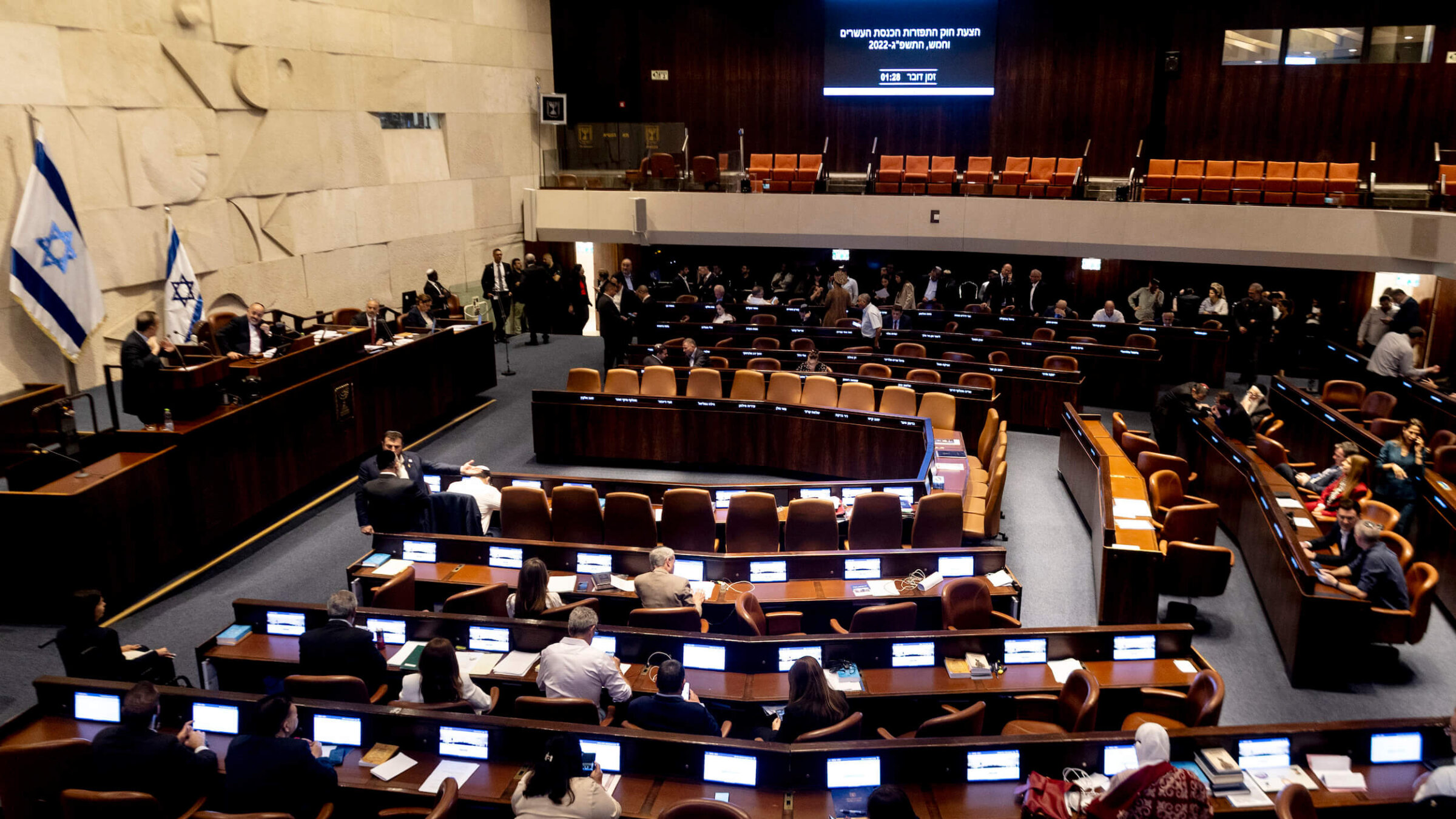
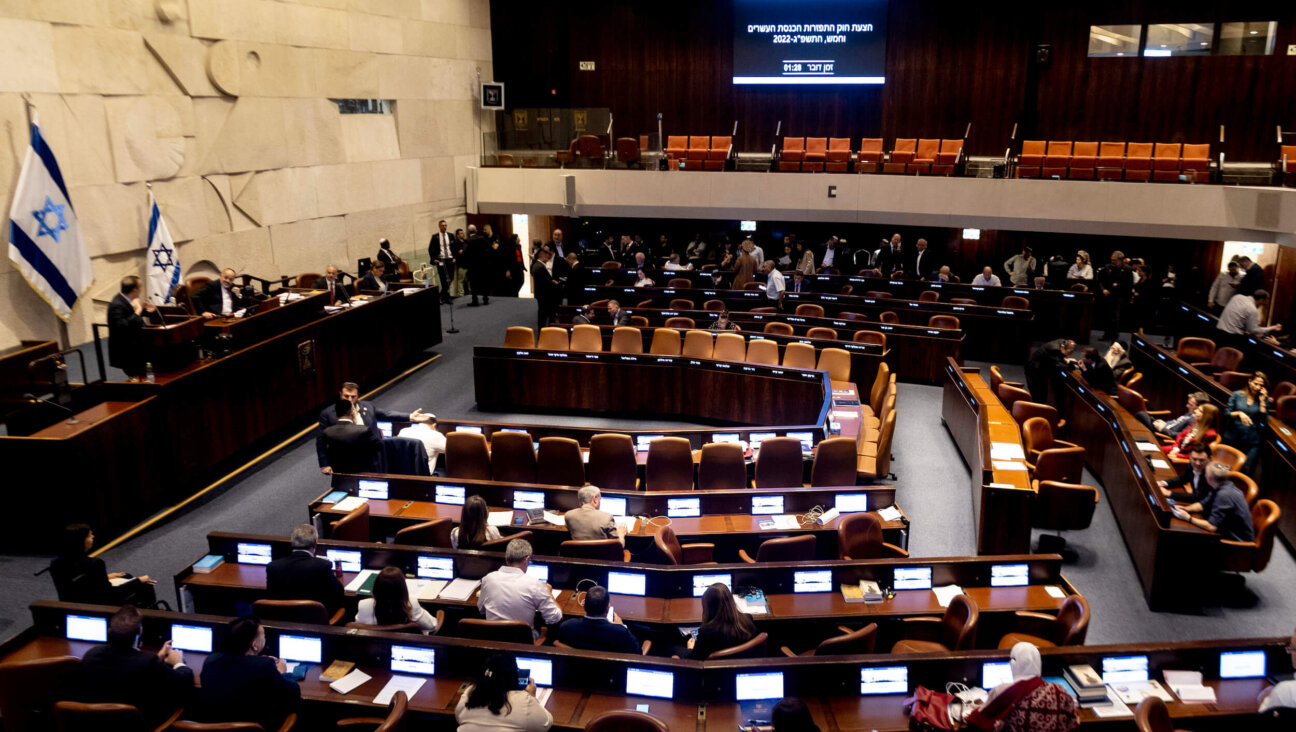
The inside of the Knesset. Photo by Amir Levy/Getty Images

Columnist Dan Perry June 5, 2026
A small episode this week crystallized the broader pathology of Israeli Prime Minister Benjamin Netayahu more clearly than any grand speech or ideological argument ever could: the Knesset vote for state comptroller, one of the most sensitive institutional positions in Israeli public life.
In Israel, the 120 members of the Knesset elect the comptroller by secret ballot. The office audits government ministries, investigates failures of governance, oversees public integrity, and possesses enormous influence over public accountability. In the aftermath of the Hamas attack of Oct. 7, 2023, and the Gaza war, the role carries even greater significance. The comptroller may shape future investigations into catastrophic national failures and wartime decision-making.
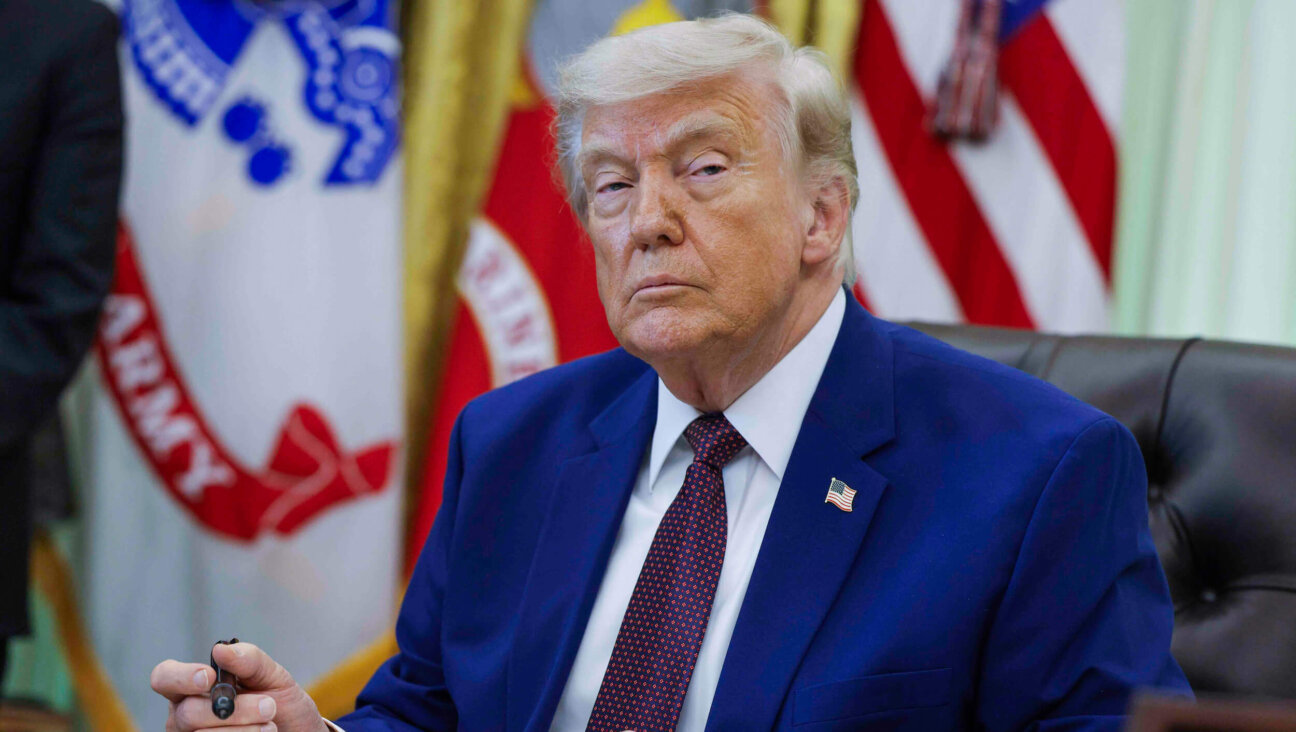
This week — in a move straight out of United States President Donald Trump’s playbook — Netanyahu nominated his longtime personal lawyer, Michael Rabello, for the role.
Historically, the comptroller’s office has been occupied by senior judges, jurists, or respected public servants with reputations for independence. Figures such as Miriam Ben-Porat, Eliezer Goldberg, and Micha Lindenstrauss embodied a certain ethos: they were stern institutional guardians standing somewhat above partisan warfare.
The idea of placing the prime minister’s own attorney into the country’s central oversight institution struck many Israelis as grotesquely inappropriate.
Yet the truly astonishing part came during the voting itself, in which the opposition candidate was a former justice on the Supreme Court — an institution Netanyahu’s coalition has long vilified. The first round reportedly revealed substantial defections among Netanyahu’s coalition. His preferred candidate fell short. Panic spread.
Suddenly, allegations and reports emerged that coalition lawmakers were being encouraged to photograph or film their ballots in order to prove their loyalty. There was a pause in the proceedings as the Knesset speaker, Likud’s Amir Ohana, received legal advice to not allow phones in the voting area. He restarted the vote anyway. Israeli media filled with coalition lawmakers posting images of themselves voting the right way. The images and reports were the excruciating stuff of banana republics.
I cannot recall ever seeing a similar scene in a functioning democracy. Rabello was elected.
Secret ballots exist precisely because democracies understand that free voting collapses when superiors can verify obedience. The entire purpose of ballot secrecy is to protect individuals from coercion, intimidation, retaliation and patronage systems.
Modern democracies adopted secret ballots in the nineteenth century to break the power of bosses, landlords, oligarchs, and political machines that demanded proof of loyalty.
The blatant violation of these norms by Netanyahu’s coalition helps explain why so many Israelis react to him not merely with opposition, but with exhaustion, fury, and moral revulsion.
It’s not just the corruption trials, the permanent manipulation, the serial falsehoods, the failed strategic assumptions about Hamas, the relentless cultivation of tribal resentment, the attacks on state institutions, the politics of personal loyalty and the transformation of every disagreement into an existential struggle between patriots and traitors. It’s the cumulative exhaustion of watching every institutional norm eventually be subordinated to the most vulgar politics imaginable.
The episode revealed something larger than one parliamentary scandal: the culture Netanyahu has spent years cultivating. It is a system organized increasingly around personal allegiance rather than institutional responsibility. A political environment in which independent judgment becomes suspicious, dissent becomes betrayal, and every institution gradually bends toward one man’s political ambition.
So we have here a prime minister under criminal indictment pushing his own lawyer into a top civil service oversight role.
Opposition leaders Naftali Bennett and Yair Lapid plan to appeal Rabello’s election to the Supreme Court, calling the vote “tainted.” Even that might not work. Several government ministers, including the justice minister, have suggested in recent months that they no longer consider court decisions binding.
And that is what outsiders often miss about Netanyahu fatigue in Israel. The anger does not emerge from one scandal, one trial, one war, or one speech. It comes from the constant sense of humiliation. This week, inside Knesset voting booths that were meant to be hidden from view, Israelis saw the whole story compressed into a single degrading scene.
I’m personally matching all gifts to the Forward, up to $36,000. Can I match your gift now?

Hello, fellow Forward reader! I’m Joel Brown, a Forward reader and supporter for more than 15 years, and currently the chair of the board of directors.
I’m an avid Forward reader because it ticks so many of my essential boxes: excellent journalism, Jewish focus and diverse viewpoints. In today’s political climate, what I most appreciate is the Forward’s independence — made possible by the generosity of its membership.
The Forward is committed to bringing you unbiased, nuanced Jewish news. From my position as board chair, I see an exciting future as we expand our position as the definitive independent voice of contemporary American Judaism.
— Joel Brown, Forward board chair
Support our mission to tell the Jewish story fully and fairly.