Israeli and diaspora Jews live in different realities. The Israel Day parade proved it
The march featured leaders whose domestic policies hurt everyday Israelis

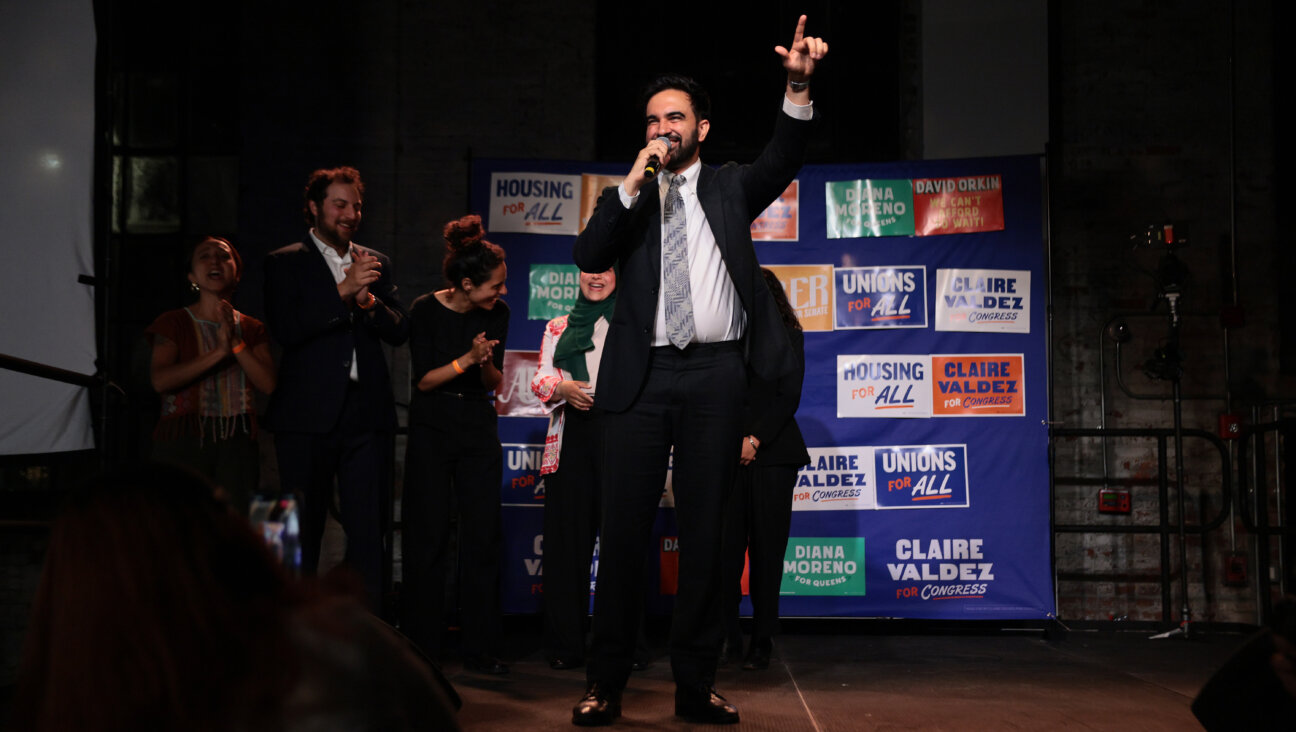
People wave Israeli and United States flags from a balcony on Manhattan’s Fifth Avenue as they watch the Israel Day Parade on May 31. Photo by kena betancur / AFP / Getty Images
Rachel Fink June 3, 2026
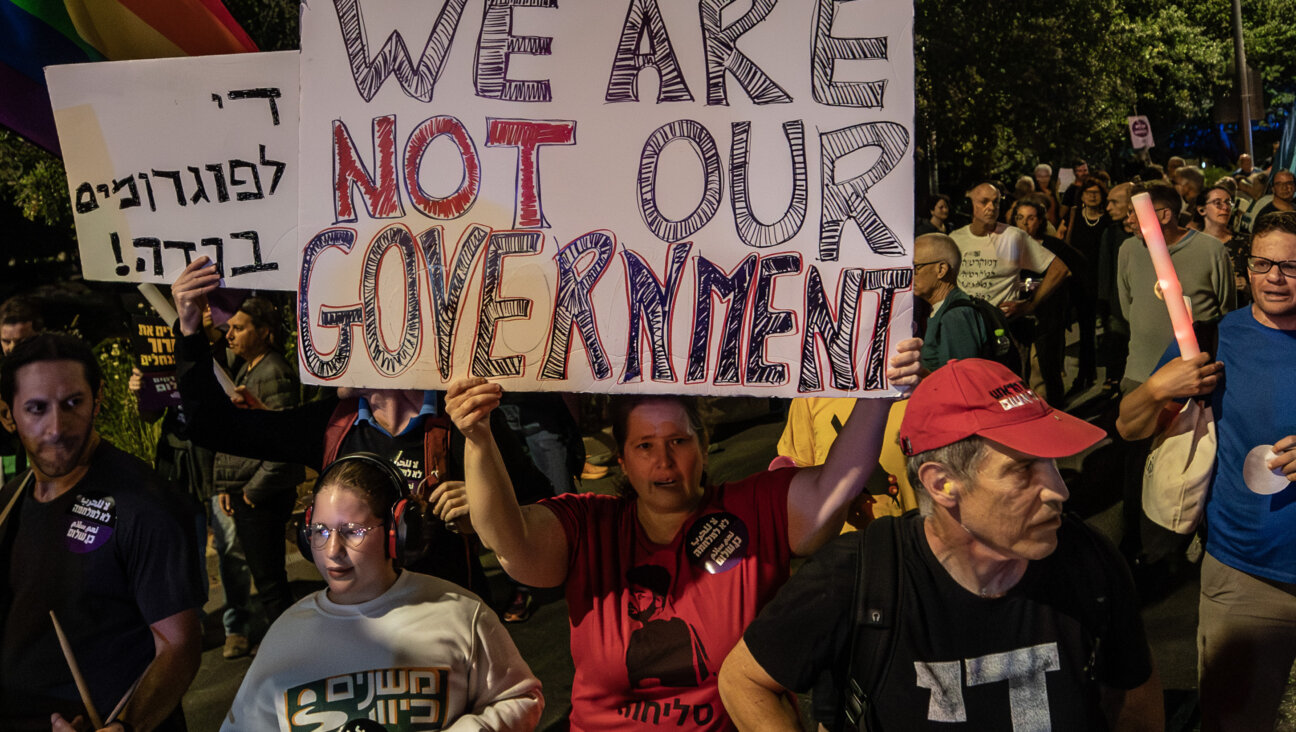
If Sunday’s Israel Day Parade in New York City had been held in Israel, with similar Israeli leaders in attendance, there is no way that so many people would have shown up — unless it was to protest.
The fact that tens of thousands of American Jews seemed to have no problem marching alongside far-right Israeli ministers — including Bezalel Smotrich and Amichai Eliyahu — is a clear indication of the ever-widening gap between Israelis and diaspora Jews, whose support for Israel is, for the most part, conceptual. And that gap isn’t exclusively, or even primarily, about the Israeli-Palestinian conflict.
Yes, there are many Israelis who oppose the messianic, anti-Palestinian rhetoric and policies pushed by Smotrich, Eliyahu and the rest of Prime Minister Benjamin Netanyahu’s far-right cabinet — although not nearly enough, if you ask me. But the broad disdain for this government has more to do with domestic issues.
Israelis are furious over the ongoing Haredi draft exception; the government’s effective abandonment of citizens on the northern border; its refusal to take any accountability for the failures surrounding the Oct. 7 attack; a collapsing education system; a narrowing of religious freedoms; soaring murder rates in Arab communities; an epidemic of violence among Israeli teenagers; and police ineptitude and brutality.
From Israel, it seems clear that diaspora Jews have been unwilling to confront just how much damage Smotrich and his fellow coalition partners have done inside Israel.
Which is perhaps why Israel Day in New York City felt so disconnected from Israeli life.
The discourse around Israel’s delegation to the parade, at least on my algorithm, seemed to involve two contrasting beliefs: Either the ministers’ presence invalidated the legitimacy of the entire event and no one should have participated, or the parade was not a show of support for the Israeli government but a celebration of culture and heritage — and therefore these politicians should not be allowed to define it.
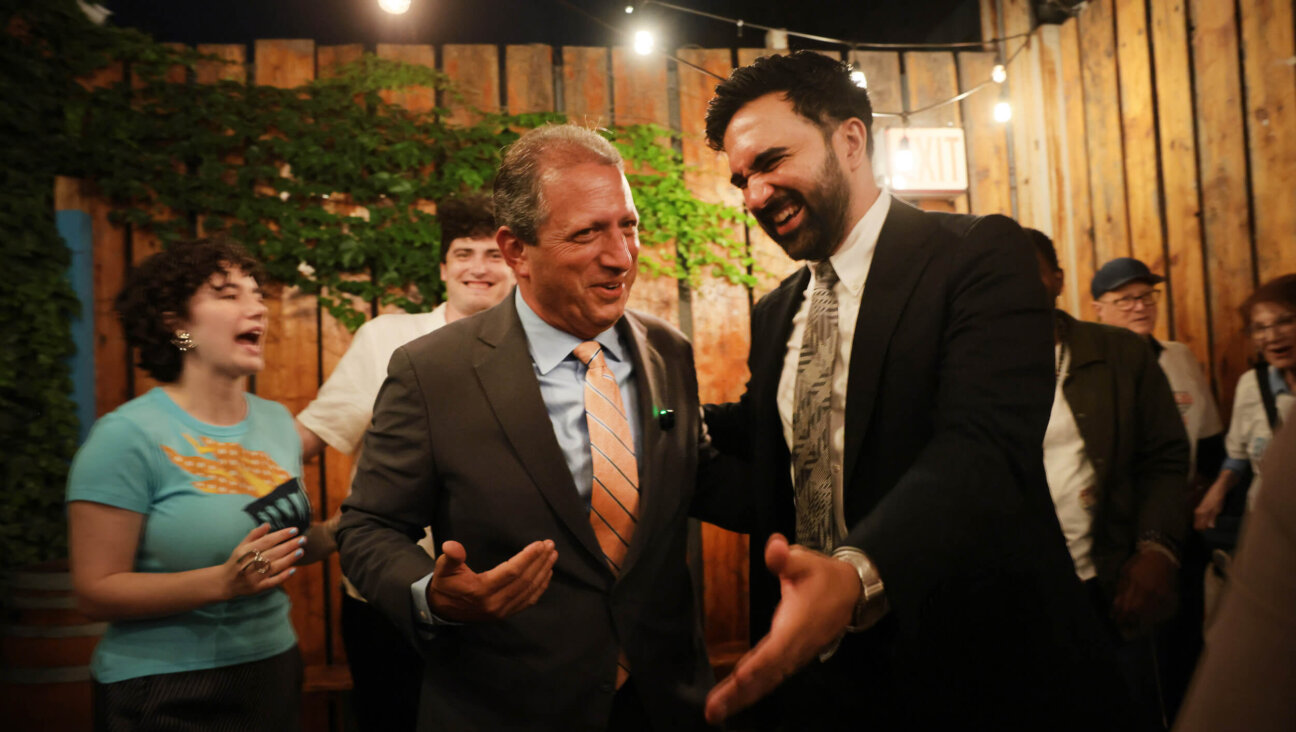
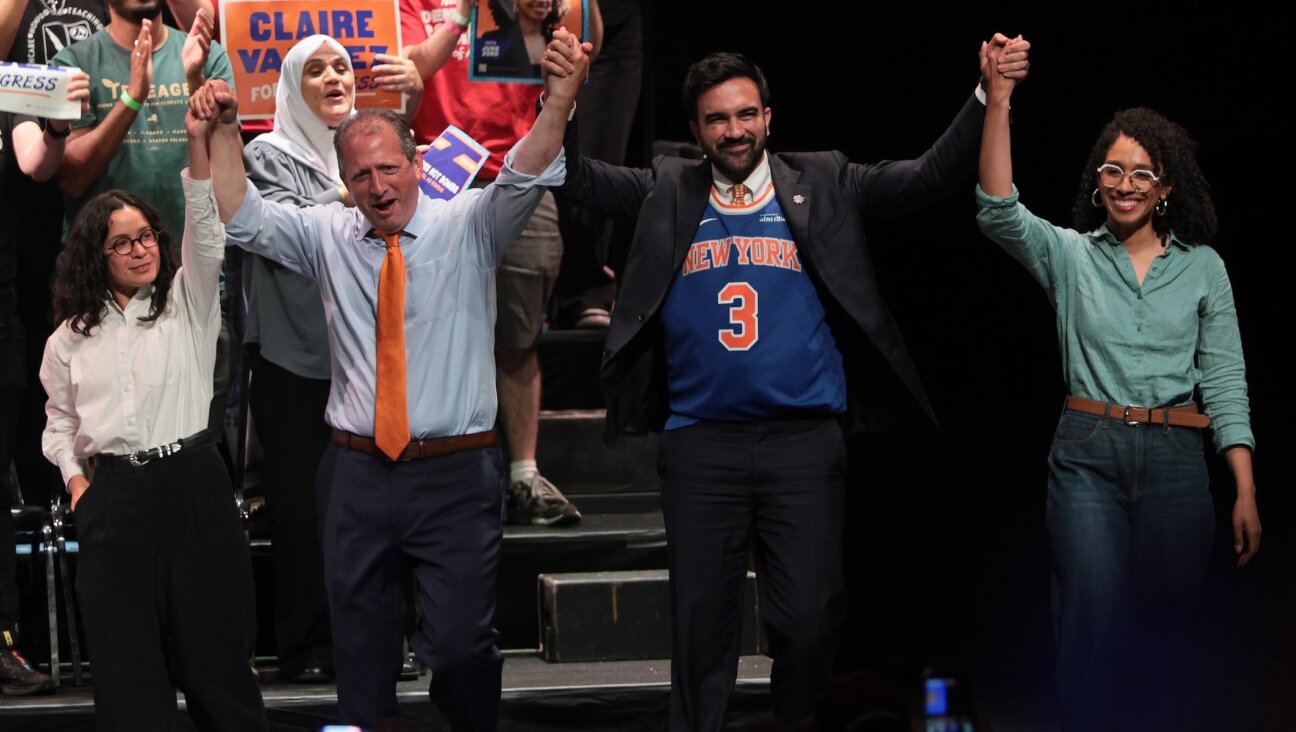
That debate largely took place around Mayor Zohran Mamdani’s decision not to attend the parade. To some pro-Israel Jews, his choice read as a rebuttal of Israel’s right to exist. In response, they spoke in the sweeping language of Jewish self-determination. This is nothing new: pro-Israel diaspora Jews often find themselves defending Israel against those who call for its destruction.
And yet, when it comes to the people who are actually destroying it, many are remarkably silent.
The full list of problematic statements and behaviors from members of Israel’s political delegation is too long to detail in full. Among the most shocking items: Eliyahu, a member of Itamar Ben-Gvir’s far-right Jewish Power party, has publicly called for the ethnic cleansing of Gaza and suggested that dropping a nuclear bomb on the strip was a possibility. His fellow party member, Negev and Galilee Development Minister Yitzhak Wasserlauf, who also attended the parade, has led several provocations at the Al-Aqsa Mosque compound, in violation of Israel’s own clear norms regarding the holy Muslim site.
And Smotrich — whose attendance organizers said they had not been told about in advance — has doggedly worked to enable the de facto annexation of the West Bank.
Obviously, diaspora Jews have a different relationship with Israel than those of us who live here. We exist in completely different contexts, with different needs, fears and responsibilities. I do not believe our concerns need to be exactly identical. I am not telling anyone it was wrong to go to the parade.
But the question is what happens after.
How will the thousands who poured out to celebrate Israel in Manhattan on Sunday use their voices and energy to fight not just for Israel’s right to exist, but also for it to have a better future? After mainstream Jewish institutions have taken apart their floats, what resources will they allocate to protecting Israeli democracy, supporting the communities this government has abandoned and opposing the extremists dismantling the country from within?
After the parade, I kept seeing a brief clip of Democratic Sen. Chuck Schumer speaking from the dais. He ended his speech with the popular refrain “Am Yisrael Chai,” which he then translated into English.
Except he stumbled a bit over the words. Instead of saying, “The people of Israel live,” it came out as “the People Israel live.”
His flub inadvertently captured a deep truth. Israel, as a peoplehood, as an idea, is alive and kicking. Despite what some online ideologues want you to believe, our ancestral homeland is not going anywhere.
Nor do we need to fight quite as hard as we seem to think for the right to self-determination, seeing as we already have it and are not in any real danger of losing it.
But the people of Israel — the ones who actually live inside the country — are suffering. We are at the mercy of the most extreme government this country has ever seen.
We want to raise our children in security: real, long-lasting, diplomatically achieved security. We want to send them to decent schools in the morning and get them back in one piece at the end of the day. We want to live in a democracy, with a free press and an independent judiciary, where our daughters can read from the Torah if they want to and our sons can marry men if they want to.
The people of Israel do not need you to stand with Israel in a show of blanket solidarity.
We would much rather you stand with us, in active opposition to our government.
Did you know that only 2% of Forward readers donate to support our nonprofit newsroom? That 2% make it possible for millions to read the Forward without a paywall or subscription — removing any barriers to the full and fair Jewish story.
But while the Forward is free to read, it isn’t free to produce. Big stories — like deep dives into the antisemitism data, political scoops or reporting trips to college campuses — take months of research and fact-checking. All while we keep you informed of what you need to know each day.
— Rachel Fishman Feddersen, Forward Publisher & CEO
Support our mission to tell the Jewish story fully and fairly.