Who is Gadi Eisenkot, the Israeli politician who could dethrone Netanyahu?
The former IDF chief of staff whose son was killed in the Gaza war is rapidly climbing in polls and betting markets, emerging as a leading contender to become Israel’s next prime minister.
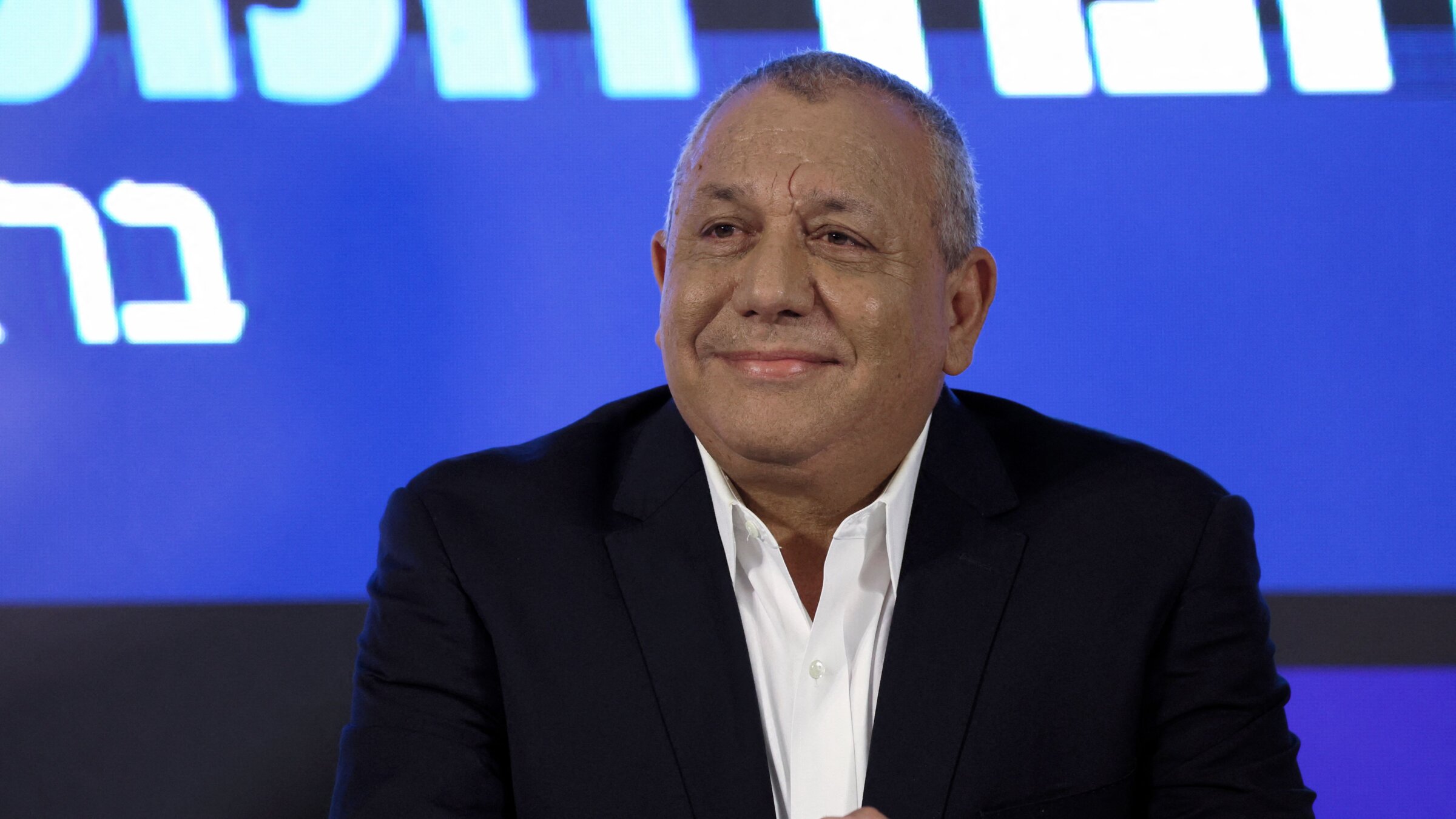
Israel’s former army chief of staff Gadi Eisenkot (L) takes part in a joint press conference with Defence Minister and Kahol Lavan (Blue and White) party chief Benny Gantz. Photo by Jack Guez/AFP via Getty Images)

By Simone Saidmehr June 19, 2026
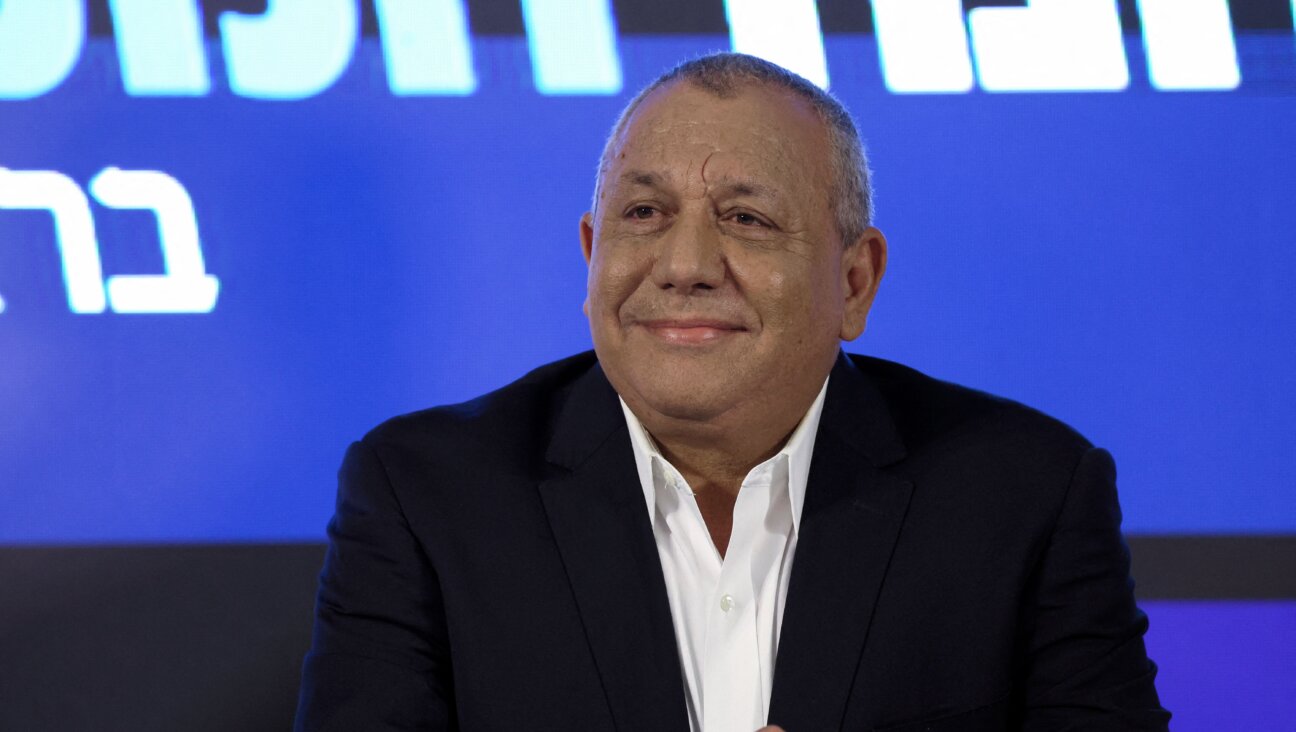
Until recently, former Prime Minister Naftali Bennett appeared to be the opposition figure best positioned to challenge Benjamin Netanyahu in Israel’s election this fall. But a new contender has emerged: Gadi Eisenkot, a former Israel Defense Forces chief of staff, whose newly formed Yashar! (“Straight!”) party is rapidly gaining popularity.
According to Israel’s public broadcaster KAN, Eisenkot’s party currently projects to win 21 Knesset seats, trailing Netanyahu’s Likud at 23. Bennett and Yair Lapid’s joint slate, Together, the duo that managed to win the 2021 elections, is polling at 17 seats. Several other major Israeli polls reflect a similar or even stronger position for Eisenkot. As of this writing, Eisenkot and Netanyahu are neck and neck on Polymarket as the most likely politician to become the next prime minister.
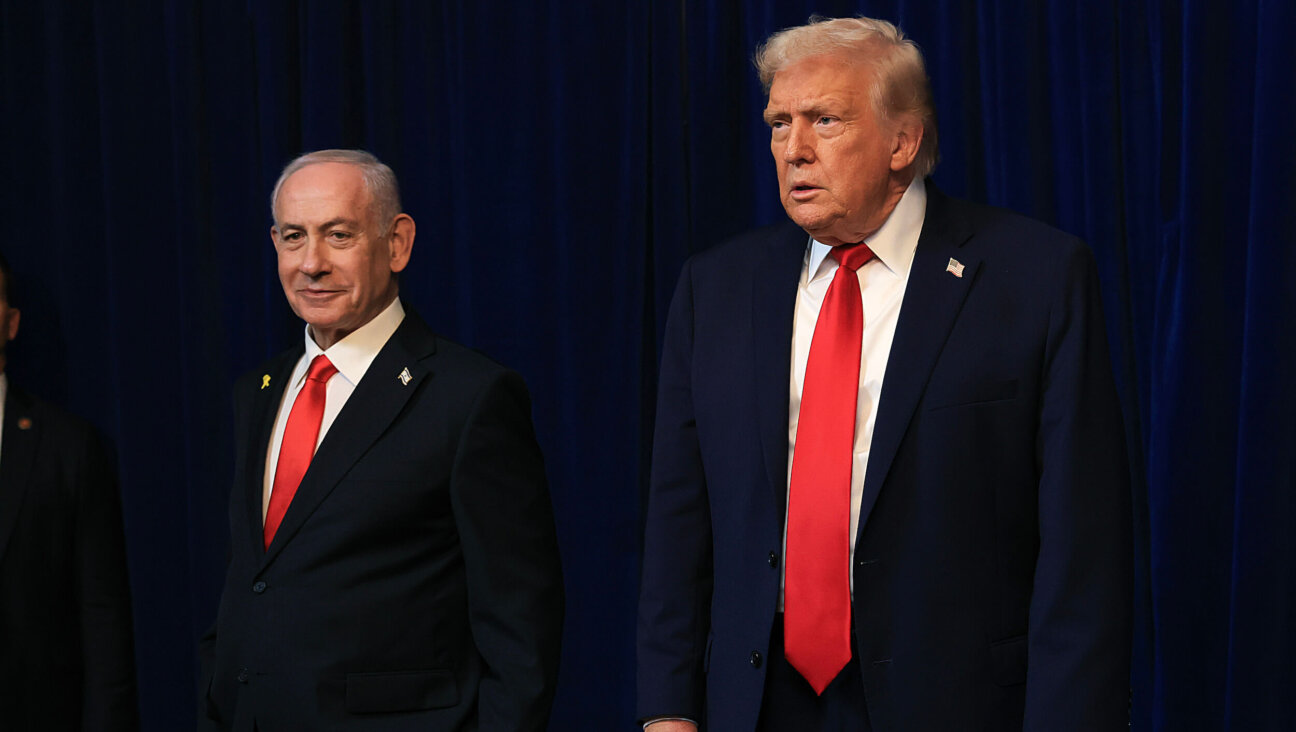
Amid Trump’s Iran deal, which left Netanyahu in the lurch and has been widely unpopular among Israelis, Netanyahu’s appeal as a prime minister who can ensure Israel’s security is beginning to slip. Only 11% of Israelis feel Israel won the war, and 52% feel Netanyahu’s conduct harmed Israel’s interests in the U.S.-Iran deal. A recent Channel 12 survey found that 58% of Israelis believe the country’s next prime minister should not be Netanyahu.
After Bennett and Lapid joined forces to run together this April, their popularity has been steadily decreasing. Since they announced their joint run, Eisenkot has been gaining roughly one seat per week in Israeli polling.
This reflects an important theme in Israeli politics: combining politicians does not necessarily combine their voters. Bennett, a right-wing Orthodox nationalist who has long opposed a Palestinian state, appeals to a different constituency than Lapid, a secular centrist who has expressed support for a two-state solution.
Some right-wing voters who have supported Bennett now may view him as too left-leaning for their tastes because of his alliance with Lapid. For Bennett, who was seen as someone who could take right-wing voters from Netanyahu, this is a real problem.
Enter Eisenkot: a security-focused centrist with an untraditional background. He grew up in Eilat as the son of Moroccan immigrants. If elected, he would be the first ever Mizrahi Prime Minister in Israeli history.
He did not serve in Sayeret Matkal, the elite special reconnaissance unit in the IDF that cultivated many future Israeli politicians, including Bennett and Netanyahu. Rather, he got his start in Golani, the IDF’s oldest unit. He slowly climbed through the ranks, spending his career within the security establishment before eventually becoming the chief of staff of the IDF in 2015.
His political career is relatively new. Eisenkot entered politics in 2022 as part of Benny Gantz’s National Unity party before breaking away to launch Yashar! in 2025. His time in politics, though short, has been free of scandal or feuds — beyond, of course, his frequent disagreements with Netanyahu.
Service for all
For many Israelis, Eisenkot’s public image is inseparable from personal loss. His son, Gal, was killed fighting in Gaza in 2023, and two of his nephews also died during the war. Their deaths have given Eisenkot a unique standing in a country where military service has profoundly affected many Israeli families in the last few years, especially following the Oct. 7 attacks.
This experience also resonates amid one of the most contentious debates in Israeli politics: whether ultra-Orthodox yeshiva students should continue receiving exemptions from military service. As reservists have been called up repeatedly since Oct. 7 and the IDF has faced manpower shortages, many Israelis have argued that the burden of military service is being shared unequally. Roughly 80,000 men aged 18 to 24 who are currently exempt are eligible to serve in the IDF.
According to the Israel Democracy Institute, only 9% of the Israeli public supports exempting the ultra-Orthodox from mandatory military service. Netanyahu’s coalition, which depends on ultra-Orthodox parties, has sought to preserve some form of exemption system.
Eisenkot not only faced profound personal sacrifice for his family’s military service, but he also runs on the platform “service for all,” which hopes to reform broad military exemptions for the ultra-Orthodox.
In May 2025, he shared his thoughts for the first time on a two-state solution, telling Channel 12, “I always speak in favor of a Jewish, democratic, strong, and powerful state, and from that, we should derive our decisions. I think a Palestinian state is not relevant after October 7.” He added, “We need to be very measured, build it from the bottom up, and certainly not talk about a state and a prize after this murderous event,” he said, referring to the Oct. 7 attacks. “Instead, we should make our considerations from a position of strength, take our time, and not decide from one moment to the next, certainly not talk about it now.”
One of the most visible criticisms of Eisenkot has been his lack of command of the English language. Eisenkot speaks English, though certainly not to the level of fluent proficiency of MIT-educated Benjamin Netanyahu or Naftali Bennett. Last week, a top Netanyahu aide, Jonatan Urich, posted a viral video on X splicing clips of Einsenkot speaking heavily accented English with Nethayahu’s major speeches at the UN and Congress.
Eisenkot responded to the video on a popular Israeli podcast, stating, “Where was Netanyahu’s excellent English on October 7?” he asked. “Where is his excellent English in strengthening the relationship between Israel and the United States, which this morning is at rock bottom?”
While Eisenkot’s party continues to soar in the polls, he has a long way to go before he will be able to dethrone Netanyahu, who has won six Israeli elections since 1996.
Israel’s next prime minister will not simply be the person who secures the most votes for their party. To govern, a coalition must command at least 61 of the Knesset’s 120 seats. To do this, political parties – though often ideologically different – must come together in the hopes of securing a majority number of seats in the Knesset.
Eisenkot’s principal rival for leadership of the anti-Netanyahu camp is Bennett. Still, both Bennett and Eisenkot have emphasized that their primary goal is to take down Netanyahu. When asked whether he would step aside for Eisenkot if that were necessary to form a government, Bennett replied: “I will do anything in the world to replace this very bad government. I will not let ego be a factor.”

Did you know that only 2% of Forward readers donate to support our nonprofit newsroom? That 2% make it possible for millions to read the Forward without a paywall or subscription — removing any barriers to the full and fair Jewish story.
But while the Forward is free to read, it isn’t free to produce. Big stories — like deep dives into the antisemitism data, political scoops or reporting trips to college campuses — take months of research and fact-checking. All while we keep you informed of what you need to know each day.
— Rachel Fishman Feddersen, Forward Publisher & CEO
Support our mission to tell the Jewish story fully and fairly.