Trump’s humiliation of Netanyahu marks a sea change in the US-Israel relationship
Israel looks less like an independent power and more like a client state
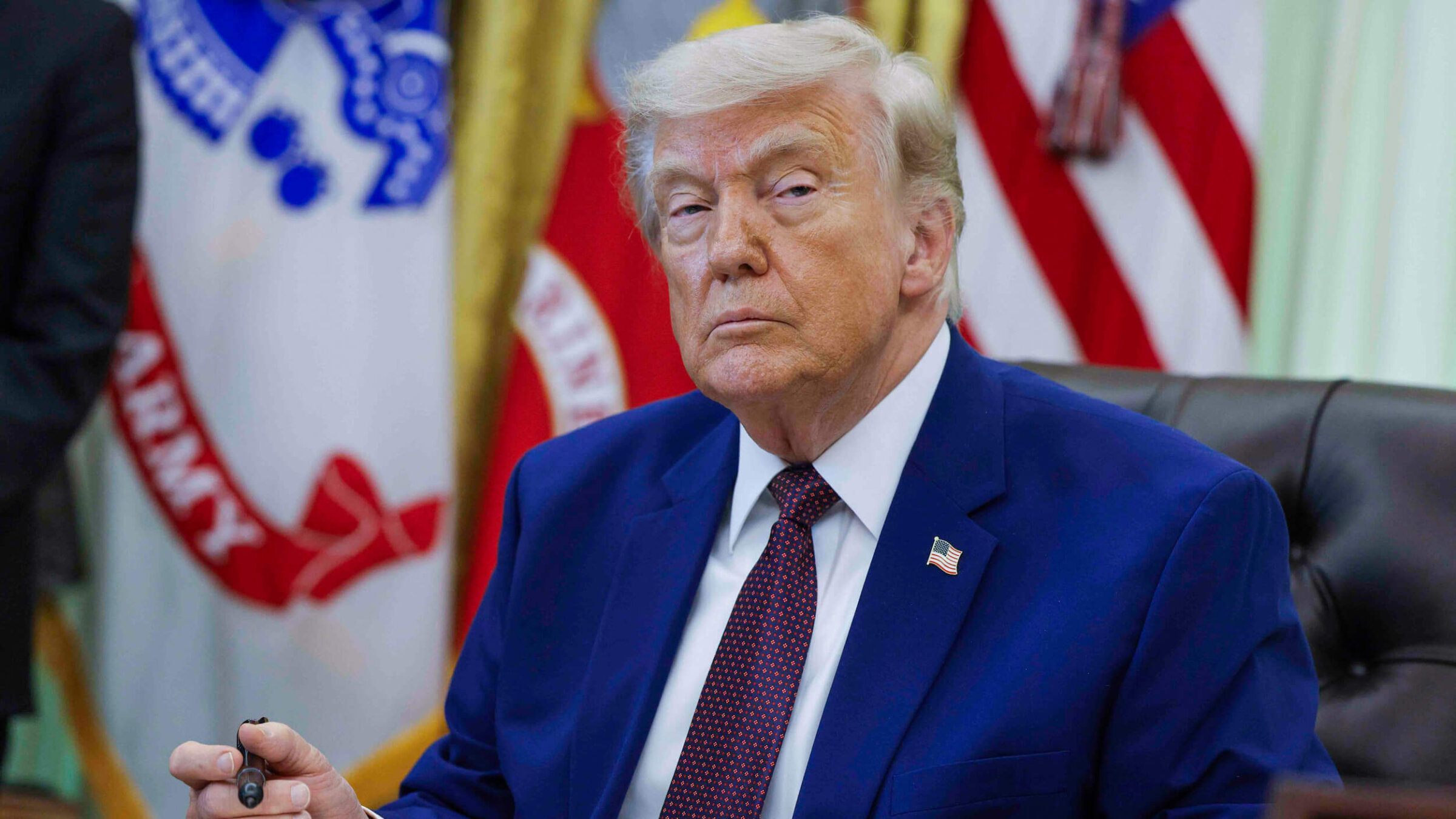
President Donald Trump in the White House on Wednesday, June 3. Photo by Shawn Thew/EPA/Bloomberg/Getty Images

Columnist Dan Perry June 4, 2026
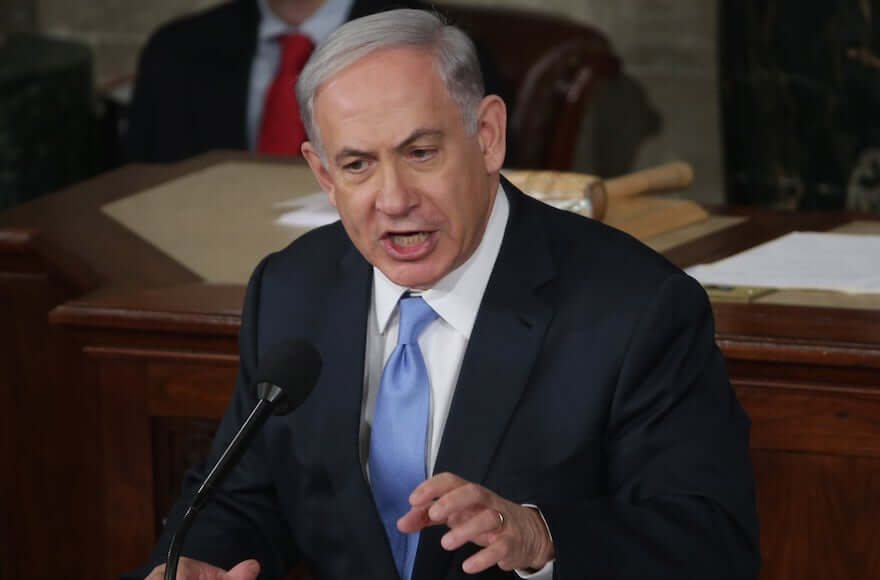
Israeli Prime Minister Benjamin Netanyahu’s carefully cultivated image as a master of geopolitics is on life support after reports that President Donald Trump on Monday cursed and mocked him in a phone call, calling him “f- – – ing crazy” and ordering him to stand down in Lebanon.
In response, Netanyahu’s opponents and even some of his former allies are accusing him of mortgaging Israel’s sovereignty and reducing the country to strategic dependence on Washington. They’re right. Trump is treating Netanyahu less like the leader of a sovereign ally and more like a subordinate expected to obey instructions.
As a result, Israel suddenly looks less like an independent regional power and more like an American client state.
A rupture long in the making
The roots of this humiliation stretch back months, to the beginning of the Iran war itself. In early March, Secretary of State Marco Rubio suggested that the United States entered the war because Israel was preparing to strike Iran and the White House feared that Tehran would retaliate against American forces afterward.
Ever since, American officials, including Trump himself, have disseminated the narrative of the war as a preventive intervention designed partly to manage the consequences of expected Israeli escalation. But as the war has dragged on, becoming exactly the kind of open-ended Middle Eastern entanglement Trump once promised to avoid, the public narrative has instead increasingly become that Netanyahu had talked Trump into a war that backfired, making Trump look foolish.
This week came the payback.
On Monday, Netanyahu publicly threatened major strikes on the Shiite neighborhoods of Beirut if Hezbollah attacks continued. Iran responded by suspending ceasefire talks, apparently gambling that Trump wanted an exit ramp badly enough to restrain Israel rather than risk a wider regional explosion. The gamble worked.
In the Monday call, Trump reportedly ordered Israel to cease fire immediately, demanding to know “what the f – – -” Netanyahu was doing, accusing Israel of causing escalation, and declaring — incorrectly — that he had “kept Netanyahu out of jail,” a reference to his efforts to persuade President Isaac Herzog to pardon Netanyahu in his ongoing corruption trial.
Intentional humiliation
American presidents have pressured Israeli leaders before. Prime Minister David Ben-Gurion withdrew from the Sinai peninsula in 1957 under heavy pressure from then-President Dwight Eisenhower after the Suez Crisis. Washington pressured Israel to stop military operations during the 1973 Yom Kippur War and again during the 1982 Lebanon War.
Yet previous confrontations unfolded differently. American presidents pressured Israeli leaders privately while preserving the appearance of mutual respect between allies. Even when Washington prevailed, both governments generally tried to avoid publicly humiliating each other.
This time the humiliation was part of the strategy — a change that bodes ill for Israel’s standing as an independent regional power.
Trump wants Tehran, Beirut, Riyadh, Doha, Cairo, and every other Middle Eastern capital to understand that he controls the pace of escalation, and that Netanyahu obeyed when ordered to stand down.
That public spectacle explains the intensity of the Israeli backlash.
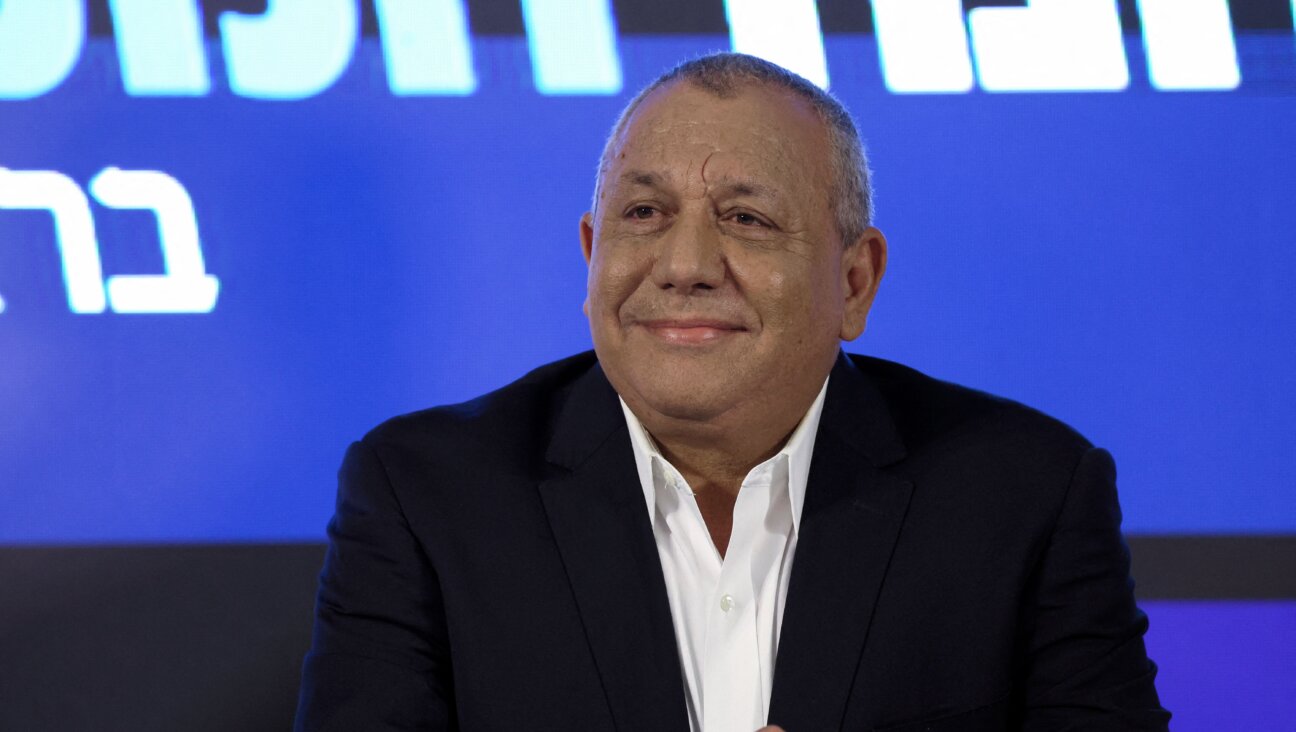
“There has never been an Israeli prime minister who accepted such a humiliating demand,” former military chief and current prime ministerial candidate Gadi Eisenkot wrote on social media. Former prime ministers Naftali Bennett and Yair Lapid, whose coalition poses a major threat to Netanyahu’s control in upcoming elections, effectively slammed Netanyahu as allowing the U.S. to dictate Israeli military policy, with Bennett accusing Netanyahu of running “a government that has lost control of Israeli sovereignty.”
Even the conservative Jerusalem Post sounded the alarm. Israel had “found itself in the humiliating position of having to seek American approval to defend its own citizens,” the paper argued in an editorial. “The United States is now actively restraining Israel from taking decisive military action.”
Netanyahu’s image in tatters
For years, Netanyahu cultivated an image of himself as uniquely capable of managing Israel’s relationship with the U.S. while preserving Israeli strategic independence. His supporters portrayed him as a geopolitical virtuoso who understood American politics better than any rival and who could navigate complex power dynamics while defending Israeli interests.
Now that image lies in ruins.
Over the last decade, Netanyahu systematically alienated nearly every pillar of Israel’s traditional support structure aside from the American right.
He offended European governments through relentless settlement expansion, confrontations with the European Union, and contempt in response to liberal Western criticism. Europe remains Israel’s largest trading partner, yet Israel now faces the growing possibility of sanctions, diplomatic isolation, and even challenges to its associated nation status with the European Union.
Then came the rupture with the American Democrats.
In 2015, Netanyahu traveled to Washington to campaign openly against then-President Barack Obama’s nuclear agreement with Iran before a joint session of Congress. Strategically, that marked a turning point. Netanyahu transformed support for Israel from a matter of bipartisan American consensus into an increasingly polarized issue.
Afterward, he tied himself even more tightly to the Republican right, and especially Trump. He cultivated the impression that he exercised unusual influence over Trump himself, encouraging supporters to believe that he had effectively turned the White House into an extension of his own political operation.
That illusion has now collapsed spectacularly.
The final and perhaps most reckless step came when reports emerged that Netanyahu sought Trump’s intervention regarding his corruption trial. Even without confirming those reports’ accuracy, the perception that an Israeli prime minister already dependent on Washington for military and diplomatic backing was now personally dependent on an American president for political survival was devastating.
This week confirmed that dependence now defines the U.S.-Israel relationship. Netanyahu, the supposed master statesman, has maneuvered himself — and Israel — into a strategic cul-de-sac. Now the question is: Is there any way out?

Did you know that only 2% of Forward readers donate to support our nonprofit newsroom? That 2% make it possible for millions to read the Forward without a paywall or subscription — removing any barriers to the full and fair Jewish story.
But while the Forward is free to read, it isn’t free to produce. Big stories — like deep dives into the antisemitism data, political scoops or reporting trips to college campuses — take months of research and fact-checking. All while we keep you informed of what you need to know each day.
— Rachel Fishman Feddersen, Forward Publisher & CEO
Support our mission to tell the Jewish story fully and fairly.