Trump may be making a classic error in seeking peace with Iran
Assuming the Iranian regime will comply with a peace deal has historically been a mistake
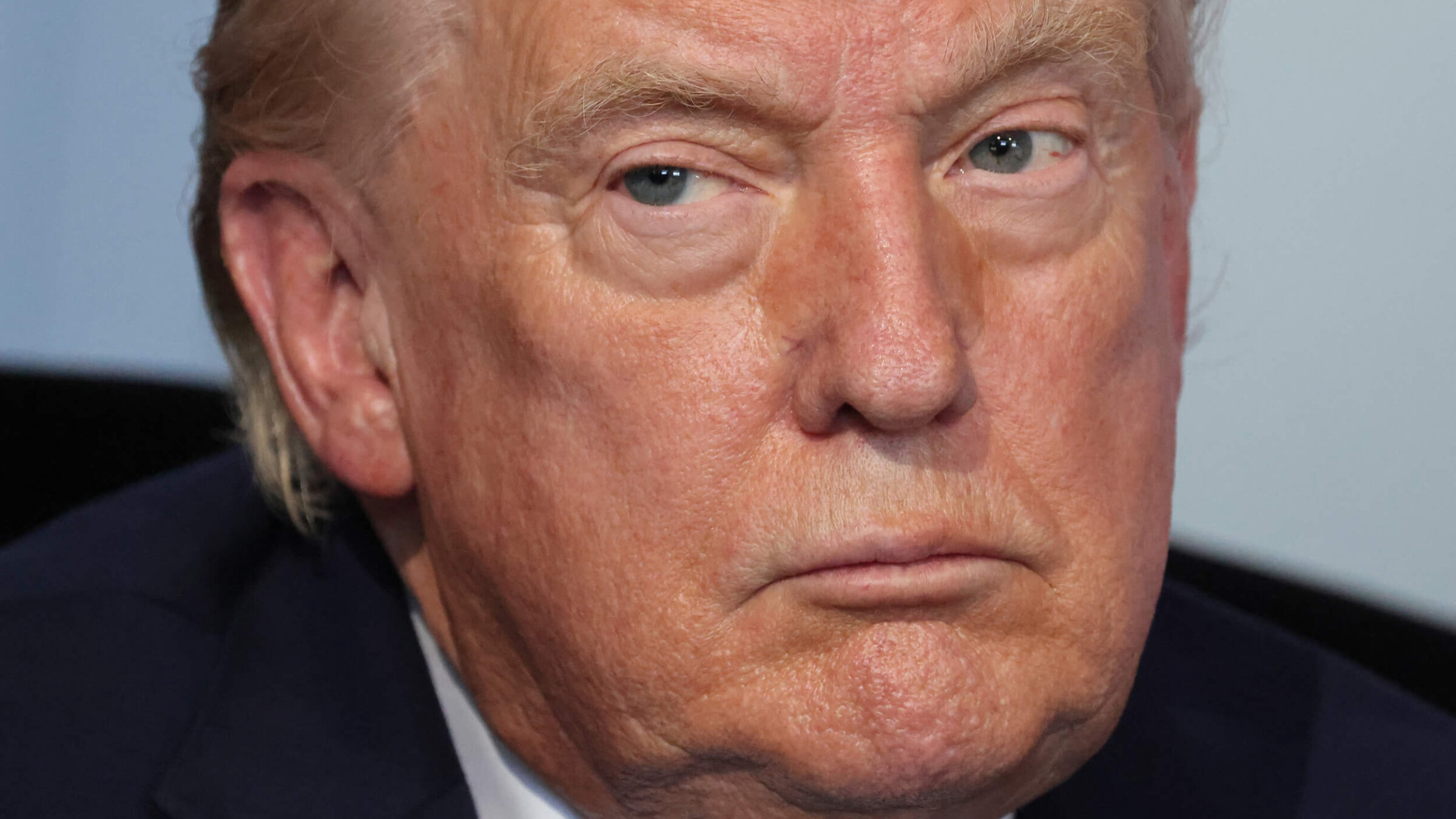
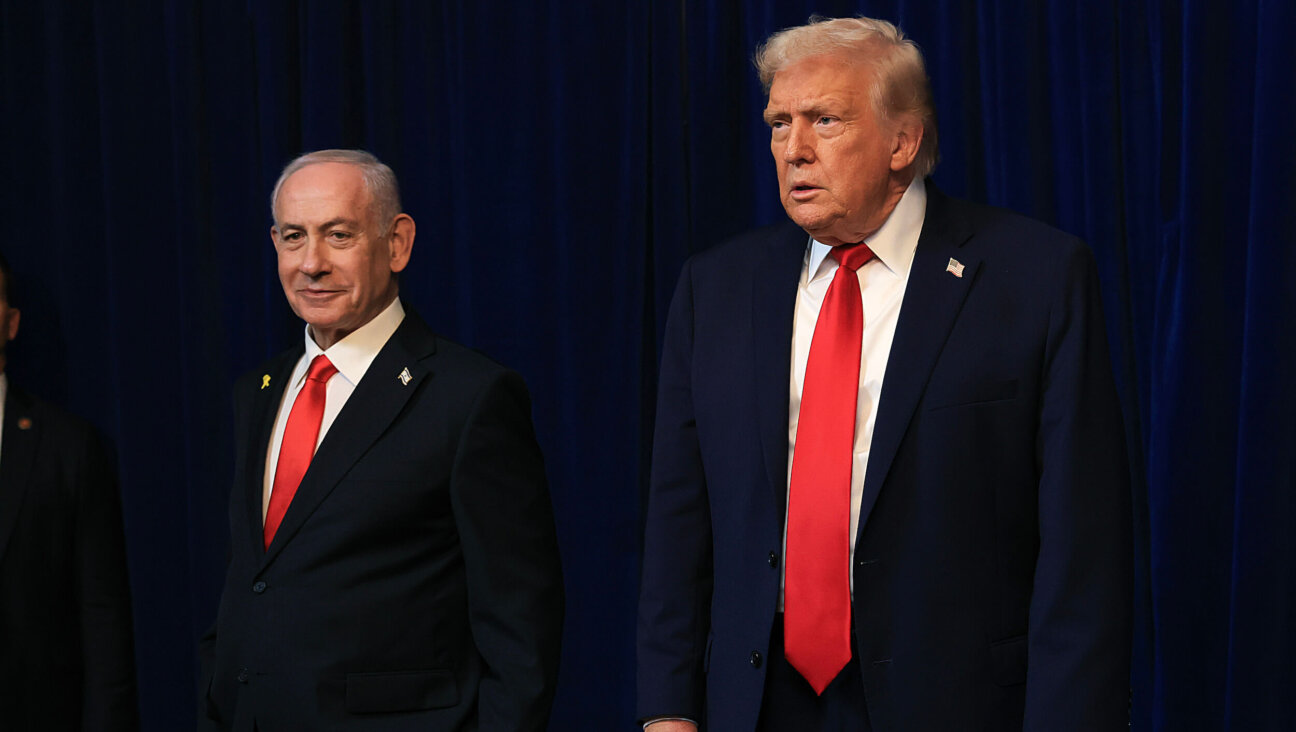
President Donald Trump on June 15. Photo by Ludovic Marin / POOL / AFP / Getty Images
An assumption has shaped Western thinking about Iran for decades: that the Islamic Republic has similar goals to those of the West, and can therefore be incentivized to integrate into a more stable regional order.
Vice President JD Vance gave that assumption its latest expression when he said a potential new peace agreement between Iran and the United States could “fundamentally transform the Middle East for the next 50 years” — if Iran complies with the deal.
Perhaps he’s right, and Iran is in fact committed, this time, to never again pursuing the creation of nuclear weapons. But the Islamic Republic’s own rhetoric provides serious reasons for skepticism on that front.
Since 1979, the regime has presented itself as the standard-bearer of a revolutionary project. It is not merely a government. It is the self-appointed guardian of a worldview.
That worldview is often expressed through the concept of muqawama, which translates roughly to “resistance.” The term refers to far more than military opposition. It describes a political, religious and civilizational struggle against what the regime views as Western domination, American influence, Israeli sovereignty, and the regional order that emerged during the 20th century.
Ideologies shape behavior. A regime organized around economic growth behaves one way. A regime organized around the concept of revolutionary struggle behaves differently.
Western powers too often forget this truth when it comes to Iran, assuming that its leaders seek prosperity, stability, security and international acceptance. We assume that economic incentives and diplomatic agreements will eventually outweigh ideological commitments.
It is important to distinguish here between the regime and the people it governs. Iran is home to an ancient civilization, a sophisticated culture, and millions of citizens whose aspirations often appear very different from those of their rulers. For nearly half a century, many Iranians have lived under a system they neither created nor freely chose. Waves of protests and dissent have repeatedly suggested that large numbers of Iranians seek a different future — one characterized less by revolutionary struggle and more by ordinary human aspirations like freedom, dignity and connection to the wider world.
Viewed through the lens of muqawama, Iran’s nuclear program, ballistic missile program, proxy armies and regional interventions cease to look like products of separate policies. They become parts of a coherent strategy, manifestations of the same underlying vision: the transformation of the existing regional order.
The obvious question, then, is whether that vision has changed. And if it hasn’t, what does Iranian compliance with this new deal actually mean?
After all, one can honor the terms of an agreement while remaining fully committed to objectives that lie beyond the agreement’s reach. Iran has done so plenty of times in the recent past.
In 2018, Israeli intelligence agents removed a vast archive of nuclear documents from a secret warehouse near Tehran. The archive contained detailed records of weapons-related research and planning, suggesting that the regime viewed this knowledge as valuable, worth preserving and potentially applicable in the future.
Over the years, inspectors evaluating Iran’s nuclear capabilities have repeatedly encountered inconsistencies between Iran’s declarations about its efforts and the evidence before them. Each episode, by itself, may be explainable. Taken together, they paint a picture of a regime that has consistently viewed transparency as something to be managed rather than embraced.
Fordow, the infamous nuclear enrichment facility buried beneath a mountain, was designed by people expecting confrontation. Facilities intended to withstand intensive military attacks — as Fordow has — reveal something about the assumptions of those who build them.
Western policymakers often view negotiations as a path toward resolution. Iran tends, in contrast, to treat them as a strategic opportunity. Every round of talks creates opportunities to reposition and advance. Every agreement creates new debates about interpretation and enforcement that the regime can turn to its advantage.
It may be less useful to think in terms of bad faith than in terms of incentives. The issue is understanding the ambitions of the regime as it understands them. And there are reasons to doubt whether U.S. negotiators hammering out the details of this agreement understand those ambitions correctly.
This raises grave concerns for Israel, which is not a party to the new ceasefire. The nuclear issue is primary, but the ballistic missile program and satellite armies of Hamas, Hezbollah and the Houthis are all pressing problems for the Jewish state. A deal that fails to engage with all parts of that picture will leave Israel in danger.
The United States can afford strategic patience. It sits behind two oceans, far from Iran. Israel cannot. A nation smaller than New Jersey has little margin for catastrophic error. If American assumptions prove mistaken, American policy can be revised. If Israeli assumptions prove mistaken, the consequences are potentially fatal.
This is why many Israelis have expressed outrage at this ceasefire. They’re wondering: If the ideology remains intact; if the missile programs remain intact; if Hezbollah remains intact; if the regime’s revolutionary ambitions remain intact, what exactly has been resolved?
Near-term tension reduction has repeatedly served as a substitute for resolving the underlying threat from Iran’s radical regime. Sanctions relief following the 2015 nuclear deal brokered by then-President Barack Obama eased pressure on the regime while leaving its governing vision untouched. The underlying problem remained.
Muqawama is not merely resistance to particular policies. It is resistance as an organizing principle. Any agreement that ignores that reality risks confusing tactical restraint with strategic change.

Hello, fellow Forward reader! I’m Joel Brown, a Forward reader and supporter for more than 15 years, and currently the chair of the board of directors.
I’m an avid Forward reader because it ticks so many of my essential boxes: excellent journalism, Jewish focus and diverse viewpoints. In today’s political climate, what I most appreciate is the Forward’s independence — made possible by the generosity of its membership.
The Forward is committed to bringing you unbiased, nuanced Jewish news. From my position as board chair, I see an exciting future as we expand our position as the definitive independent voice of contemporary American Judaism.
That’s why I’m paying it Forward, by matching $36,000 of reader gifts. It’s an investment in the Forward’s newsroom, to continue telling the American Jewish story with truth and independence.
— Joel Brown, Forward board chair
Support our mission to tell the Jewish story fully and fairly.