Hungary Premier Vows To Protect Jews From ‘List’

Graphic by Angelie Zaslavsky
Hungarian Prime Minister Viktor Orban on Monday condemned a call by a far-right Jobbik lawmaker to draw up lists of Jews as “unworthy” of his country, promising he would protect all citizens from any kind of discrimination.
Orban was responding to comments by Marton Gyongyosi, one of Jobbik’s 44 lawmakers in the 386-seat parliament, who said on Nov. 27 during a debate on violence in the Gaza Strip that it would be “timely” to draw up a list of people of Jewish ancestry who posed a national security risk.
His remarks, for which he later apologised, triggered international outrage. The U.S. Embassy said it condemned “in the strongest terms the outrageous anti-Semitic remarks made on the floor of Parliament by a Jobbik parliamentarian”.
Seeking to distance himself and his country from the comments, Orban said Gyongyosi’s outburst had no place in modern Hungary.
“Last week sentences were uttered in parliament which are unworthy of Hungary,” Orban told parliament, responding to a lawmaker from the opposition Socialist party.
“I rejected this call on behalf of the government and I would like you to know that as long as I am standing in this place, no one in Hungary can be hurt or discriminated against because of their faith, conviction or ancestry.”
He and the rest of the country would protect Hungary’s Jewish population, he added.
“MISUNDERSTOOD”
Gyongyosi has said his remarks were misunderstood, saying he had only been referring to Hungarians with Israeli passports in the government and parliament. He has refused to resign over the scandal.
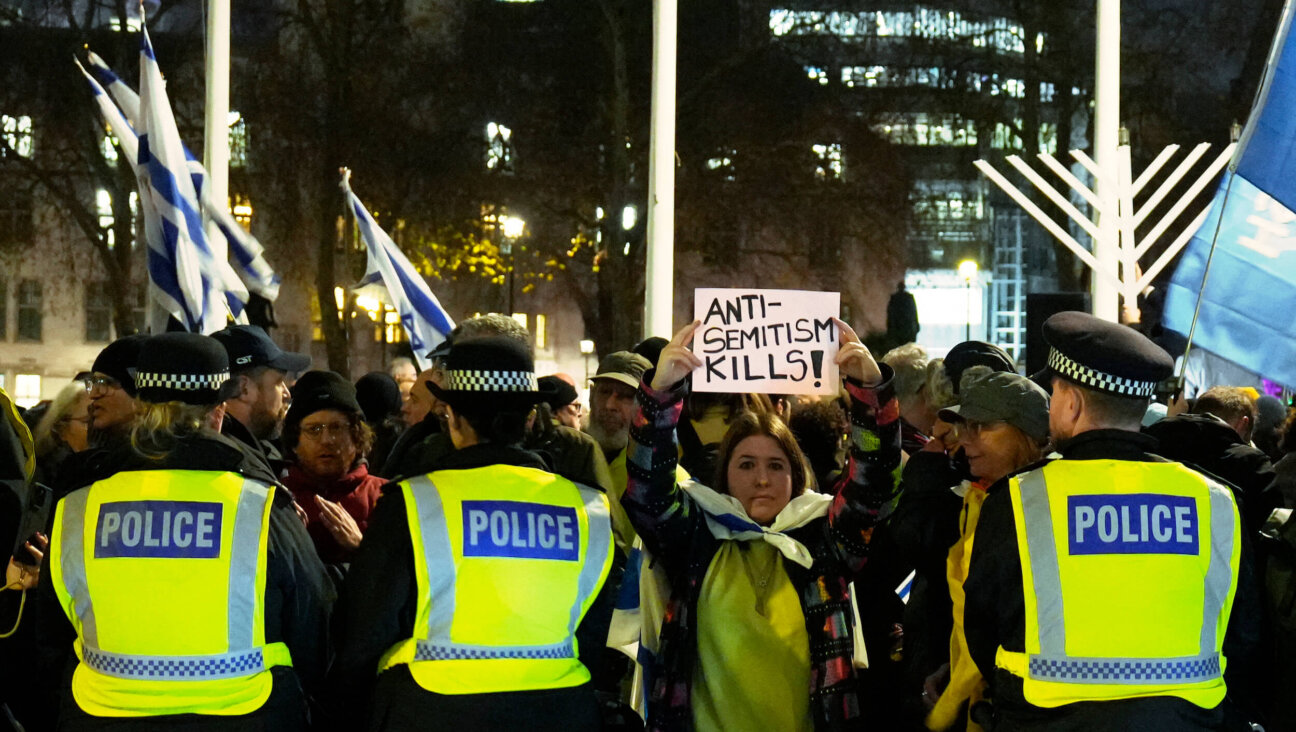
On Sunday, more than 10,000 Hungarians protested against the far-right with leaders from governing and opposition parties denouncing Gyongyosi’s call, which they said echoed the Nazi era. The rally united the country’s deeply divided political scene in an unprecedented way.
Jobbik dismissed the protest as “political alarmism” and Gabor Vona, its leader, told parliament on Monday that Gyongyosi had only been suggesting examining “the citizenship of MPs and government members”.
The matter should have been closed after Gyongyosi’s apology, he argued.
“But there were those professionally frightful, those policy-bereft hysterics who thought otherwise and put on the old record crying anti-Semitism,” he said.
“In between two bouts of hysteria you should not forget that this country had been destroyed by Fidesz and the Socialist party, and not Jobbik. And its Jobbik’s task to rebuild it.”
Orban’s conservative Fidesz party swept to power with a two-thirds parliamentary majority in 2010, ousting the Socialists.
Jobbik became the third-biggest party in parliament after a campaign which vilified the Roma minority and attracted voters frustrated by a deepening economic crisis.
The party has since retained support in the recession-hit central European country and some analysts believe it may hold the balance of power between Fidesz and the left-wing opposition in the next elections in 2014.
It’s our birthday and we’re still celebrating!
We hope you appreciated this article. Before you go, we’d like to ask you to please support the Forward’s independent Jewish news.
This week we celebrate 129 years of the Forward. We’re proud of our origins as a Yiddish print publication serving Jewish immigrants. And we’re just as proud of what we’ve become today: A trusted source of Jewish news and opinion, available digitally to anyone in the world without paywalls or subscriptions.
We’ve helped five generations of American Jews make sense of the news and the world around them — and we aren’t slowing down any time soon.
As a nonprofit newsroom, reader donations make it possible for us to do this work. Support independent, agenda-free Jewish journalism and our board will match your gift in honor of our birthday!
Support our mission to tell the Jewish story fully and fairly.