How Smart Phones Fuel Israel Spiral of Violence

Image by Getty Image
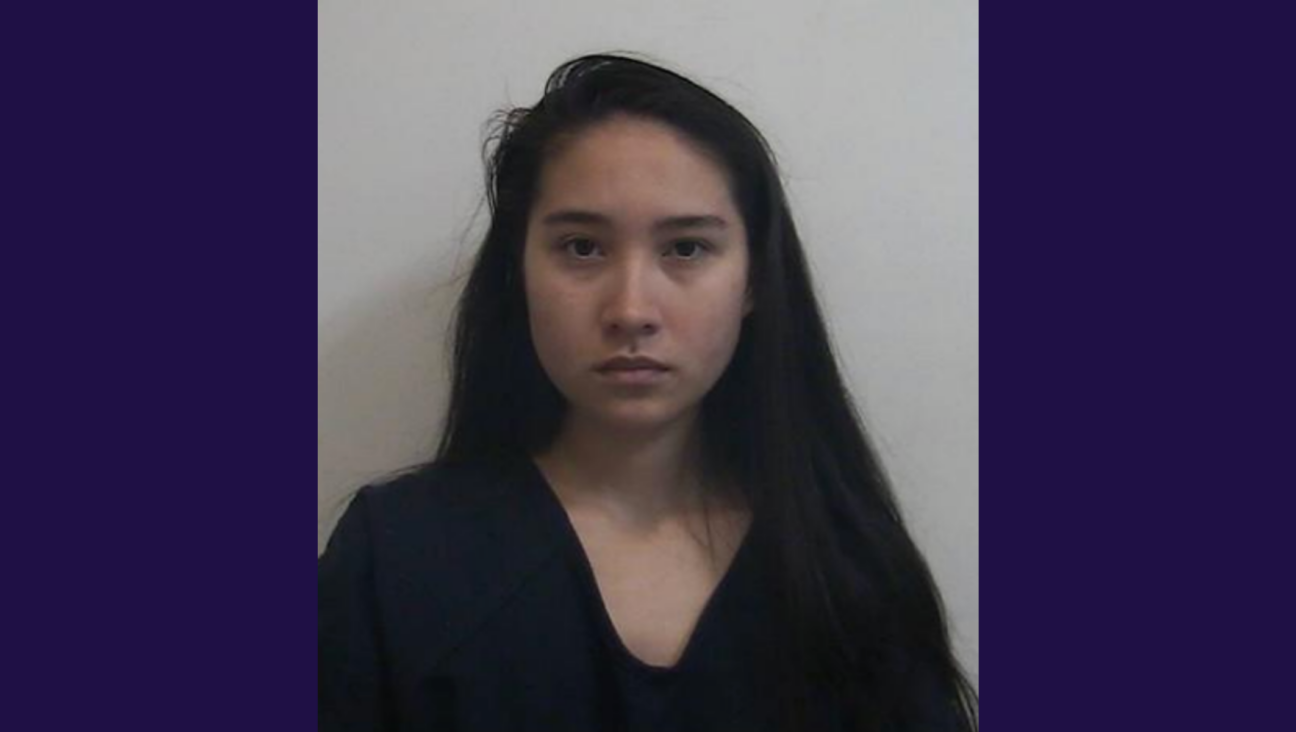
Surrounded by Israeli police, Israa Abed holds a knife in one hand and a cellphone in the other before shots ring out and she falls to the ground.
The incident, filmed by passersby on their smartphones, has been viewed thousands of times since it was posted online last Friday, one of dozens of such videos encapsulating a new dynamic in what looks like a third Palestinian uprising, or intifada.
Four Israelis and 25 Palestinians have died in 12 days of bloodshed partly fueled by Muslim agitation over high-profile Jewish visits to a contested holy site in Jerusalem.
Video clips exhorting attacks on Israelis – and often spiced up with animation, catchy tunes and the Twitter hashtags “Jerusalem Intifada” or “Intifada of the Knives” – are popular on Palestinian social media, as is whatever footage emerges of the violence when it happens.
That, in turn, can inflame resentment further, especially if Palestinians see in Israel’s response a demonstration of Prime Minister Benjamin Netanyahu’s vow to crack down on unrest that has simmered since peace talks collapsed a year ago.
“Today we’re in a different era, in which a great, great many people are incited by publications on their personal smartphones and end up making individual decisions to go out and stab, to go out and blow themselves up with gas balloons,” Security Minister Gilad Erdan told Israeli Army Radio on Monday.
Police said Abed, an Arab Israeli, was being treated in hospital having been shot four times in the legs after she tried to stab a security guard at a bus station in the northern Israeli town of Afula, and ignored orders to disarm.
Many Israelis saw the police action depicted in the video as appropriate.
Some Palestinians circulated rumors she was dead rather than in hospital. According to a report by the news website Al Wattan Voice which was shared 3,500 times over Facebook, Abed, 30, was making a distress call when she was shot. “Dad, I don’t want to die!” it quoted her as saying – suggesting she might have surrendered.
Individual words are drowned by the hubbub of shouts on the video’s soundtrack. http://bit.ly/1OwKzJ4
Reached by Reuters, the woman’s father, Zeidan Abed, said he received no call from her, declining to discuss the incident any further.
ONLINE SURVEILLANCE
Another video, showing police shooting dead a Palestinian suspected in an Oct 4 stabbing in Jerusalem, has been cited by the minority rights group Adalah in its demand for a Justice Ministry probe. http://bit.ly/1VO4C6k
It argues the Palestinian posed no danger and police may have been egged on by pedestrians seen chasing him.
There was a similar outcry after a Palestinian woman was accused by Israel of attempting to detonate a makeshift car bomb – potentially a major escalation – when police pulled her over on a West Bank road into Jerusalem on Sunday.
Unconscious in hospital with burns, the woman could not immediately be interrogated, police said. Her family denied the Israeli account, saying a malfunction had set off a fire in the car. Images showing minimal external damage to the vehicle circulated among Palestinians, who said it showed Israel was exaggerating the threat. http://bit.ly/1jkigCE
Having long relied on its advanced eavesdropping apparatus and Palestinian informants to thwart militant organizations, Israel is scrambling for a response to the latest violence, which has been made up predominantly of “lone-wolf” attacks.
Palestinian activists and the Hamas militant group complain of having Facebook and YouTube accounts being shut down as a result of requests filed with the firms by Israel’s government.
Israeli security sources said they were working to expand keyword-search and other surveillance technologies in hope of being able to spot, in good time, suicide notes on social media by Palestinians who are about to carry out violence.
Their surveillance efforts may have been helped, inadvertently, by those Palestinians who take selfies at rock-throwing protests and post them online.—Reuters
It’s our birthday and we’re still celebrating!
We hope you appreciated this article. Before you go, we’d like to ask you to please support the Forward’s independent Jewish news.
This week we celebrate 129 years of the Forward. We’re proud of our origins as a Yiddish print publication serving Jewish immigrants. And we’re just as proud of what we’ve become today: A trusted source of Jewish news and opinion, available digitally to anyone in the world without paywalls or subscriptions.
We’ve helped five generations of American Jews make sense of the news and the world around them — and we aren’t slowing down any time soon.
As a nonprofit newsroom, reader donations make it possible for us to do this work. Support independent, agenda-free Jewish journalism and our board will match your gift in honor of our birthday!
Support our mission to tell the Jewish story fully and fairly.