Israel Launches First Ever Cell Phone Video Distress Call Service

Image by Getty Images
TEL AVIV – Israelis can now use their smartphones to make live video distress calls to emergency responders, a first-of-its-kind service that, if successful, could set a new standard for countries around the world.
Video chats, texting and location detection may be humdrum features for today’s smartphone user, but they remain a puzzle to most emergency calling systems, which are outdated and only take voice calls.
This gap in technology, which developed countries are racing to close, leads to slower response times, miscommunications and many wasted resources, often to the detriment of people calling for help.
Israel on Wednesday became the first country to launch a nationwide platform in which emergency operators can see live video, chat via text messages and determine pinpoint location outdoors and indoors.
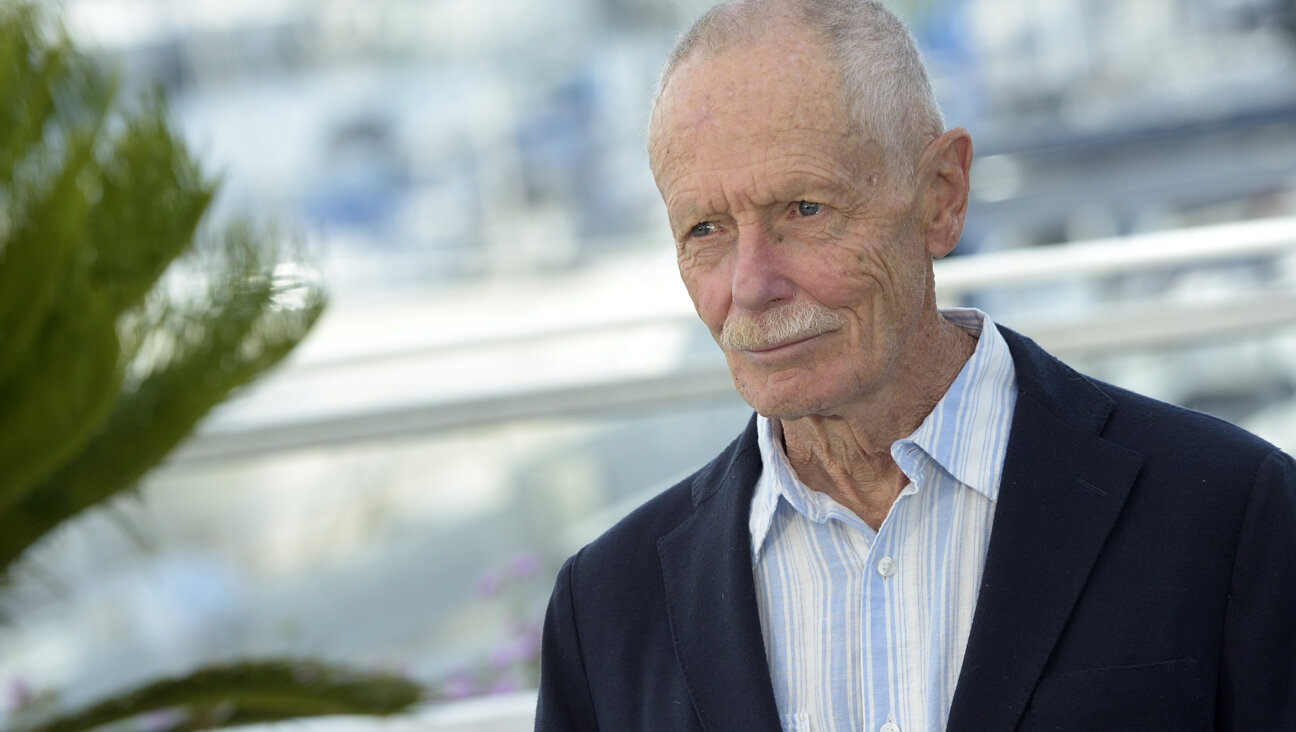
The system, downloaded as a phone app, was developed by a high-profile start-up called Reporty, whose chairman is former prime minister Ehud Barak. If successful, it could attract police, fire and ambulance services from around the world.
“This solution did not exist beforehand,” said Eli Bean, director of Israel’s Magen David Adom ambulance service. “It will allow us to get the information we need real time, and certainly reduce response time and improve the care we provide.”
This could be for a simple emergency, like a sick family member, or a mass casualty incident, he said, referring to a Palestinian attack last week in Tel Aviv in which about a dozen people were stabbed at multiple spots along a boardwalk.
Had they been able to receive videos and, perhaps more importantly, the ability determine location of callers, he said, “no doubt we would have handled it differently.”
In the United States, where about 240 million 911 emergency calls are made each year, the location of the closest cell tower may provide a general indication of the caller’s location, but that is not always specific enough to guide rescuers.
Reporty’s system quickly shows emergency operators an outside caller’s exact location, said chief executive Amir Elichai.
For calls made inside a building, he said an algorithm uses nearby radio frequencies, like Wifi signals, to determine the caller’s position, and its crowdsourcing technology makes it more exact as more people sign on. — Reuters

Did you know that only 2% of Forward readers donate to support our nonprofit newsroom? That 2% make it possible for millions to read the Forward without a paywall or subscription — removing any barriers to the full and fair Jewish story.
But while the Forward is free to read, it isn’t free to produce. Big stories — like deep dives into the antisemitism data, political scoops or reporting trips to college campuses — take months of research and fact-checking. All while we keep you informed of what you need to know each day.
— Rachel Fishman Feddersen, Forward Publisher & CEO
Support our mission to tell the Jewish story fully and fairly.