Israel Detente With Turkey Could Bring Closer Ties to NATO
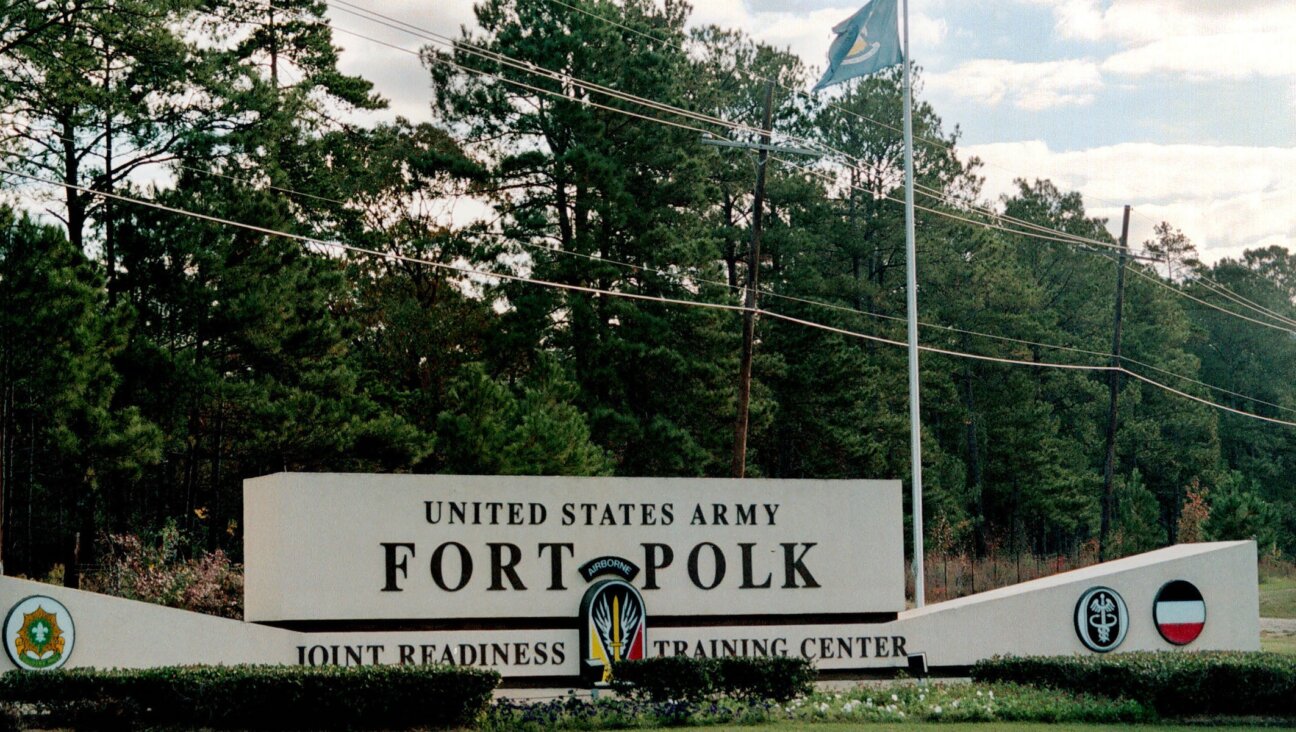
Israel’s efforts to reconcile with NATO member Turkey will help enhance Israeli intelligence sharing and other security cooperation with the alliance, a NATO diplomat said on Tuesday.
The once-strong Israeli-Turkish partnership was shattered by Israel’s killing of 10 pro-Palestinian Turkish activists who sailed against its Gaza blockade in 2010, and Ankara had chafed at Israeli contacts with NATO.
But with both countries now working to mend fences, Turkey last month acquiesced to Israel setting up representation at NATO’s Brussels headquarters.
Hosting envoys from NATO countries in Israel, including the Turkish charge d’affaires standing in for the ambassador who was withdrawn during the bilateral crisis, Prime Minister Benjamin Netanyahu offered to further close ranks with the alliance.
“Israel has much to contribute to NATO. I believe NATO has much to contribute to Israel. We’ve already begun that process, but I think we can extend and increase our cooperation,” Netanyahu said before the closed-door meeting in Jerusalem.
Israeli officials declined to elaborate on this, but one of the foreign diplomats who took part in the meeting, cited Israeli intelligence, as well as the country’s cyber security and battlefield medicine capabilities, as assets to NATO.
“There is a host of areas where we could start doing more (but) cooperation has been stifled. Turkey, to put in frankly, has blocked many (Israel-NATO) activities,” the diplomat told Reuters on condition of anonymity. “Now there seems to be a light at the end of the tunnel.”
Where Israel might have previously cooperated in such fields with NATO members on a bilateral basis – for example, by giving the United States intelligence findings on Islamic State volunteers in the region – its closer involvement with the alliance would streamline the process for all 28 members, the diplomat said.
“It means that it (Israeli input) is easier to share through the NATO command structure, if we have that framework,” said the diplomat, who cautioned, however, that this framework required Israel and Turkey finalize their reconciliation deal.
Both sides have said the deal could be imminent, though it remains unclear how they might reach terms on Turkey’s long-standing demand that Israel remove its naval blockade on Gaza.
Israel says the measure is required to prevent arms smuggling by Palestinian militants.
“There are creative solutions to be found, and I think that both sides have the political will to find a solution,” a Turkish official told Reuters, describing an agreement with Israel as “very close.”
Israel’s role in the NATO-sponsored Mediterranean Dialogue has allowed it to hold security contacts with several Arab countries with which it does not have formal bilateral relations – a boost to Netanyahu’s vision of outflanking arch-enemy Iran through regional cooperation.
“In the Middle East, terrorist groups spread chaos and violence, posing a threat to our security and our way of life,” Danish Ambassador to Israel Jesper Vahr, the point-man for NATO envoys in Israel, said in public remarks.
It’s our birthday and we’re still celebrating!
We hope you appreciated this article. Before you go, we’d like to ask you to please support the Forward’s independent Jewish news.
This week we celebrate 129 years of the Forward. We’re proud of our origins as a Yiddish print publication serving Jewish immigrants. And we’re just as proud of what we’ve become today: A trusted source of Jewish news and opinion, available digitally to anyone in the world without paywalls or subscriptions.
We’ve helped five generations of American Jews make sense of the news and the world around them — and we aren’t slowing down any time soon.
As a nonprofit newsroom, reader donations make it possible for us to do this work. Support independent, agenda-free Jewish journalism and our board will match your gift in honor of our birthday!
Support our mission to tell the Jewish story fully and fairly.