Mosque ‘Anti-Noise’ Bill Moves Ahead In Israel Knesset

Graphic by Angelie Zaslavsky
JERUSALEM (JTA) — A bill that would limit the volume of the muezzin’s call to Muslim prayer passed its first reading in the Knesset.
The so-called muezzin bill passed its first reading in the full Knesset late Tuesday night by a vote of 55 to 48. The vote came after several hours of debate that included loud shouting and led to the removal from the chamber of Arab lawmaker Ayman Odeh.
The bill would limit the volume of the muezzin’s call to prayer and the loudspeakers of all religious institutions during the day and silence them at night.
“Your actions are a racist attack. You are interfering with the delicate soul of Muslims and harming the faith of Islam,” Odeh said during the discussion, before ripping a copy of the bill in half.
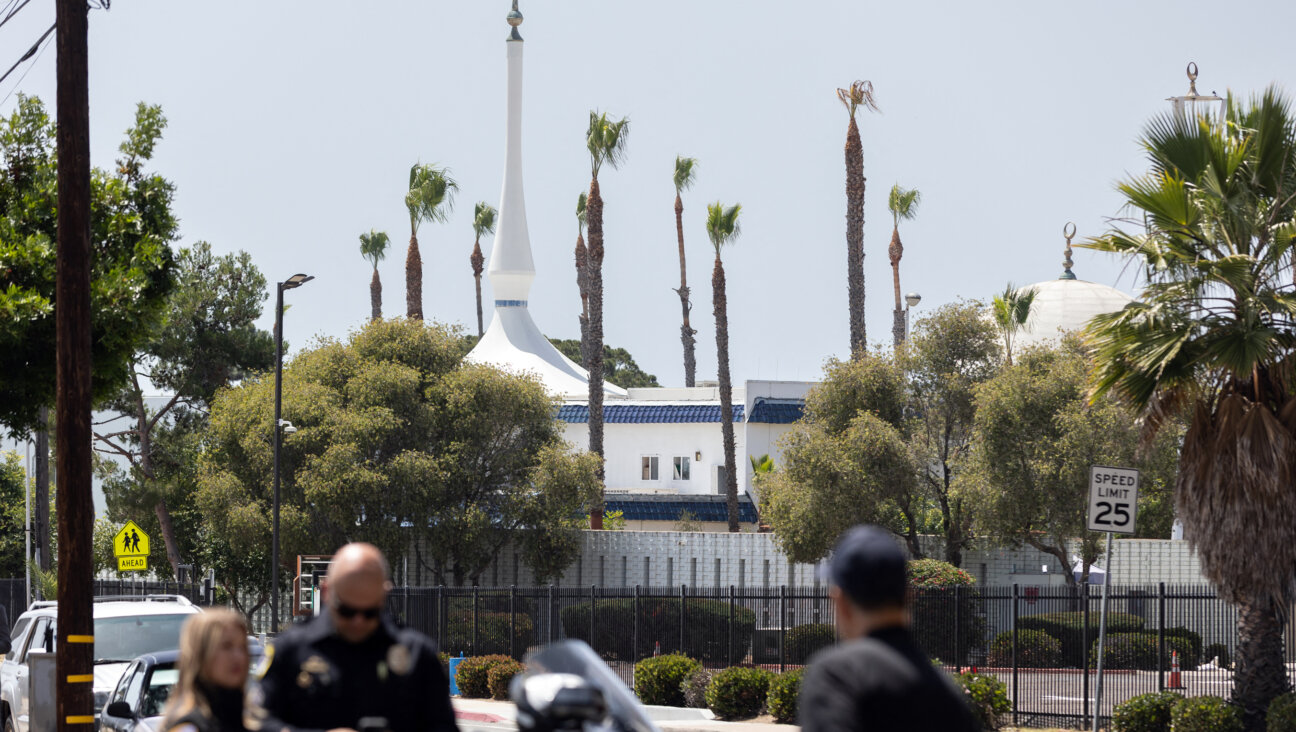
The call to prayer comes from a minaret of the mosque five times a day, including very early in the morning. In modern times, the mosques use loudspeakers to assist in making the call.
Haredi Orthodox lawmakers have opposed the bill, fearing it would also prevent the siren that sounds in many communities to herald the start of the Jewish Sabbath.
Why I became the Forward’s editor-in-chief

You are surely a friend of the Forward if you’re reading this. And so it’s with excitement and awe — of all that the Forward is, was, and will be — that I introduce myself to you as the Forward’s newest editor-in-chief.
And what a time to step into the leadership of this storied Jewish institution! For 129 years, the Forward has shaped and told the American Jewish story. I’m stepping in at an intense time for Jews the world over. We urgently need the Forward’s courageous, unflinching journalism — not only as a source of reliable information, but to provide inspiration, healing and hope.
 , editor-in-chief
Support our mission to tell the Jewish story fully and fairly.