FBI links man who shot Trump to antisemitic, anti-immigrant comments on social media
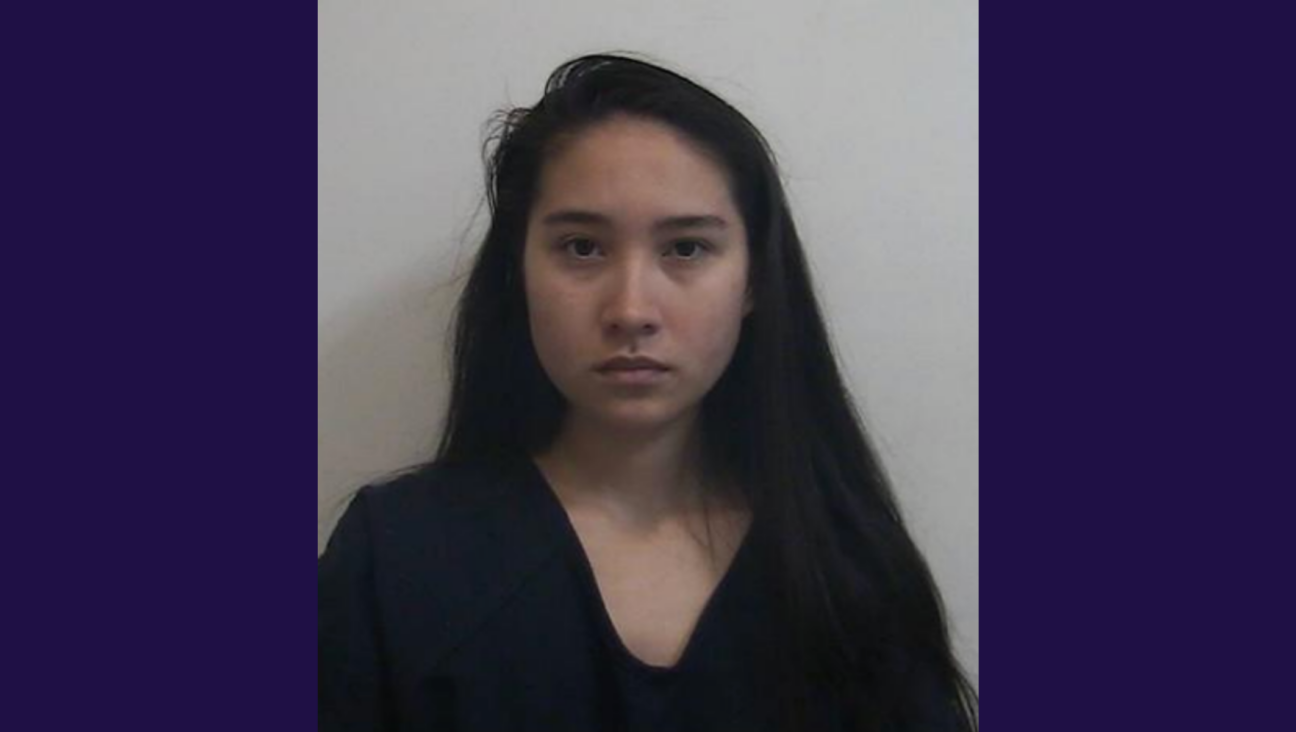
Law enforcement discovered a social media account believed to be associated with Thomas Crooks
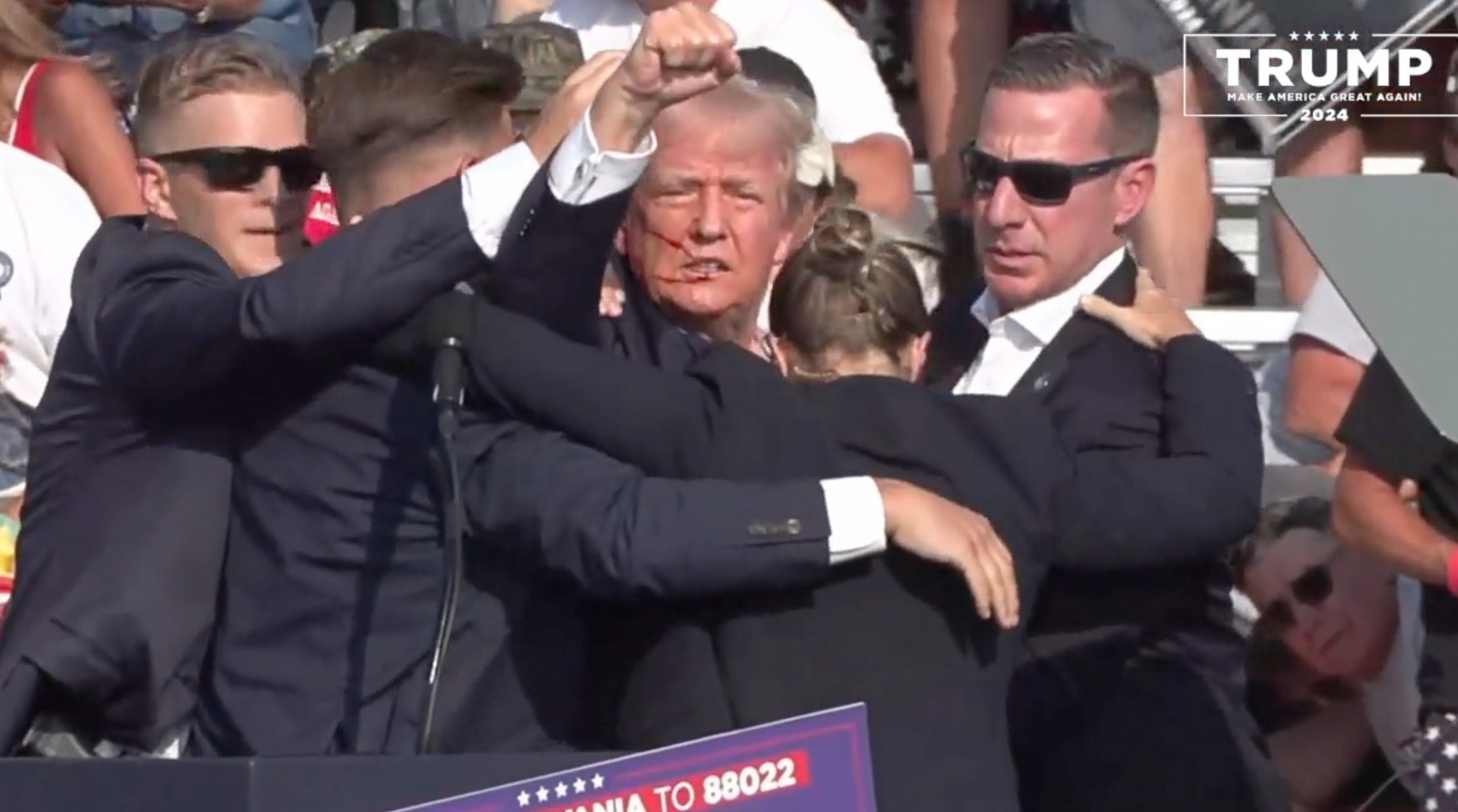
In a screen grab captured from a video, Republican presidential candidate and former President Donald Trump appears to be injured after gunshots were reported at a rally in Butler, Pennsylvania, July 13, 2024. (Anadolu/Getty Images)

By Lauren Markoe July 30, 2024
The FBI has discovered a social media account “believed to be associated” with the man who shot former President Donald Trump earlier this month that includes antisemitic and anti-immigrant comments.
“Something just very recently uncovered that I want to share is a social media account, which is believed to be associated with this with the shooter – in about the 2019, 2020 timeframe,” FBI Deputy Director Paul Abbate said at a hearing Tuesday of the Senate Judiciary and Homeland Security committees.
Abbate said the comments, which he described as “extreme,” also espoused political violence.
“No one should be surprised,” said Amy Spitalnick, CEO of the Jewish Council for Public Affairs and an expert on extremism-fueled violence.
Antisemitism and anti-immigrant hate are deeply intertwined. And research shows that belief in such conspiracy theories is inextricably linked to willingness to support or engage in political violence.”
The hearing was the fourth on Capitol Hill since Thomas Crooks, 20, shot the Republican presidential nominee at a July 13 campaign rally in Butler, Pennsylvania. Since then law enforcement has struggled to establish a motive for the shooting.
Crooks was shot and killed by a Secret Service sniper shortly after he shot at Trump, who was nicked in the ear. A rallygoer, a retired fire chief, was killed and two other people were wounded in the incident.
The gunman who killed 11 at the Tree of Life synagogue in Pittsburgh in 2018, who has been sentenced to death, left a trail of antisemitic and anti-immigrant writings online.
It’s our birthday and we’re still celebrating!
We hope you appreciated this article. Before you go, we’d like to ask you to please support the Forward’s independent Jewish news.
This week we celebrate 129 years of the Forward. We’re proud of our origins as a Yiddish print publication serving Jewish immigrants. And we’re just as proud of what we’ve become today: A trusted source of Jewish news and opinion, available digitally to anyone in the world without paywalls or subscriptions.
We’ve helped five generations of American Jews make sense of the news and the world around them — and we aren’t slowing down any time soon.
As a nonprofit newsroom, reader donations make it possible for us to do this work. Support independent, agenda-free Jewish journalism and our board will match your gift in honor of our birthday!
Support our mission to tell the Jewish story fully and fairly.