Fatalities from antisemitic attacks in 2025 reach highest toll in 30 years, Israeli analysis finds
Tel Aviv University scrutinizes global antisemitism every year to mark Yom HaShoah, the Jewish Holocaust memorial day
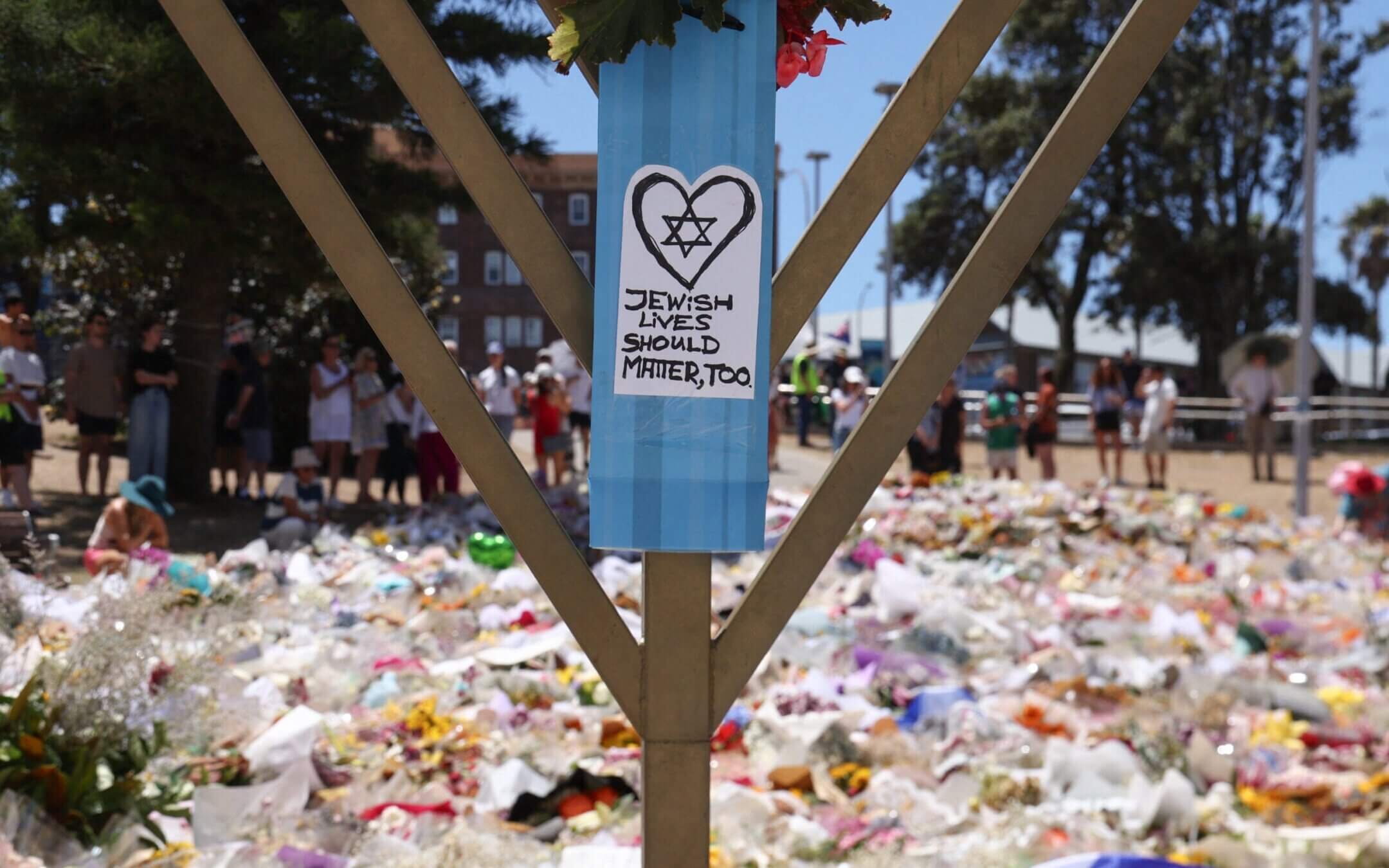
A sign reading “Jewish Lives Should Matter, Too” is seen at the floral tributes area outside Bondi Pavilion in Sydney on December 18, 2025, to honour victims of the Bondi Beach shooting. The attack at Bondi Beach on December 14 was one of the deadliest in Australian history. (Photo by DAVID GRAY / AFP via Getty Images)
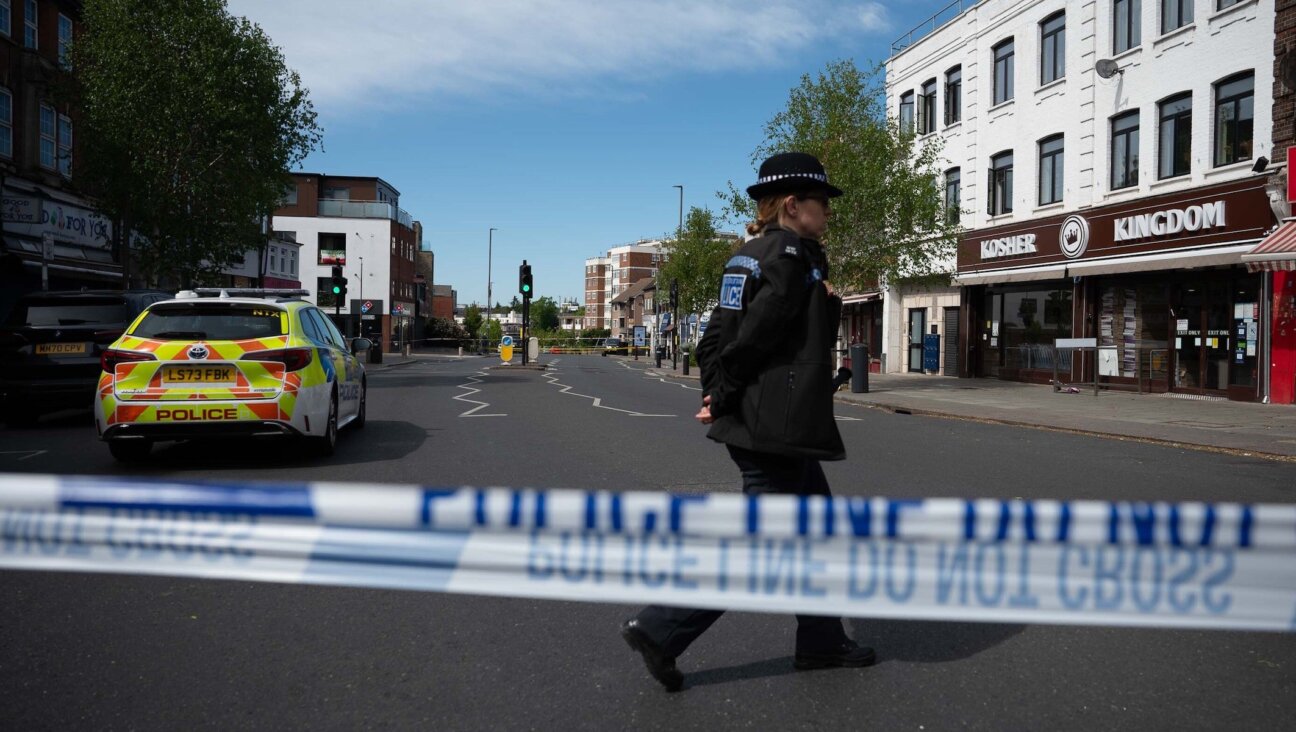
(JTA) — The number of fatalities from antisemitic attacks reached their highest level in 2025 in over three decades, with 20 people killed in four attacks over three continents, according to a new analysis from Tel Aviv University.
The fatal attacks included those in Sydney; Washington, D.C.; Boulder, Colorado; and Manchester, England. They marked the highest number of deadly attacks since the 1994 bombing of the AMIA Jewish community center in Buenos Aires, which killed 85 people.
The study compiled reports from police, governments and local Jewish communities and found that vandalism and verbal harassment fell in many countries — but violent attacks against Jews, including beatings and stone-throwing, increased in some places.
Overall, the total number of antisemitic incidents increased from 1,727 in 2024 to 1,750 in 2025, compared to 1,200 incidents in 2023 and 472 in 2022.
“The data raise concern that a high level of antisemitic incidents is becoming a normalized reality,” Uriya Shavit, the study’s editor-in-chief, said in a statement. “The peak in the number of incidents was recorded in the immediate aftermath of the October 7 attack, after which we began to see a downward trend — but unfortunately, that trend did not continue in 2025.”
Tel Aviv University releases the analysis every year in conjunction with Yom HaShoah, the Jewish Holocaust memorial day.
The report also included a separate study profiling those indicted for antisemitic offenses from 2020 to 2025, finding that many attacks are perpetrated by “lone wolves” and are therefore hard to prevent.
“Offenders align with two main ideological orientations,” the study’s authors wrote. “They are predominantly Christian white supremacists or Muslims who apply antisemitism as a response to grievances about Middle Eastern political developments.”
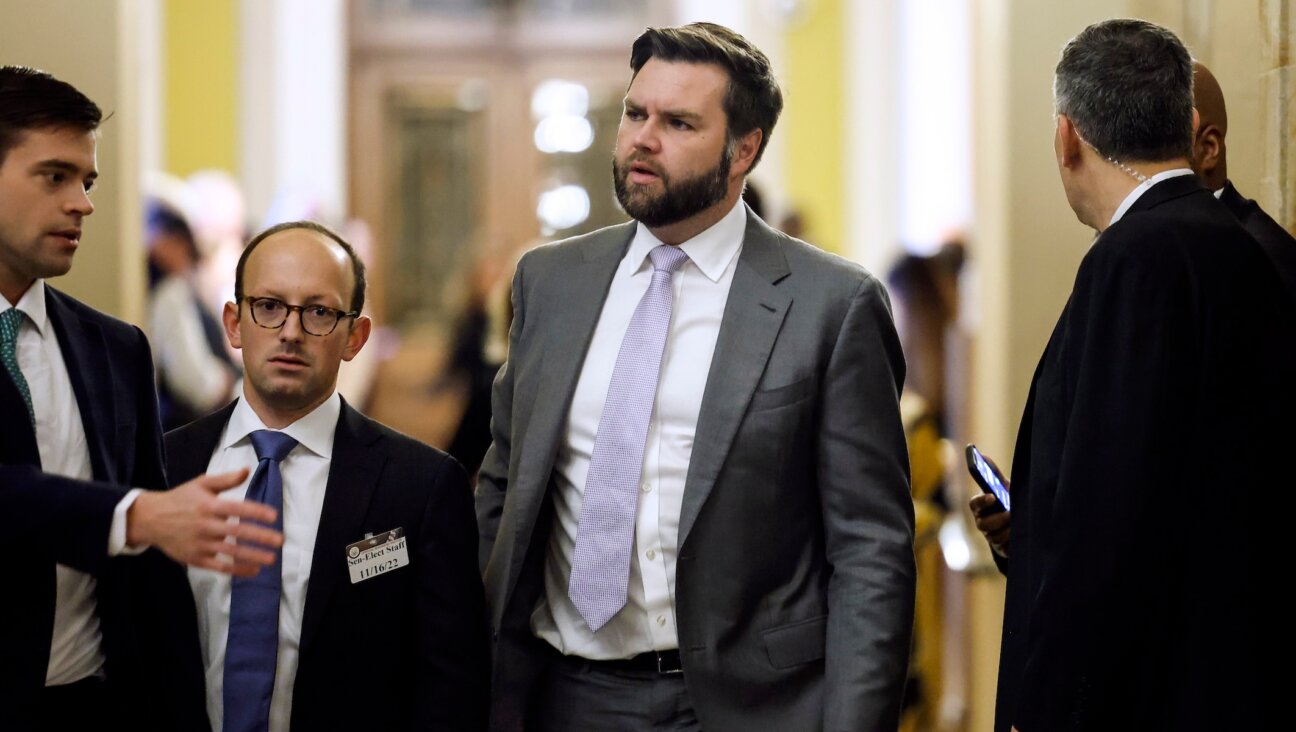
The study’s authors wrote that the “most worrying phenomenon” of the past year had been the “normalization of antisemitic rhetoric in American political discourse,” writing that President Donald Trump had “tolerated, as no contemporary president has, deep-seated, loathsome antisemites within his camp, and continues to do so for cynical political reasons.”
The presence of antisemitic rhetoric within Trump’s Republican Party has been a source of tension within the party for months. Trump has indicated displeasure with those promoting the rhetoric, particular as a chief purveyor, the media personality Tucker Carlson, opposed Trump’s decision to go to war against Iran. But his vice president, JD Vance, has declined to draw a line against the rise of antisemitic figures in the party.
“The result is a new culture of everything-goes that is undermining the sense that Jews have had for decades that their future in America is secure,” the study’s authors wrote.
The report also criticized the Israeli government’s response to the rise in global antisemitism, writing that the Ministry for Diaspora Affairs and Combating Antisemitism has “not contributed in any meaningful way to the cause, and in some cases has been an embarrassment.” The ministry has drawn criticism for allying with far-right figures around the world.
“Israeli politicians and media have, particularly in recent months, continuously expanded the scope of what qualifies as antisemitism, at times in absurd or hasty ways,” the study’s foreword read. “In doing so, they do not win arguments or silence critics, as they perhaps believe; rather, they discredit a crucial fight by politicizing it and emptying it of analytic meaning.”
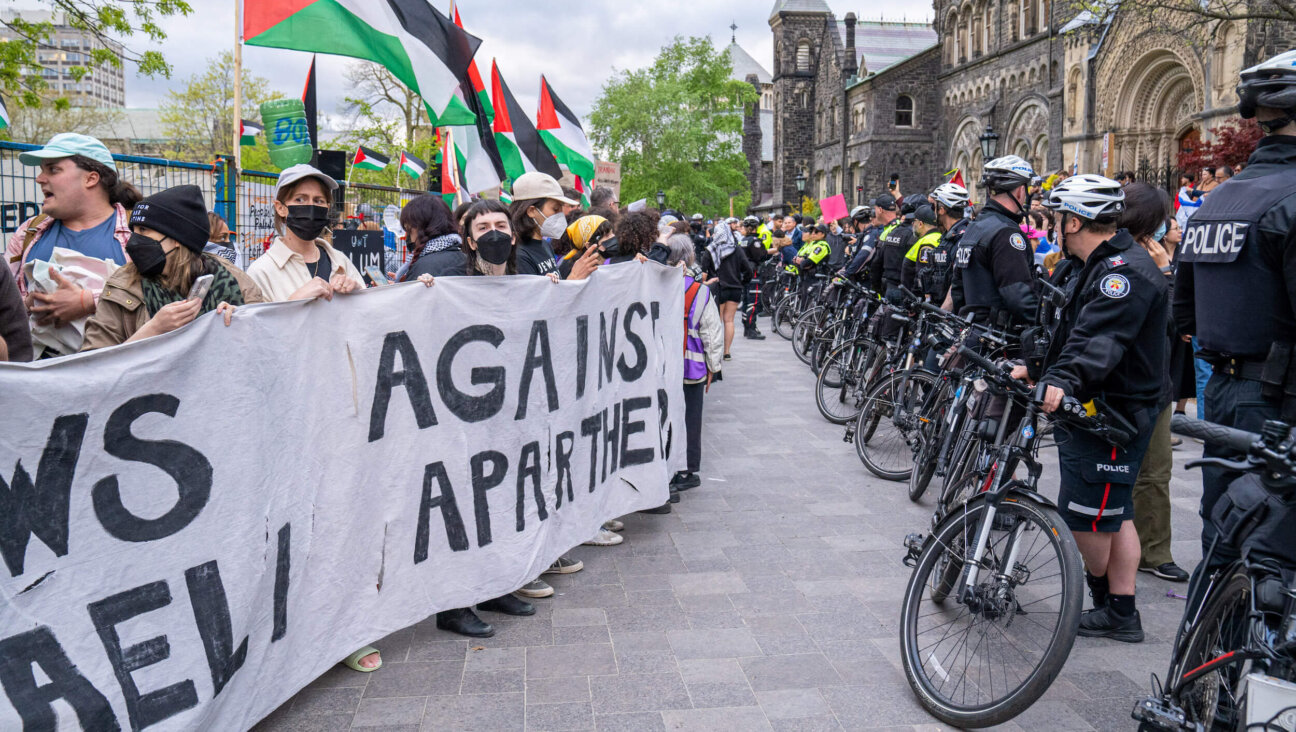
The study found that Canada, the United Kingdom, Belgium, Italy and Australia all posted notable increases in reported antisemitic incidents in 2025, compared to the previous year. But the number of antisemitic incidents fell in the United States and France, even as both countries saw notable physical attacks on Jewish targets.

Hello, fellow Forward reader! I’m Joel Brown, a Forward reader and supporter for more than 15 years, and currently the chair of the board of directors.
I’m an avid Forward reader because it ticks so many of my essential boxes: excellent journalism, Jewish focus and diverse viewpoints. In today’s political climate, what I most appreciate is the Forward’s independence — made possible by the generosity of its membership.
The Forward is committed to bringing you unbiased, nuanced Jewish news. From my position as board chair, I see an exciting future as we expand our position as the definitive independent voice of contemporary American Judaism.
That’s why I’m paying it Forward, by matching $36,000 of reader gifts. It’s an investment in the Forward’s newsroom, to continue telling the American Jewish story with truth and independence.
— Joel Brown, Forward board chair
Support our mission to tell the Jewish story fully and fairly.