Israel agrees to 10-day halt in fighting in Lebanon, after Trump announces ceasefire
The ceasefire comes as Trump aims to preserve his talks with Iran, whose proxy Hezbollah is based in Lebanon
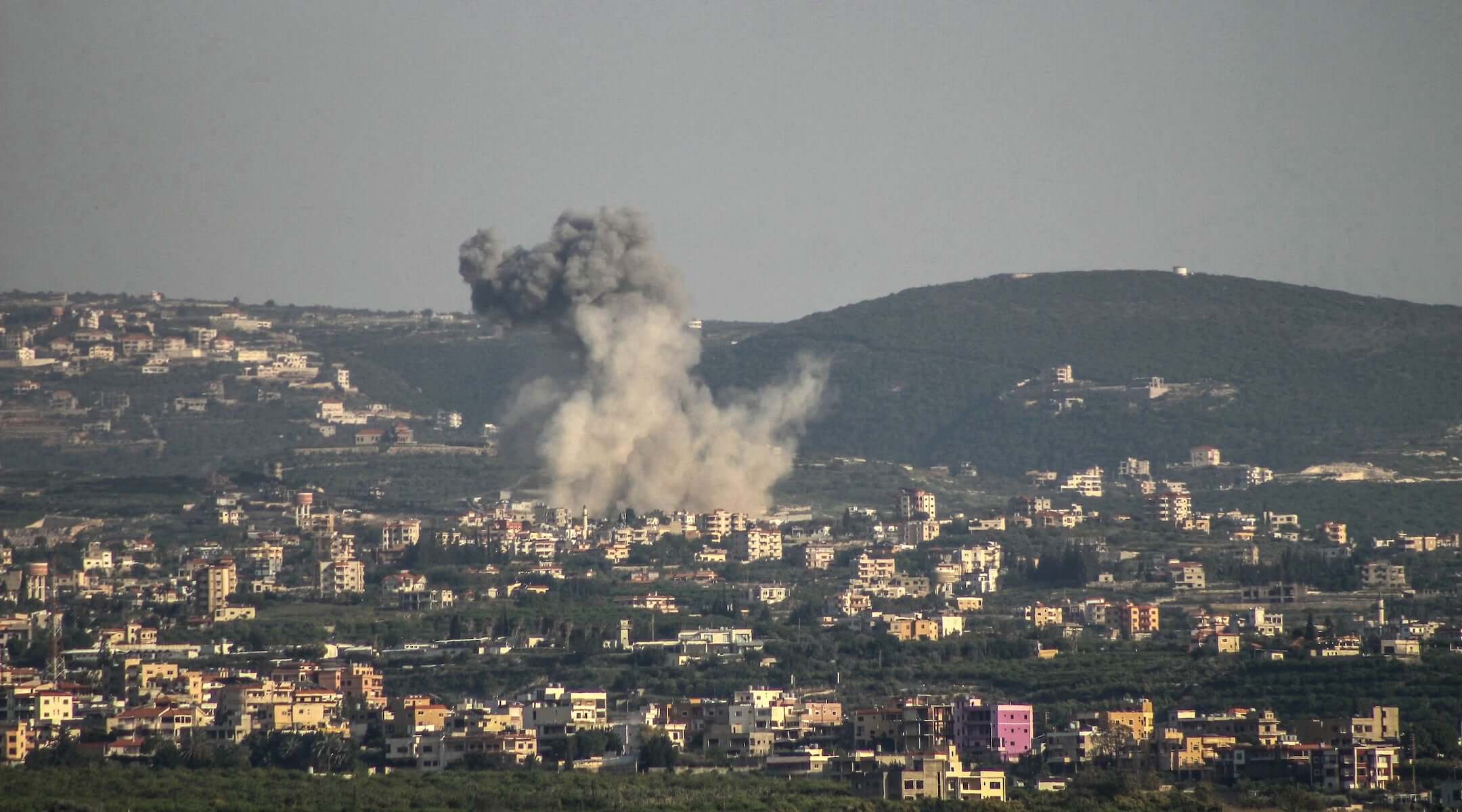
A photograph taken from the southern Lebanese area of Tyre shows smoke as it rises from the site of Israeli airstrikes that targeted villages on southern Lebanon on April 16, 2026. (Kawnat HAJU / AFP)
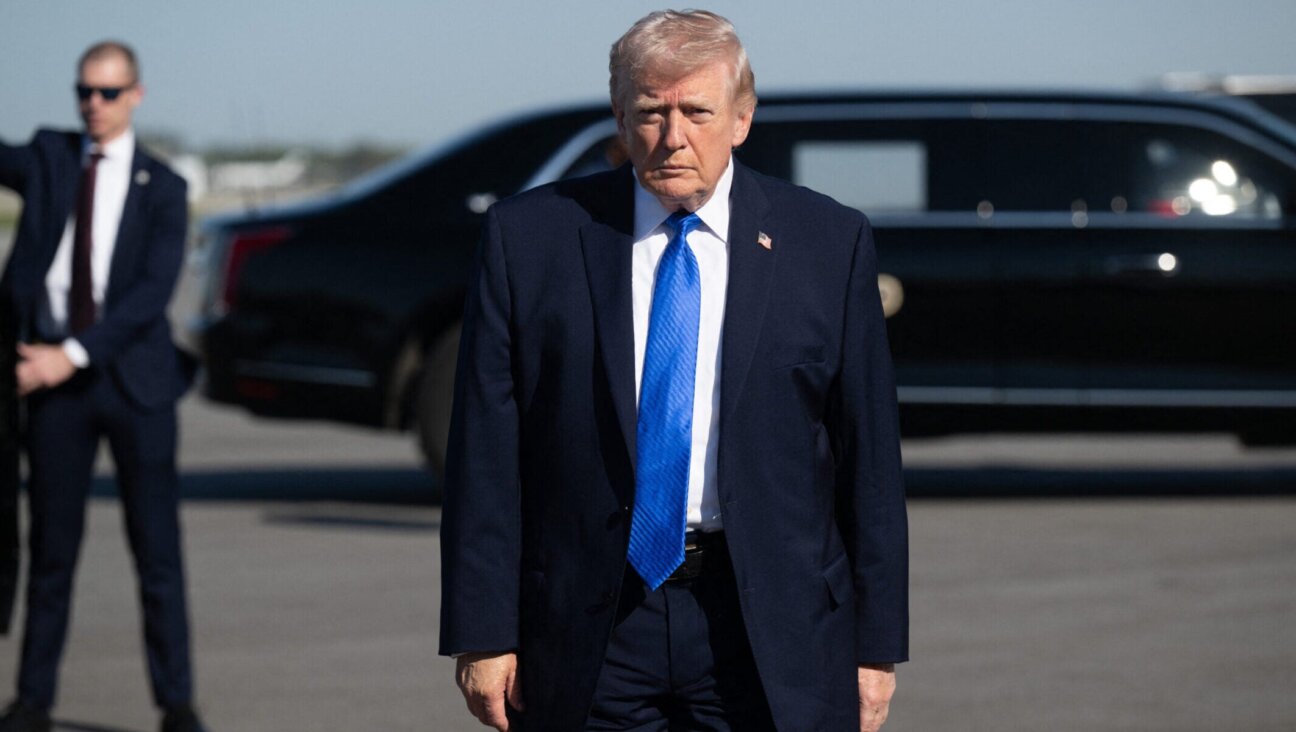
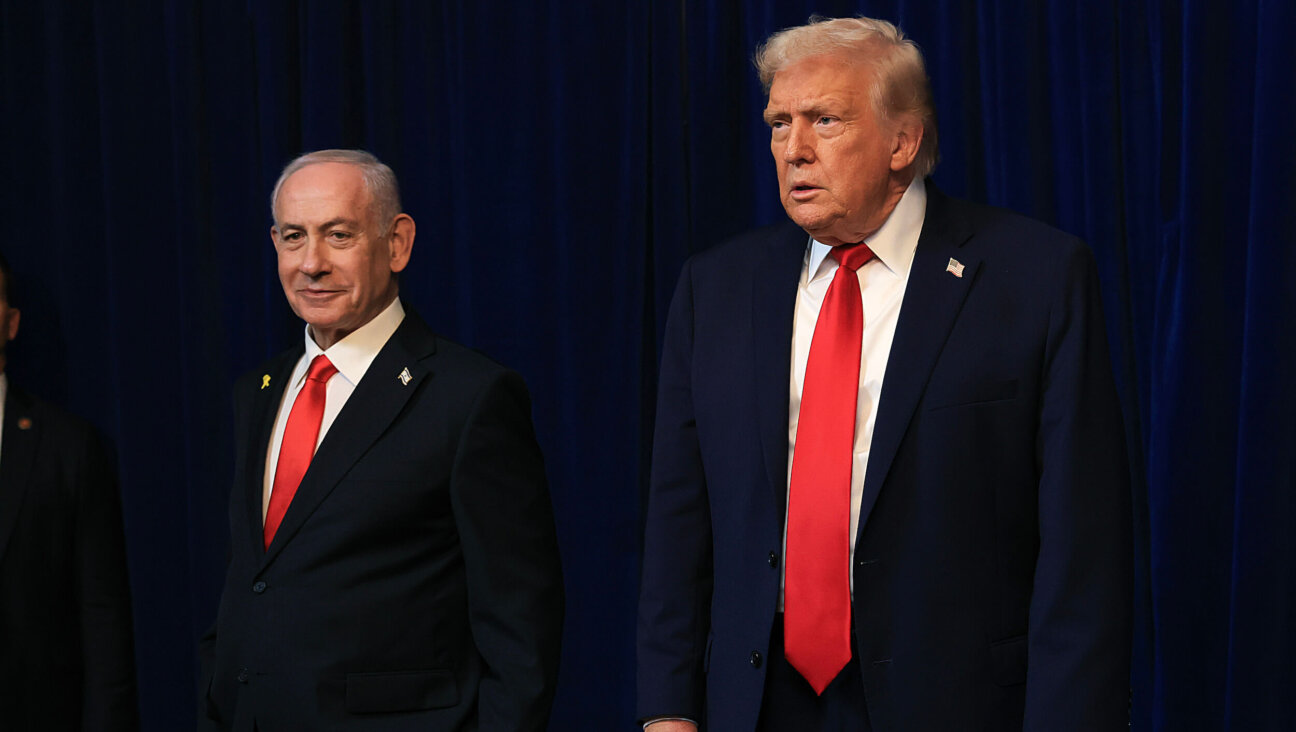
(JTA) — President Donald Trump announced on Thursday that Israel and Lebanon had agreed to a 10-day ceasefire, amid separate U.S. efforts to sustain the fragile ceasefire with Iran.
“I just had excellent conversations with the Highly Respected President Joseph Aoun, of Lebanon, and Prime Minister Bibi Netanyahu, of Israel,” Trump wrote in a Thursday post on Truth Social. “These two Leaders have agreed that in order to achieve PEACE between their Countries, they will formally begin a 10 Day CEASEFIRE at 5 P.M. EST.”
Trump added in a separate post that he was inviting both Aoun and Netanyahu to the White House for “the first meaningful talks between Israel and Lebanon since 1983, a very long time ago.”
He wrote: “Both sides want to see PEACE, and I believe that will happen, quickly!”
The announcement comes over a week into a separate ceasefire between the United States and Iran, which Israel joined but said would not apply to its fighting in Lebanon, where Hezbollah, an Iran-backed proxy, is based.
The announcement reportedly came as a surprise to even some of Netanyahu’s closest deputies, arriving a day after he told the country that he had instructed the army to deepen its fighting against Hezbollah. He told members of his cabinet on Thursday that Trump had requested the pause, according to Israeli media.
“We have an opportunity to reach a historic peace agreement with Lebanon,” Netanyahu told Israelis in a video statement announcing the truce.
Lebanese Prime Minister Nawaf Salam welcomed the ceasefire in a post on X, writing, “As I congratulate all Lebanese on this achievement, I pray for the martyrs who fell, and affirm my solidarity with their families, with the wounded, and with the citizens who were forced to flee their cities and villages.”
Negotiating with Lebanon is complicated because it does not control Hezbollah, which began firing on Israel two days after Israel and the United States launched a war on Iran in February. Since then, Hezbollah has launched hundreds of rockets into Israel, causing widespread damage and prompting Israeli strikes across Lebanon as well as a ground operation in the country’s south.
A burst of rocket fire by Hezbollah shortly before the ceasefire’s scheduled start left at least one man in Israel seriously wounded.
A senior Hezbollah official told Reuters that Iran’s ambassador to Lebanon had informed the group about a ceasefire. He said Hezbollah would commit only if Israel halted all forms of hostilities.
Iranian negotiators have insisted that the fighting in Lebanon must be included in any longer-term agreement with the United States and Israel, but Israeli officials have maintained that its forces will remain in Lebanon during the ceasefire.
Netanyahu convened a meeting with the country’s security cabinet on Thursday after news of the ceasefire broke, telling ministers that he had accepted the deal at the request of Trump.
“When Israel’s greatest friend, President Trump, is acting alongside us in close coordination, Israel cooperates with him,” Netanyahu said, according to Ynet.
Did you know that only 2% of Forward readers donate to support our nonprofit newsroom? That 2% make it possible for millions to read the Forward without a paywall or subscription — removing any barriers to the full and fair Jewish story.
But while the Forward is free to read, it isn’t free to produce. Big stories — like deep dives into the antisemitism data, political scoops or reporting trips to college campuses — take months of research and fact-checking. All while we keep you informed of what you need to know each day.
— Rachel Fishman Feddersen, Forward Publisher & CEO
Support our mission to tell the Jewish story fully and fairly.