Russian Democracy: Frozen No Longer

Graphic by Angelie Zaslavsky
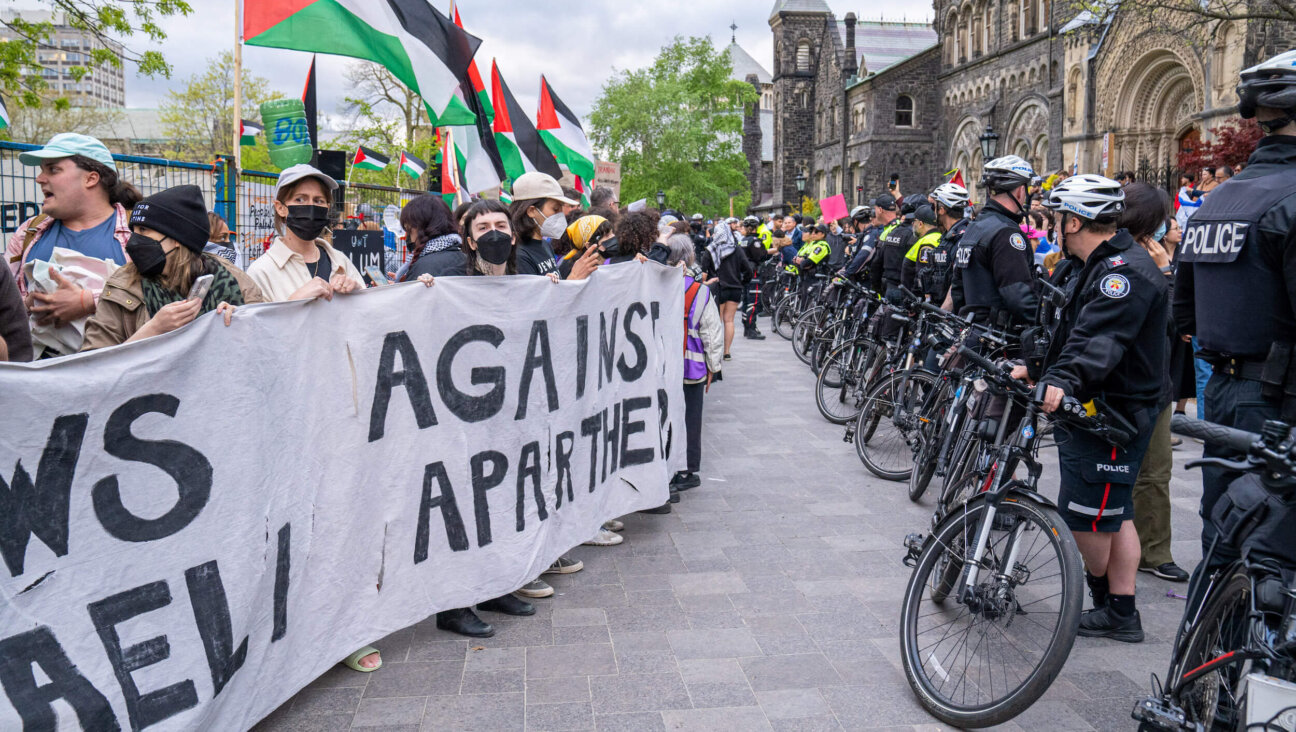
Harsh, relentless, and unforgiving, the Russian winter has played a major role in preventing the armies of Napoleon and Hitler from invading and conquering Russia. The Russian winter is a variable with a track record of changing the course of history. But perhaps change is the wrong word — rather than encourage change, this unbeatable environment has instead had the effect of hindering and stalling any external force. Recently however, even record freezing temperatures failed to stop protests from arising and spreading across Russia. Ordinary citizens took to the streets to reject the current system and demand true representation in their government.
Popular protests of this magnitude have not been seen in Russia since the fall of Communism in the early ’90s. But these more recent demonstrations have a different feel. Maybe the aura of change is a result of the recent Arab Spring with all its displays of bravery, unity, and innovation. Or perhaps it stems from the global Occupy movement. Or maybe there is something truly unique about what is occurring. However active and vocal they are, the protesters know that in the upcoming presidential election, current Prime Minister Vladimir Putin will undoubtedly win. But herein lies the beauty and power of this movement; as much as the protesters are fighting against Putin’s authoritarian rule, their actions have a deeper foundation in transforming the ideas, values, and norms of the Russian people.
Those making up the movement want to shape a new identity for themselves, one that champions free and fair elections, where the elected listen and respond to the needs of the people rather than to the wishes of the powerful few. But the adoption of these ideas must only represent the beginning of a longer struggle to fracture the deep cold that has frozen any previous struggle for reform. A true revolutionary change must endure the next six years of Putin’s rule, a rule that will without a doubt go against everything these protests are fighting for.
The remarkable aspect of these demonstrations cannot be emphasized enough; this is all orchestrated with the knowledge of Putin’s soon-to-be victory. But Putin’s reign should not be feared. If there is one thing the protesters have on their side — that Putin does not — is time. Time will rid Russia of his despotic rule. Time will be the catalyst that allows new ideas to flourish. And most important, time will allow these protests and demonstrations to mold a new national identity.
Ryan Yuffe, 18, was born and raised in Brooklyn, N.Y. He is a freshman studying at Brandeis University.

Hello, fellow Forward reader! I’m Joel Brown, a Forward reader and supporter for more than 15 years, and currently the chair of the board of directors.
I’m an avid Forward reader because it ticks so many of my essential boxes: excellent journalism, Jewish focus and diverse viewpoints. In today’s political climate, what I most appreciate is the Forward’s independence — made possible by the generosity of its membership.
The Forward is committed to bringing you unbiased, nuanced Jewish news. From my position as board chair, I see an exciting future as we expand our position as the definitive independent voice of contemporary American Judaism.
That’s why I’m paying it Forward, by matching $36,000 of reader gifts. It’s an investment in the Forward’s newsroom, to continue telling the American Jewish story with truth and independence.
— Joel Brown, Forward board chair
Support our mission to tell the Jewish story fully and fairly.